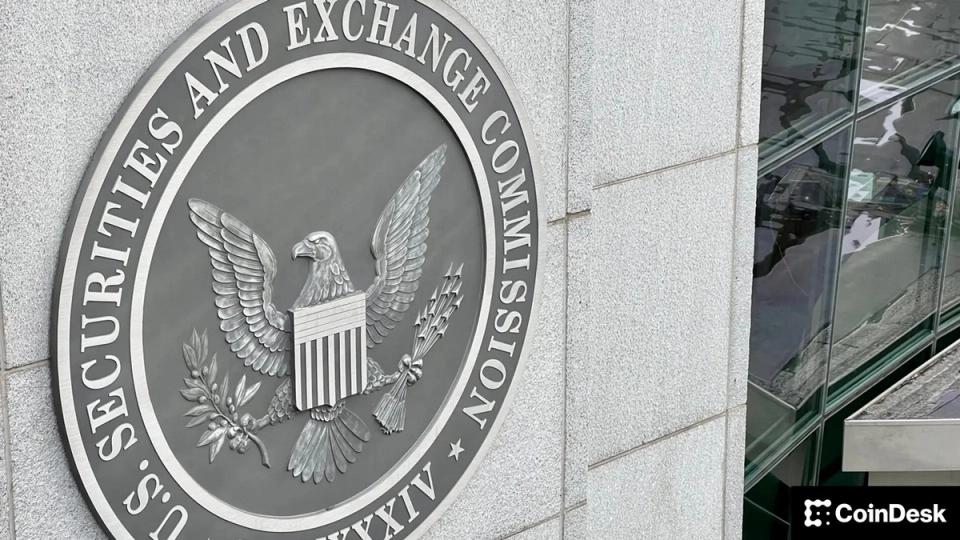
The SEC proposed its largest overhaul of IPO and public-company rules in more than 20 years, aiming to cut compliance costs and make it easier for firms to raise capital after listing. Key changes include immediate shelf-registration access for newly public companies, removal of the $75 million float requirement, and raising the large accelerated filer threshold to $2 billion in public float. The proposal could especially benefit crypto firms and other mid-sized issuers, and is open for a 60-day public comment period.
This is less about a single policy tweak than a structural reduction in the cost of being public, which should re-rate the economics of small-to-mid cap growth financing. The biggest second-order winner is not the newly public issuer itself, but the ecosystem around repeat issuance: banks, trading desks, market makers, and sector-specialist research shops should see more deal flow and higher secondary-volume capture if companies can tap equity windows faster and with less bureaucratic friction. That matters most for businesses with volatile equity curves and lumpy cash needs, where the option value of being able to issue on strength is materially higher than for stable cash generators.
For crypto-native names, the change should compress the discount investors currently demand for “one-and-done” listings that can’t reliably fund growth after the IPO. If the market believes a fresh issuer can now recycle into follow-on equity sooner, it improves balance-sheet survivability and reduces the probability of forced dilutive capital raises in weak tapes. That should disproportionately help firms with institutional-product exposure and operational leverage, because those are the names where access to public-market capital can extend runway without having to slash growth spend.
The more interesting contrarian angle is that the proposal may partially neutralize a common bear argument on crypto equities: that public-listing momentum is inherently a late-cycle top signal. Easier capital access can actually lengthen the growth phase for listed crypto infrastructure firms by smoothing execution risk and lowering the cost of capital, but only if post-IPO trading holds up. If the broader market turns risk-off, the same shelf flexibility could amplify supply overhang and pressure valuations faster, so the policy is bullish on optionality, not necessarily on terminal multiple expansion.
Timing-wise, the immediate setup is a multi-month process rather than a day-one catalyst: comment period, final rule risk, and likely legal/implementation lag. The cleanest positioning is to own the names most likely to benefit from cheaper follow-on issuance and faster market access, while fading legacy exchange franchises that depend on scarcity of public capital and slower competitive response from new entrants.
AI-powered research, real-time alerts, and portfolio analytics for institutional investors.
Request DemoOverall Sentiment
moderately positive
Sentiment Score
0.45
Ticker Sentiment
