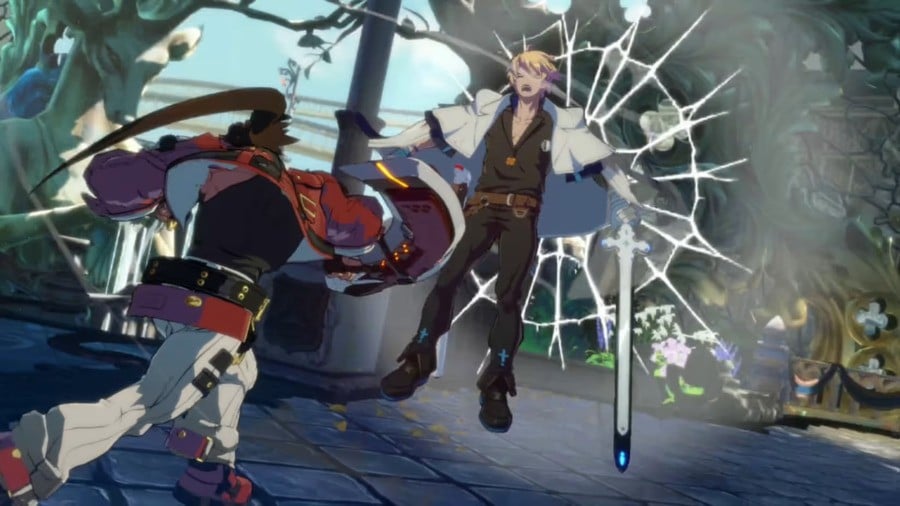
Arc System Works has rolled out the long-awaited Nintendo Switch update for Guilty Gear -Strive- and is now evaluating potential future updates beyond Version 2.0 for the Switch edition. The developer notes substantial engineering work due to Switch hardware constraints and says further patches will depend on technical feasibility, the team's capacity, and player feedback; this creates operational uncertainty but limited near-term financial implications. For investors, the announcement signals ongoing product support decisions that could modestly affect the title's lifecycle revenue and support costs, but is unlikely to materially move the company's financials or stock in the short term.
Market structure: The announcement primarily signals a development-side constraint rather than consumer demand destruction — winners are middleware/engine vendors (Unity U) and platform holders with higher hardware headroom (MSFT, SONY) that reduce porting friction; marginal losers are small studios and Switch-focused releases that could see 0.5–3% FY revenue hits if ports are delayed or downgraded. Competitive dynamics favor cross‑platform-first roadmaps and higher-value PC/console releases, shifting pricing power modestly toward larger publishers that can amortize optimization costs across bigger catalogs.
Risk assessment: Tail risks include a major Switch patch failure that dents franchise sentiment and reduces sales >20% for marquee fighting titles (low probability, high impact within 3 months), or a broader developer pullback from Switch over 1–3 years compressing small-cap Japanese publishers’ multiples by 10–25%. Hidden dependencies: engine license terms, middleware performance SLAs, and Nintendo’s internal tooling support — changes here are 30–90 day catalysts. Monitor player counts, Steam/console sales and Nintendo developer communications over the next 60 days.
Trade implications: Tactical tilt into tooling and hardware exposure: favor U, NVDA, MSFT, SONY for 1–12 month windows while trimming incremental exposure to Switch-dependent small-cap publishers. Use defined-risk option structures to capture upside in middleware/hardware names without concentrated equity exposure; avoid large directional exposure to NTDOY until developer support clarity arrives (30–90 days).
Contrarian angles: Consensus underestimates the resiliency of Switch long-tail sales — a worst-case technical outcome is binary but unlikely; conversely the market may over-rotate away from Nintendo on anecdotal developer pain, creating a buying opportunity if community support metrics remain intact. Historical parallel: mid‑cycle hardware constraints (e.g., Vita-era ports) led to re‑prioritization, not platform death; watch for signs of permanent dev exodus before committing to large shorts.
AI-powered research, real-time alerts, and portfolio analytics for institutional investors.
Request DemoOverall Sentiment
neutral
Sentiment Score
0.05
