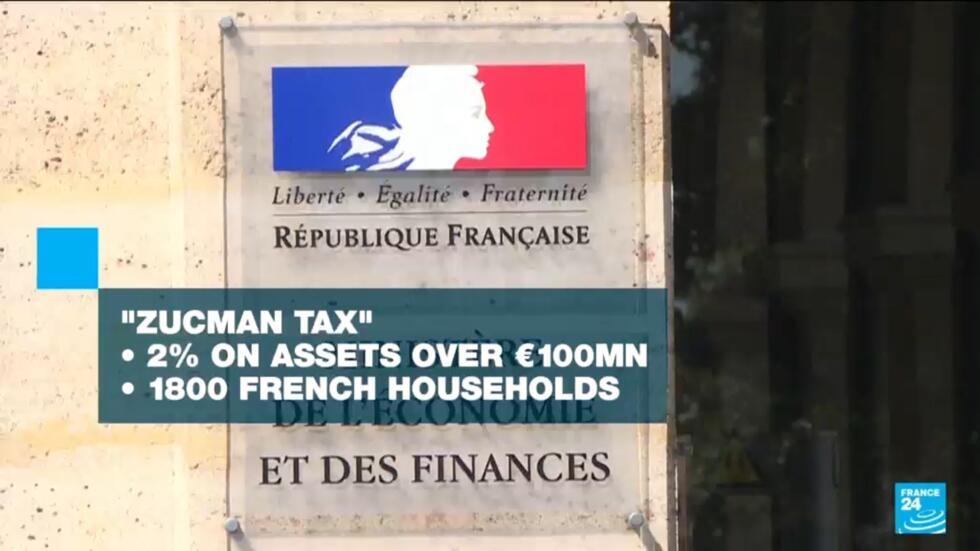
France's National Assembly rejected two significant proposals for a wealth tax on the ultra-rich, including economist Gabriel Zucman's 2% tax on assets over €100 million, which aimed to generate €15-20 billion annually. Concurrently, the lower house approved a more targeted 2% levy on assets held in non-business-purpose holding companies, projected to raise €1 billion. These tax policy decisions, made amidst contentious 2026 budget debates and a fragile minority government, underscore the political complexities in addressing France's deficit while balancing economic impact and parliamentary support.
France's National Assembly rejected two significant proposals for broad wealth taxes, including economist Gabriel Zucman's plan for a 2% levy on assets over €100 million, which aimed to generate €15-20 billion annually from approximately 1,800 households. Concurrently, the lower house approved a more targeted 2% tax on assets held in non-business-purpose holding companies, projected to raise a comparatively modest €1 billion by targeting around 4,000 entities. This dual outcome signals a preference for less sweeping tax measures on individual wealth.
These fiscal decisions are set against the backdrop of contentious 2026 budget debates, with Prime Minister Sébastien Lecornu's fragile minority government navigating deep divisions while attempting to address France's burgeoning deficit. The rejection of the broader wealth taxes, despite public popularity, underscores the political complexities and the government's reliance on centrist, conservative, and far-right support, potentially jeopardizing Lecornu's administration. To secure Socialist support, the government will not oppose lifting a freeze on pensions and welfare benefits.
In parallel, the Assembly passed amendments to double the tax on global tech giants and establish a 25% minimum rate on profits for multinationals operating in France. This indicates a strategic shift towards increasing corporate tax contributions, particularly from large international firms like IBM, Microsoft, Google, and Apple, as reflected by the negative per-ticker sentiment. The overall sentiment remains mixed, reflecting uncertainty around fiscal policy direction and political stability.
AI-powered research, real-time alerts, and portfolio analytics for institutional investors.
Request DemoOverall Sentiment
mixed
Sentiment Score
-0.10
Ticker Sentiment
