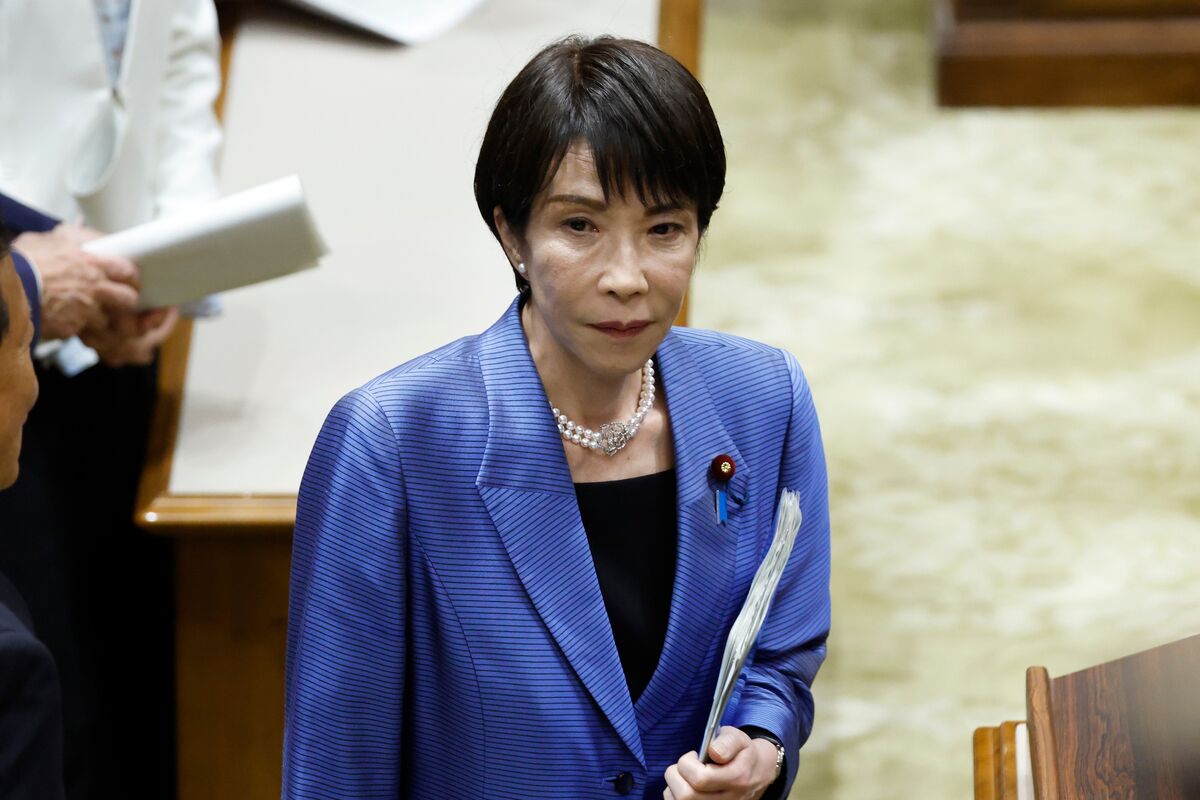
Japan’s new prime minister, Sanae Takaichi, ignited a diplomatic row with China in November after publicly speculating about potential military action concerning Taiwan while answering parliament questions. Beijing characterized the remarks as crossing a red line and retaliated with economic and diplomatic reprisals, elevating regional geopolitical risk and creating downside pressure on trade links and investor sentiment between the two economies.
Market structure: Near-term winners are defense primes (Lockheed Martin LMT, Northrop Grumman NOC, Raytheon RTX) and semiconductor equipment suppliers (KLA KLAC, Lam Research LRCX, ASML ASML) as governments shift procurement and onshoring plans; expect a 5–15% re-rating in defense contractor forward multiples if Japan and allied capex announcements occur within 6–12 months. Losers are Taiwan-headquartered fabs and China-exposed consumer/export names (TSM, large Chinese exporters) that could see 10–30% revenue-at-risk from tariffs, sanctions or logistics disruption in a severe episode. Commodities: oil and gold should see safe‑haven/price shock bids; JPY and USD/JPY volatility will spike in risk-off episodes.
Risk assessment: Tail risks include a blockade or targeted cyberattack on Taiwan’s fabs, Chinese broad economic sanctions on Japan, or US/China export control escalations; assign 5–15% annualized probability to a significant trade disruption and 1–5% to kinetic conflict within 12 months, with upside pricing shocks. Immediate (days): FX and equity volatility; short-term (weeks–months): trade flows and supply-chain re-routing; long-term (1–3 years): structural capex to diversify fabs and onshore equipment spend. Hidden dependencies: fabs’ consumables (chemicals, photoresists) and downstream fabless demand exposures are non-linear and can cause cascades across semicap names.
Trade implications: Tactical: establish 1–2% long positions in LMT and NOC (target +12–20% in 6–12 months, stop‑loss 8%) and scale 1–1.5% long in KLAC/LRCX for a 12–36 month secular onshoring theme. Hedge: buy 3‑month USD/JPY 2% OTM puts (size 0.5–1% risk budget) and buy 3‑month 5% OTM puts on TSM (size 0.5–1%) to protect semiconductor exposure. Pair: long ASML (+KLAC) vs short TSM (equal notional) to capture equipment demand re-rating vs fab-country risk. Rebalance on catalyst triggers (see below).
Contrarian angles: Consensus may overpay defense multiples on a temporary scare—past Japan–China flareups (2010 Senkaku) showed 6–12 month mean reversion; avoid full conviction longs without legislative/contract evidence. Underappreciated is accelerated secular capex: even if conflict probability falls, governments will accelerate onshoring — that supports a patient 12–36 month overweight in semicap. Watch for false positives: if Beijing limits only tourism/travel (not trade), semiconductor revenue impact will be muted and shorts on TSM could be costly.
AI-powered research, real-time alerts, and portfolio analytics for institutional investors.
Request DemoOverall Sentiment
moderately negative
Sentiment Score
-0.45
