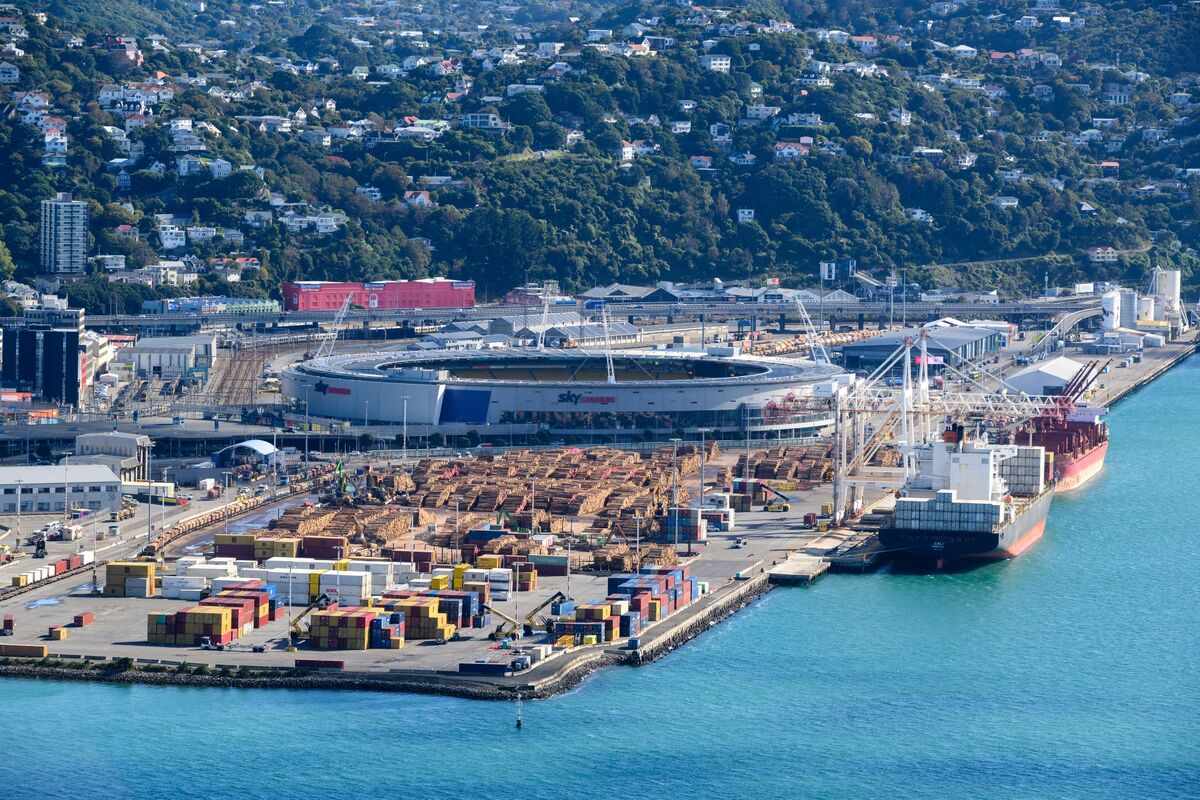
New Zealand's Trade Minister Todd McClay announced the country will immediately engage with US officials to seek a reduction in the 15% tariff recently imposed by President Donald Trump on its exports to the US. This signals New Zealand's intent to challenge the new trade barrier and secure more favorable export terms.
New Zealand's government is officially contesting a 15% tariff imposed on its exports by the United States under the Trump administration, signaling a new point of friction in bilateral trade relations. According to Trade Minister Todd McClay, the government will engage 'very, very quickly' with US officials to seek changes, underscoring the perceived economic threat. The defensive tone and moderately negative sentiment score (-0.5) reflect New Zealand's reactive position to this protectionist measure. This development introduces significant uncertainty for New Zealand's export-oriented economy and highlights the rising risks associated with global trade policy and tariffs, potentially disrupting established supply chains between the two countries.
AI-powered research, real-time alerts, and portfolio analytics for institutional investors.
Request DemoOverall Sentiment
moderately negative
Sentiment Score
-0.50
