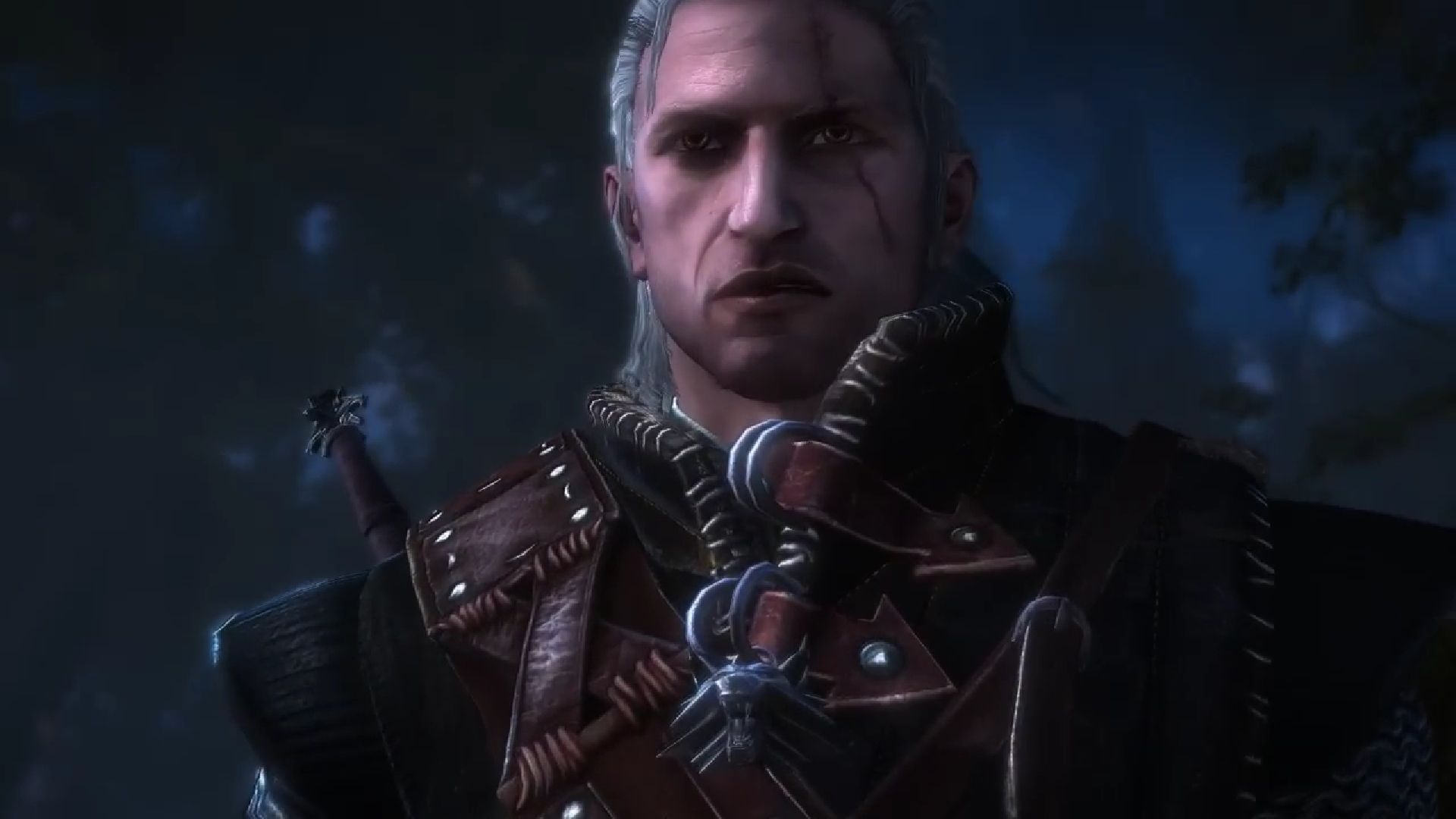
CD Projekt co-founder Michał Kiciński has repurchased GOG from CD Projekt and reaffirmed the platform's long-standing anti-DRM policy, stating DRM harms legitimate customers and does not prevent piracy. He cited CD Projekt's 2011 removal of DRM from The Witcher 2 — which led to a lawsuit from publisher Bandai Namco — to underscore the company’s consumer-first stance; the ownership change is positioned as continuity in philosophy rather than a material operational or financial shift.
Market structure: GOG's recommitment to DRM‑free distribution benefits DRM‑free storefronts, PC‑native indie developers and consumer goodwill; incumbents that rely on heavy DRM/licensing (third‑party DRM vendors, risk‑averse publishers) face pricing pressure and reputational costs. Expect a modest reallocation of long‑tail PC sales (low‑single‑digit % annual share shift over 12–24 months) rather than immediate disruption to AAA pricing or console ecosystems.
Risk assessment: Tail risks include regulatory action (EU/US consumer‑ownership rules) or publisher lock‑outs restricting GOG catalog; a worst‑case litigation/contract cascade could remove key titles and shrink GOG revenue by >30% in 12 months. Near term (days–weeks) watch for headlines and developer signings; medium term (3–12 months) watch catalog metrics and publishing deals; long term (2–5 years) DRM philosophy can reshape distribution economics and M&A interest.
Trade implications: Tactical equity plays favor firms with strong PC direct‑to‑consumer franchises (CD Projekt CDR.WA) and ETFs exposed to games (GAMR); avoid niche DRM vendors (private/illiquid) and consider hedged short exposure to publishers that double down on intrusive DRM (e.g., Bandai Namco 7832.T). Options can express asymmetric views: buy 6‑12 month OTM calls on DRM‑friendly names and put spreads on DRM‑centric publishers if volatility rises; target 6–12 month horizons.
Contrarian angles: The market underestimates the licensing‑risk tradeoff — GOG's stance may provoke publishers to withhold launches, temporarily reducing its growth (contrary to headline optimism). Historical parallels (Steam vs GOG, Epic exclusives) show exclusivity/content access matters more than ideology; catalytic M&A interest in a loyal DRM‑free user base is a 12–36 month upside scenario that consensus may be underpricing.
AI-powered research, real-time alerts, and portfolio analytics for institutional investors.
Request DemoOverall Sentiment
neutral
Sentiment Score
0.12
