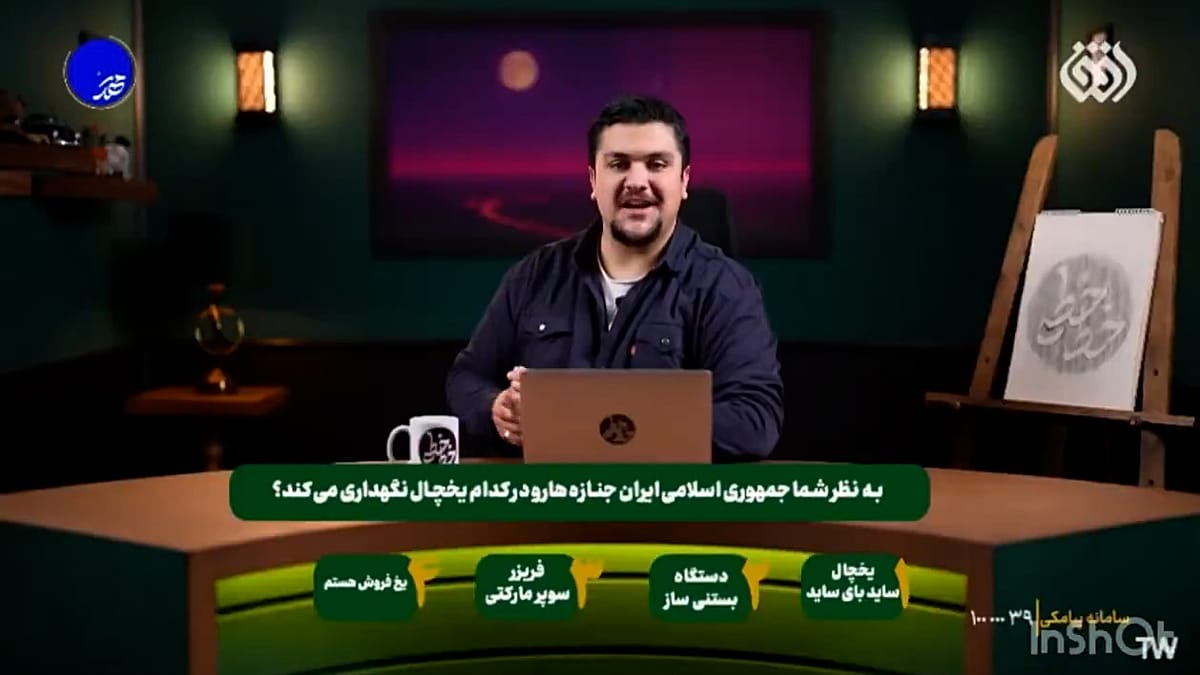
Tehran prosecutors have charged the director, production team and host of Ofogh TV after a broadcast of the programme “Khat-Khati” mocked corpses of protesters killed in January, provoking national outrage. Host Mohammad-Hossein Mohabbati made disparaging remarks referencing allegations about bodies in cold storage; the channel’s director Sadegh Yazdani was dismissed and the programme was taken off air. The incident highlights heightened state sensitivity and disciplinary action toward a state-aligned broadcaster (Ofogh TV is close to the IRGC), underscoring increased political and media risk that could weigh on investor sentiment toward Iran-related exposure.
Market structure: This episode strengthens state media control and reduces informational transparency in Iran, benefiting state-aligned channels and hard-power actors (IRGC) while further damaging trust in domestic institutions and any Iran-exposed credit. Financially, losers are Iranian sovereign credit and the rial (upward pressure on credit spreads and FX volatility); winners are safe-haven assets and defense suppliers if escalation expectations rise. Reduced supply of independent reporting increases informational asymmetry, raising risk premia priced into regionally sensitive assets.
Risk assessment: Tail risks include a low-probability (<5% near-term) but high-impact escalation that disrupts Strait of Hormuz flows or triggers new sanctions; a medium-probability (10–25% over 3 months) scenario is intensified domestic repression that increases localized volatility but limited global contagion. Immediate window (days) = spike in local FX/credit volatility; short-term (weeks–months) = higher oil risk premium if protests coincide with military moves; long-term (quarters) = entrenched state control that reduces recovery visibility for any Iran reforms. Hidden dependencies: proxy group responses, anniversary dates, and foreign policy signaling from US/Israel that can rapidly remap probabilities.
Trade implications: Tactical safe-haven plays and hedges are warranted: small, hedged positions that pay off on geopolitical spikes while limiting carry. Monitor Brent: a sustained +$3/bbl move within 7 trading days should trigger defense exposure and commodity reweights; absent that, favor convex protection over directional positions. Priority is volatility buys (options) and short-duration credit/EM risk reduction rather than outright large directional commodity or equity bets.
Contrarian angles: Consensus expects broad contagion — history (2009/2019 Iran unrest) shows limited global market disruption absent military action, so full-scale long oil or broad EM shorts are likely overdone. Mispricing exists in cheap, short-dated volatility: buying 1–3 month convex protection likely offers asymmetric payoff for <2% portfolio allocations. Unintended consequence: harsher repression can lower short-term probability of external escalation, capping oil upside and favoring short-duration hedges over multi-quarter directional trades.
AI-powered research, real-time alerts, and portfolio analytics for institutional investors.
Request DemoOverall Sentiment
mildly negative
Sentiment Score
-0.25
