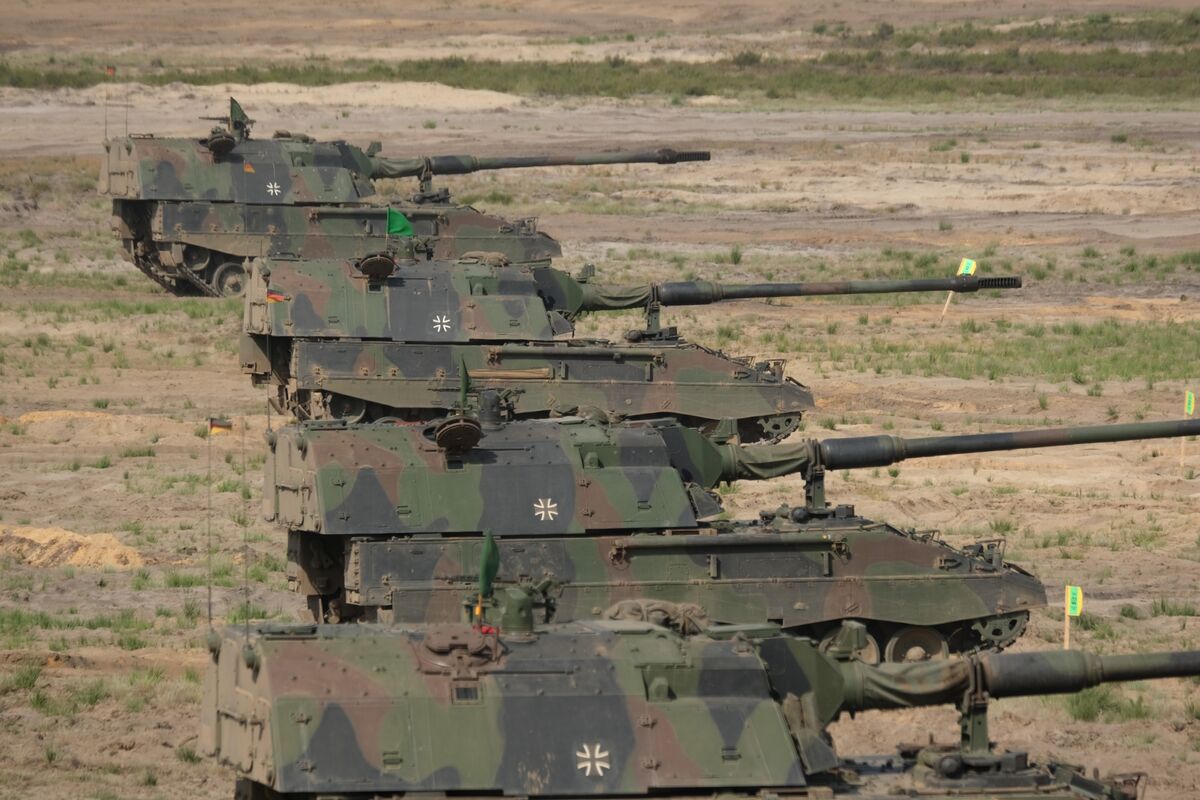
Germany plans to more than double its defense outlays to €162 billion ($189 billion) by 2029, elevating spending from 2% to 3.5% of GDP, as part of a significant investment push to rebuild its military in response to mounting Russian aggression. This substantial reorientation of fiscal priorities, which includes an annual €9 billion allocation for Ukraine, signals a heightened commitment to European security and a significant shift in the nation's defense posture.
Germany is undertaking a significant fiscal reorientation by planning to more than double its defense outlays to as much as €162 billion ($189 billion) by 2029. This strategic shift, driven by what officials term "mounting Russian aggression," will elevate defense spending from 2% to a projected 3.5% of GDP, substantially exceeding the NATO target. The plan includes a notable recurring commitment of €9 billion annually in aid for Ukraine, embedding it within a broader, long-term initiative to rebuild the nation's military capabilities. This multi-year investment program represents a fundamental change in Germany's post-war defense posture and establishes a powerful, state-funded demand catalyst for the European defense sector. The scale of the commitment suggests a structural, rather than cyclical, increase in military expenditure, which will likely create a sustained pipeline for defense procurement.
AI-powered research, real-time alerts, and portfolio analytics for institutional investors.
Request DemoOverall Sentiment
moderately positive
Sentiment Score
0.60
