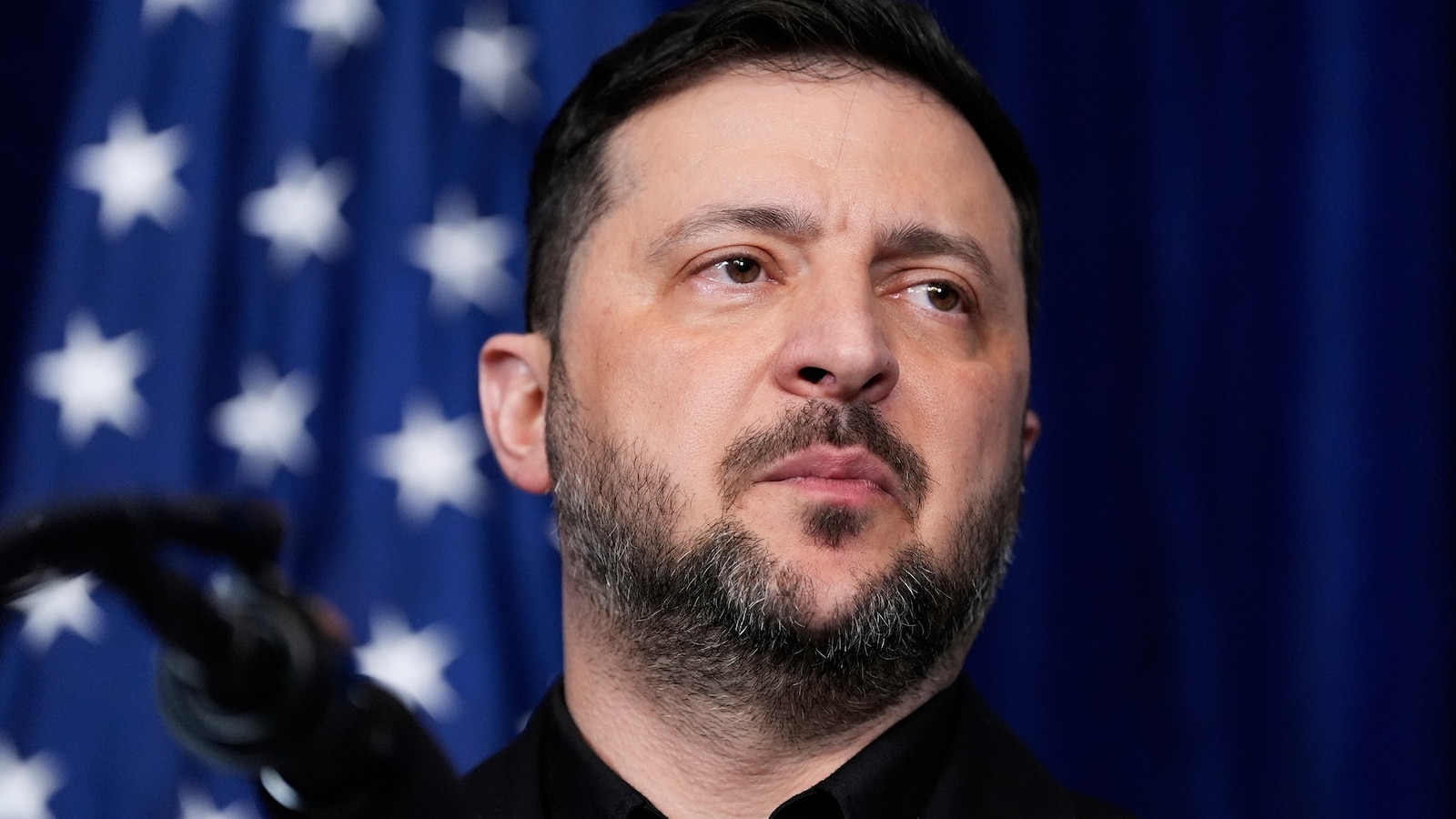
Russian officials claimed a Dec. 29 Ukrainian drone strike hit a presidential residence in Novgorod and threatened retaliatory strikes, while Kyiv denied the allegation as disinformation. Kremlin hardliners, including Dmitry Medvedev, issued personal threats against President Zelenskyy and the Kremlin said the incident could harden Russia's negotiating stance even as U.S.-brokered talks — discussed in a recent Trump–Putin call — continue. Overnight exchanges saw Russia launch missiles and roughly 60 drones into Ukraine with Kyiv reporting most were shot down; limited casualties and drone wreckage were reported in Krasnodar, and regional flight restrictions were imposed. The episode raises short-term geopolitical escalation risk that could prompt a risk-off move in markets and complicate peace negotiations.
Market structure: Near-term winners are defense primes (Lockheed LMT, Raytheon/RTX, Northrop NOC) and hard-asset plays (gold GLD, energy XLE) as investors re-price geopolitical risk; losers include Russian assets (RSX), European travel/airlines (JETS, IAG) and regional banks exposed to FX/shutdowns. Pricing power shifts to defense contractors and integrated oil majors over 1–12 months as governments reset procurement and buyers pay premia for secure supplies.
Risk assessment: Tail risks include escalation to wider NATO involvement or a strategic strike on energy/logistics nodes (low-probability, very high-impact) —prepare for >+15% moves in Brent or VIX>30 within days if realized. Immediate (days) expect volatility spikes and FX dislocations (RUB down, USD safe-haven); short-term (weeks–months) expect defense re-rating and commodity tightness; long-term (quarters–years) anticipate ~5–15% higher Western defense budgets if talks fail.
Trade implications: Favor small, directional exposure: establish 1–3% long positions in high-quality defense names and 0.5–2% in gold, while shorting travel/exposure to Russia. Use options to express asymmetric views (3-month call spreads on defense; VIX call spreads as tail hedge) and size so P&L max drawdown per trade ~15%. Enter on volatility spike (VIX>18) or oil breach (Brent>$85); trim at +15–30% or volatility normalization.
Contrarian angles: Consensus fears full-scale escalation; markets often overshoot then mean-revert (Georgia/2008, Crimea/2014 parallels). If peace talks produce near-term ceasefire, defense names can pull back 10–20% — size positions small and prefer options to cap downside. Unintended consequence: energy rally could be short-lived if Russian exports reroute; avoid full directional oil futures without convex hedges.
AI-powered research, real-time alerts, and portfolio analytics for institutional investors.
Request DemoOverall Sentiment
strongly negative
Sentiment Score
-0.60
