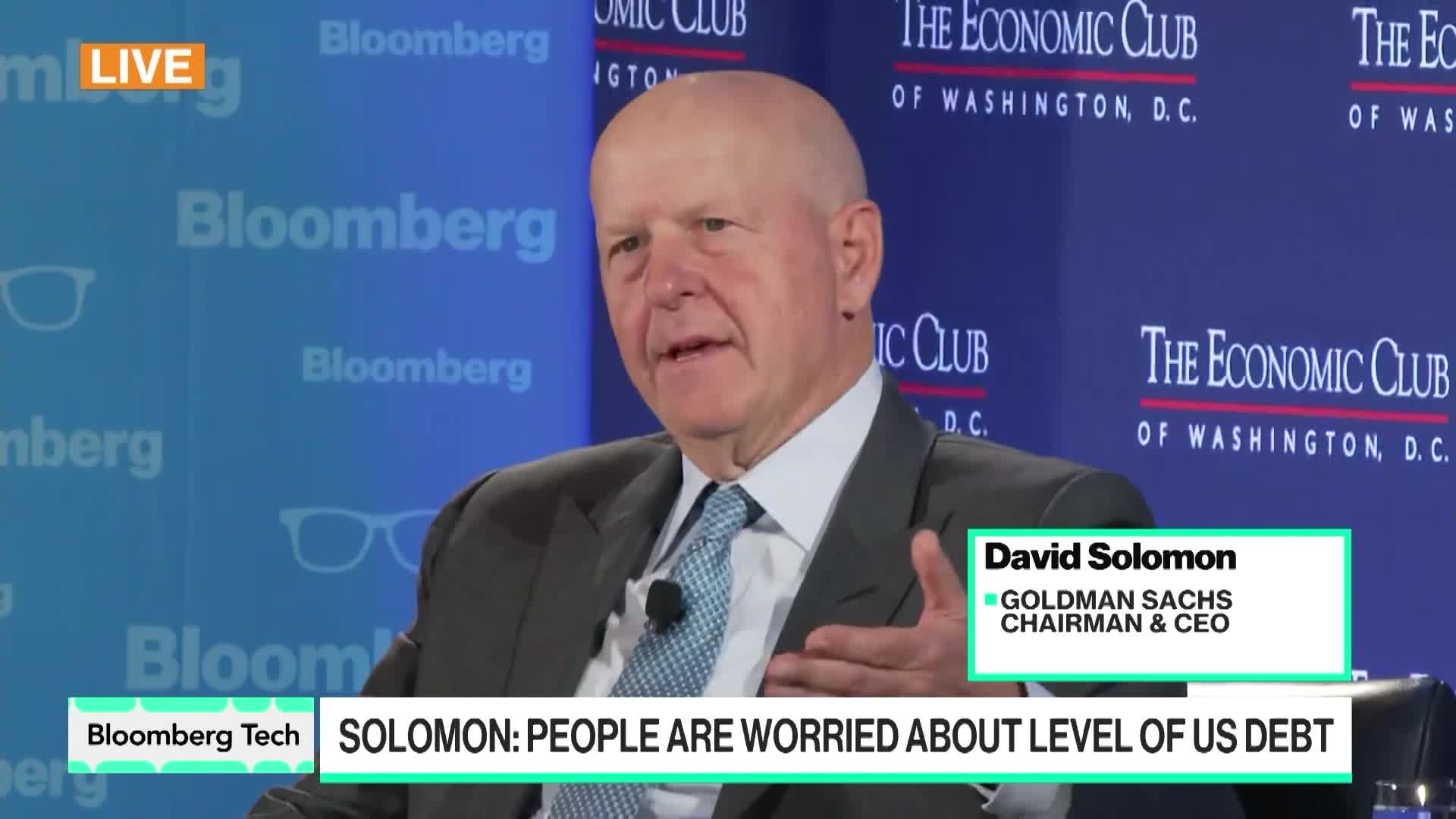
Goldman Sachs CEO David Solomon has indicated that the odds of a U.S. recession are currently low, offering a positive assessment of the economic outlook from a prominent financial leader.
Goldman Sachs CEO David Solomon has publicly stated that the probability of a U.S. recession is currently low, reflecting an optimistic assessment of the nation's economic trajectory. This declaration from a prominent financial institution leader carries a moderately positive sentiment score of 0.6, indicating a generally favorable market perception.
Solomon's commentary provides a significant data point for institutional investors, particularly given Goldman Sachs's deep market insights and economic forecasting capabilities. This positive outlook potentially reassures market participants, contrasting with earlier, more cautious economic projections and reinforcing a narrative of economic resilience. The classification of this news under 'Economic Data' underscores its importance for macroeconomic analysis.
While the immediate market impact score is moderate at 0.5, such an optimistic stance from a major financial figure can bolster investor confidence and support risk-on sentiment across equity markets. It suggests a more stable economic environment, which could positively influence corporate earnings expectations and reduce the perceived need for overly defensive portfolio positioning.
AI-powered research, real-time alerts, and portfolio analytics for institutional investors.
Request DemoOverall Sentiment
moderately positive
Sentiment Score
0.60
Ticker Sentiment
