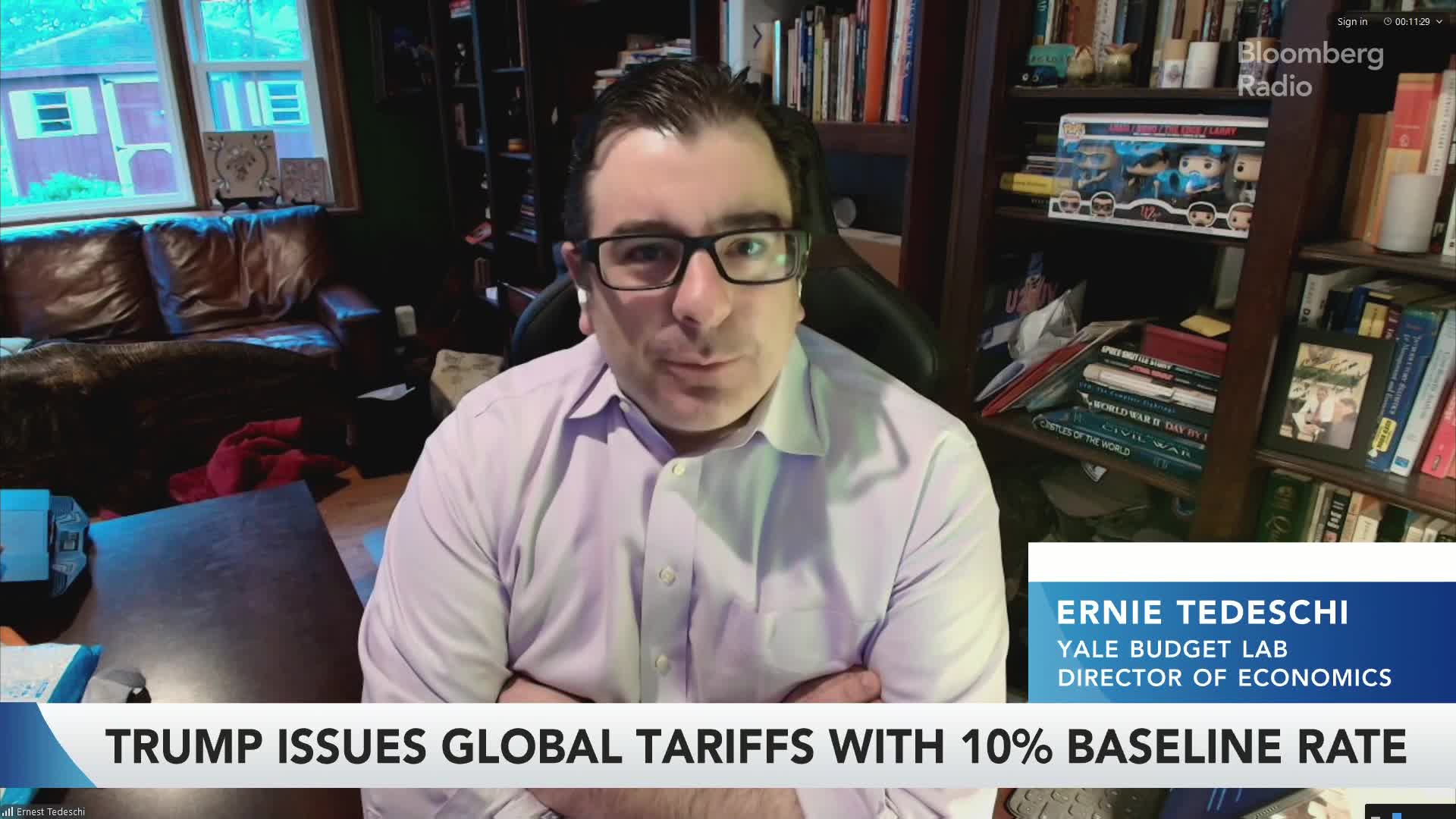
President Trump's latest tariff revisions, averaging 15%, impose the steepest US tariffs since the 1930s, roughly six times higher than a year ago, despite a more subdued investor response compared to initial announcements. These new levies include a 10% baseline minimum, with rates of 15% or more for countries with trade surpluses, while Mexico's current tariffs are extended for 90 days to facilitate trade negotiations. This sustained tariff pressure poses significant implications for the global economy, potentially impacting trade flows and consumer costs.
The latest US tariff revisions solidify a historically aggressive trade posture, with the average tariff rate of 15% standing at its highest level since the 1930s and representing a six-fold increase from a year prior. While the immediate market reaction was reportedly more subdued than to previous announcements, the underlying economic implications are significant, as reflected by the high market impact score. The policy establishes a minimum 10% levy, escalating to 15% or more for nations holding trade surpluses with the US, indicating a targeted strategy. The 90-day extension for Mexico's current rates introduces a specific timeline for either resolution or further escalation in North American trade, creating a focal point of uncertainty. The analysis from the Yale Budget Lab underscores the primary risk: the potential for these substantial costs to be transferred to consumers, which could pressure inflation and corporate margins across various sectors.
AI-powered research, real-time alerts, and portfolio analytics for institutional investors.
Request DemoOverall Sentiment
strongly negative
Sentiment Score
-0.70
