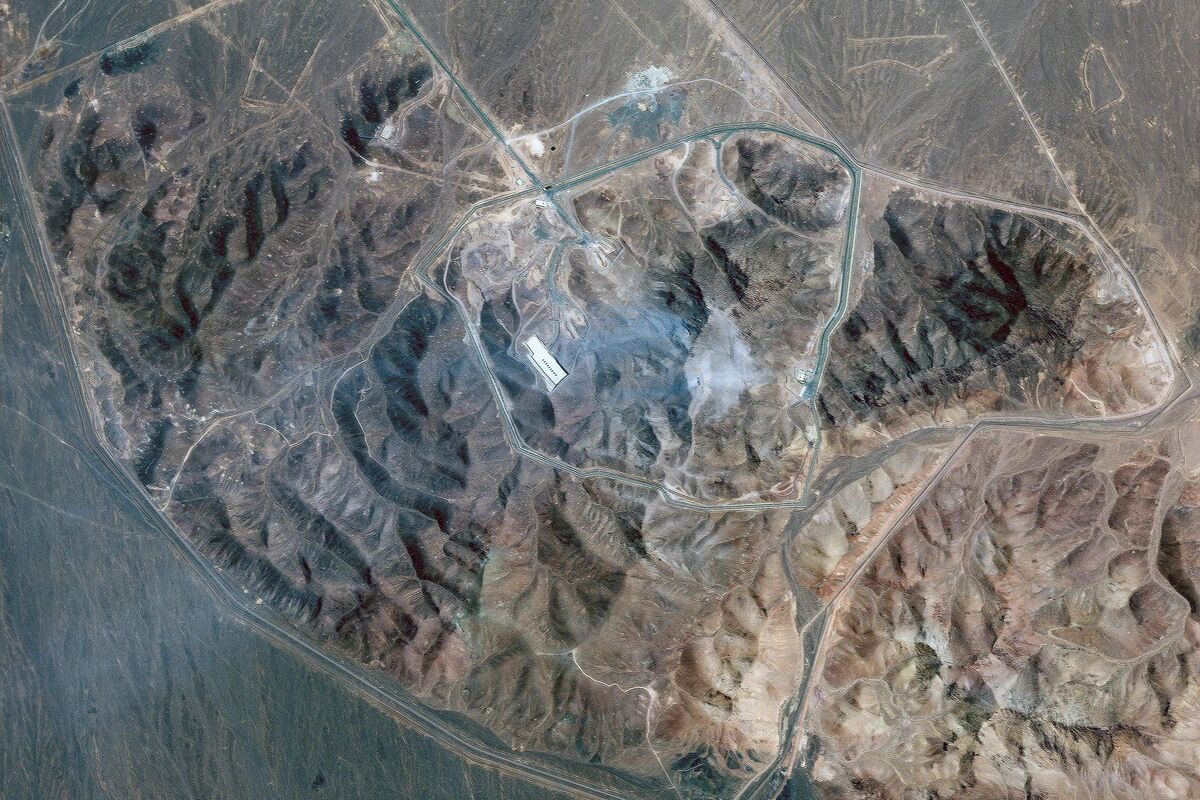
IAEA Director General Rafael Mariano Grossi called for a cessation of US strikes on Iran's nuclear facilities, urging a return to diplomacy to facilitate inspections. Briefing the UN Security Council, Grossi emphasized that the global nuclear non-proliferation framework is imperiled, highlighting the escalating geopolitical risks and the critical need for de-escalation amidst ongoing tensions.
The public appeal by IAEA Director General Rafael Mariano Grossi to the UN Security Council marks a significant escalation in geopolitical tensions surrounding Iran's nuclear program. His warning that the global non-proliferation framework is "on the line" following US strikes using advanced military hardware, including stealth bombers and ground-penetrating munitions, signals a critical breakdown in diplomatic channels. The direct military action jeopardizes the IAEA's ability to conduct essential inspections, creating an information vacuum and increasing uncertainty over Iran's nuclear activities. This development injects substantial risk into global markets, as indicated by the high market impact score of 0.65 and a mildly negative sentiment. The core dynamic for investors is the tension between the potential for a return to dialogue, which Grossi terms a "window of opportunity," and the clear and present danger of a wider regional conflict.
AI-powered research, real-time alerts, and portfolio analytics for institutional investors.
Request DemoOverall Sentiment
mildly negative
Sentiment Score
-0.35
