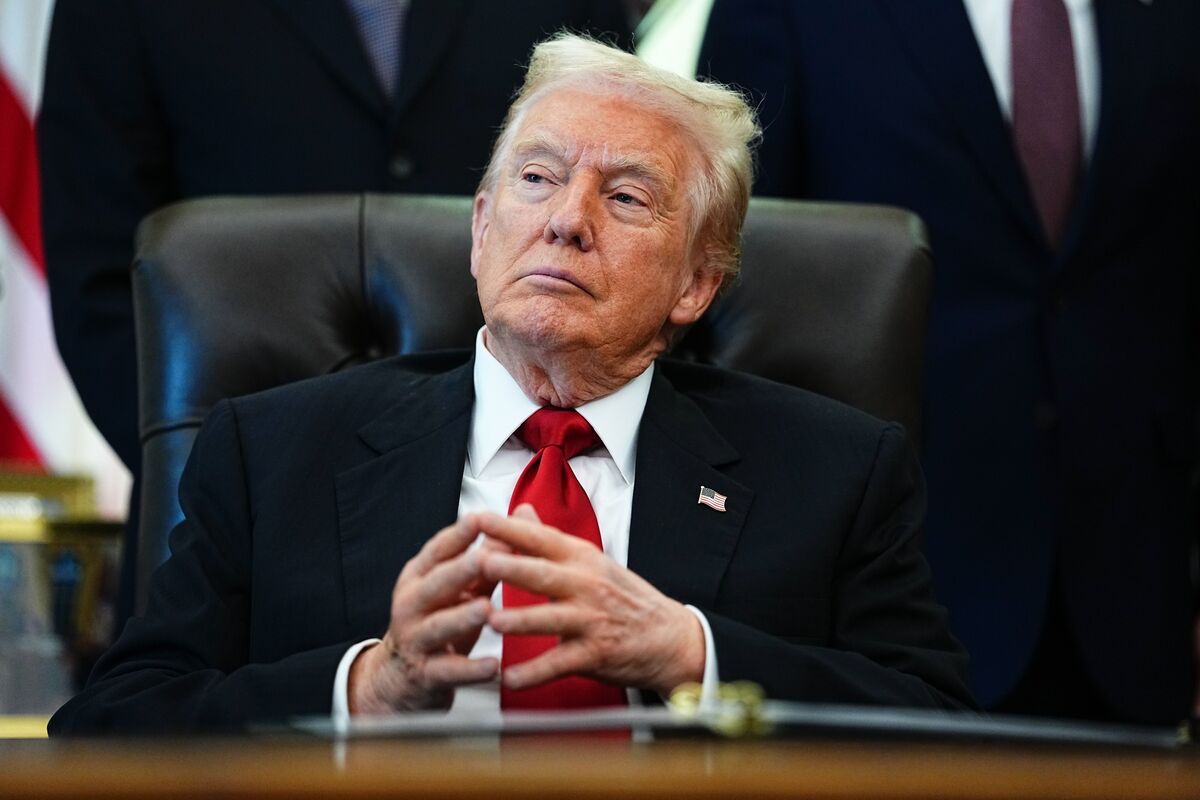
President Trump’s escalation of tariffs and tightening of travel and visa policies is fraying long-standing US trade and people-to-people ties with Asia—creating the steepest US tariff wall since the 1940s, discouraging Chinese students and shifting tourists toward regional destinations. Those moves risk isolating the United States from the fastest-growing economic region and ceding commercial and strategic influence to Asian partners and competitors as the century’s economic center of gravity shifts eastward.
President Trump’s escalation of tariffs combined with tighter visa and travel policies is described as creating the steepest US tariff wall since the 1940s and is already damping people-to-people links, with Chinese students deterred by visa roadblocks and some tourists shifting to regional Asian destinations. The article frames these moves as risking the United States’ economic integration with Asia just as the region accelerates as the century’s growth center. Market and signal outputs align with this interpretation: overall sentiment is negative (sentiment_score -0.5) regarding US policy, while the Asia theme registers a positive per-ticker sentiment (ASIA 0.5) and a modest market impact score (0.35), implying potential reallocation benefits for Asian markets. Primary investment implications are directional reallocation and heightened geopolitical risk: exporters and multinationals with Asia-dependent supply chains face disruption and potential cost pressures, while companies and sectors tied to Asian domestic consumption, tourism, and education may capture redirected flows; near-term outcomes hinge on policy persistence and election-related politics.
AI-powered research, real-time alerts, and portfolio analytics for institutional investors.
Overall Sentiment
Negative
Sentiment Score
-0.50
Ticker Sentiment
