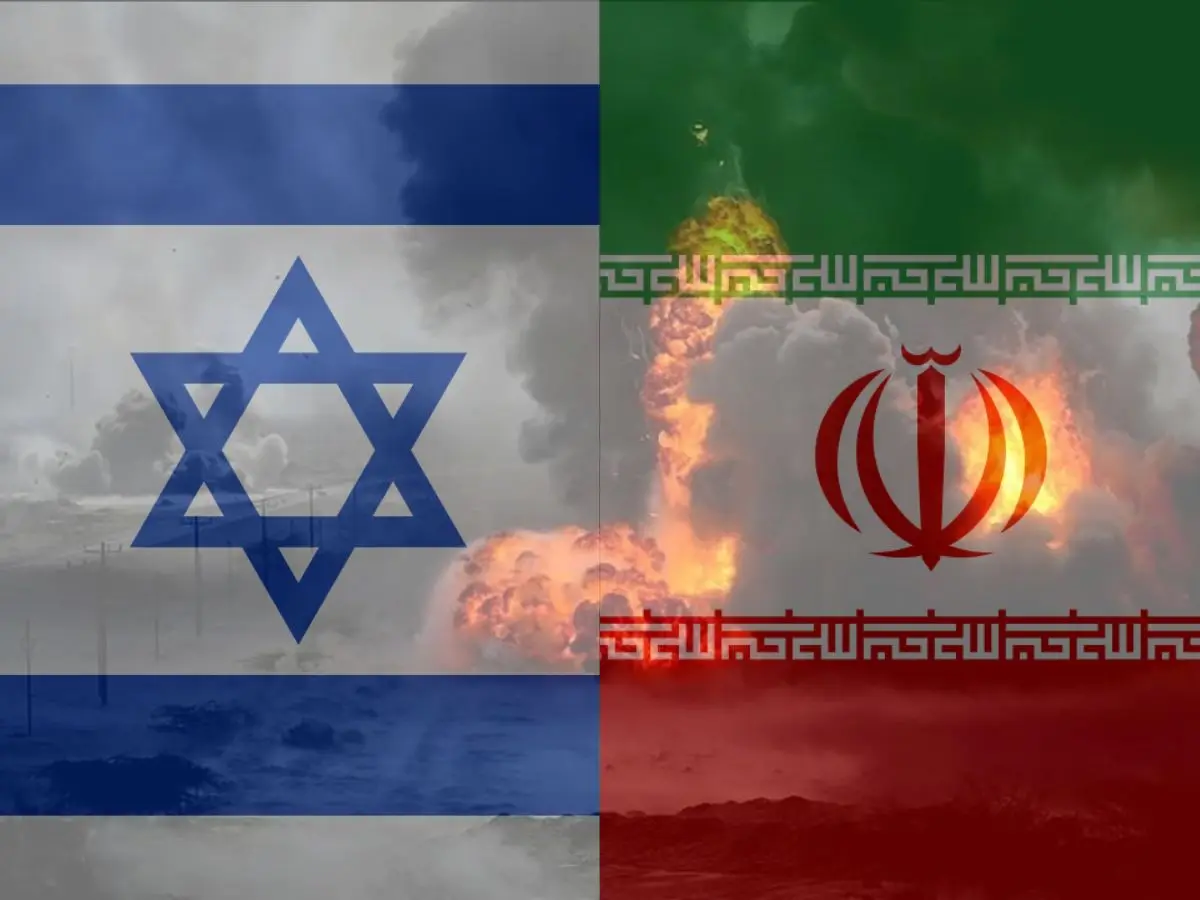
Global Firepower 2025 ranks Israel marginally ahead of Iran (PowerIndex 0.2661 vs 0.3048) despite Iran’s far larger population and manpower (88.4m vs 9.4m; 49.5m vs 3.95m available). Israel’s advantages are higher defence spending ($30.5bn vs $15.45bn), larger foreign reserves ($204.6bn vs $120.6bn), superior qualitative air and naval assets (240 vs 188 fighters; 5 vs 25 submarines) and advanced strike/precision systems, while Iran retains numerical advantages in tanks (1,713 vs 1,300), armoured vehicles (~66,000 vs 35,985) and rocket projectors (1,517 vs 183). The article highlights that US backing materially amplifies Israel’s effective capability, a dynamic that raises regional risk premia and could affect defence, FX and commodity-sensitive positioning if tensions escalate.
Market structure: Geopolitical escalation favors defense primes (LMT, NOC, RTX, GD) and cybersecurity (CRWD, PANW) via order-book and pricing power, while regional EM equity/credit (EEM, IL bonds) and commercial aviation (BA, AAL) face demand shocks. Oil producers (XOM, CVX) and gold (GLD) are natural beneficiaries if supply routes or insurance costs spike; shipping/reinsurance firms will see higher premiums that can be passed through only slowly.
Risk assessment: Tail risks include US military involvement or Strait of Hormuz disruption producing a >$20/bbl oil shock and synchronized risk-off (S&P -8%+). Immediate (days): VIX and FX (USD up, ILS/TRY volatile) spikes; short-term (weeks/months): defense rerating and EM outflows; long-term (quarters): permanent higher defense budgets vs. inflation-driven central bank tightening. Hidden dependencies: Congressional aid votes, weapons supply-chain bottlenecks, and war-risk insurance are binary catalysts.
Trade implications: Favor 3–6 month tactical longs in large-cap defense (2–3% portfolio) and 1–2% GLD hedges; short 1–1.5% EM equity (EEM) exposure or buy 3-month puts. Use options to express quick volatility moves: VIX 1-month calls or SPY 1-month 2% OTM puts as tactical protection; consider pair: long LMT / short BA to isolate defense vs. commercial aerospace risk. Entry triggers: VIX>20 or Brent>80; take profits at +15–25%, stops at -10%.
Contrarian angles: Consensus may overpay prime defense names — much of upside is priced already; if conflict remains localized, defense peers could mean-revert 10–15%. Conversely, a 10–20% drop in Israeli tech (EIS) could be a buying opportunity for long-term exposure to innovation-heavy names. Watch for second-order effects: sustained oil >$85 could force Fed hawkish, reversing the Treasury rally and hurting duration plays.
AI-powered research, real-time alerts, and portfolio analytics for institutional investors.
Request DemoOverall Sentiment
moderately negative
Sentiment Score
-0.40
