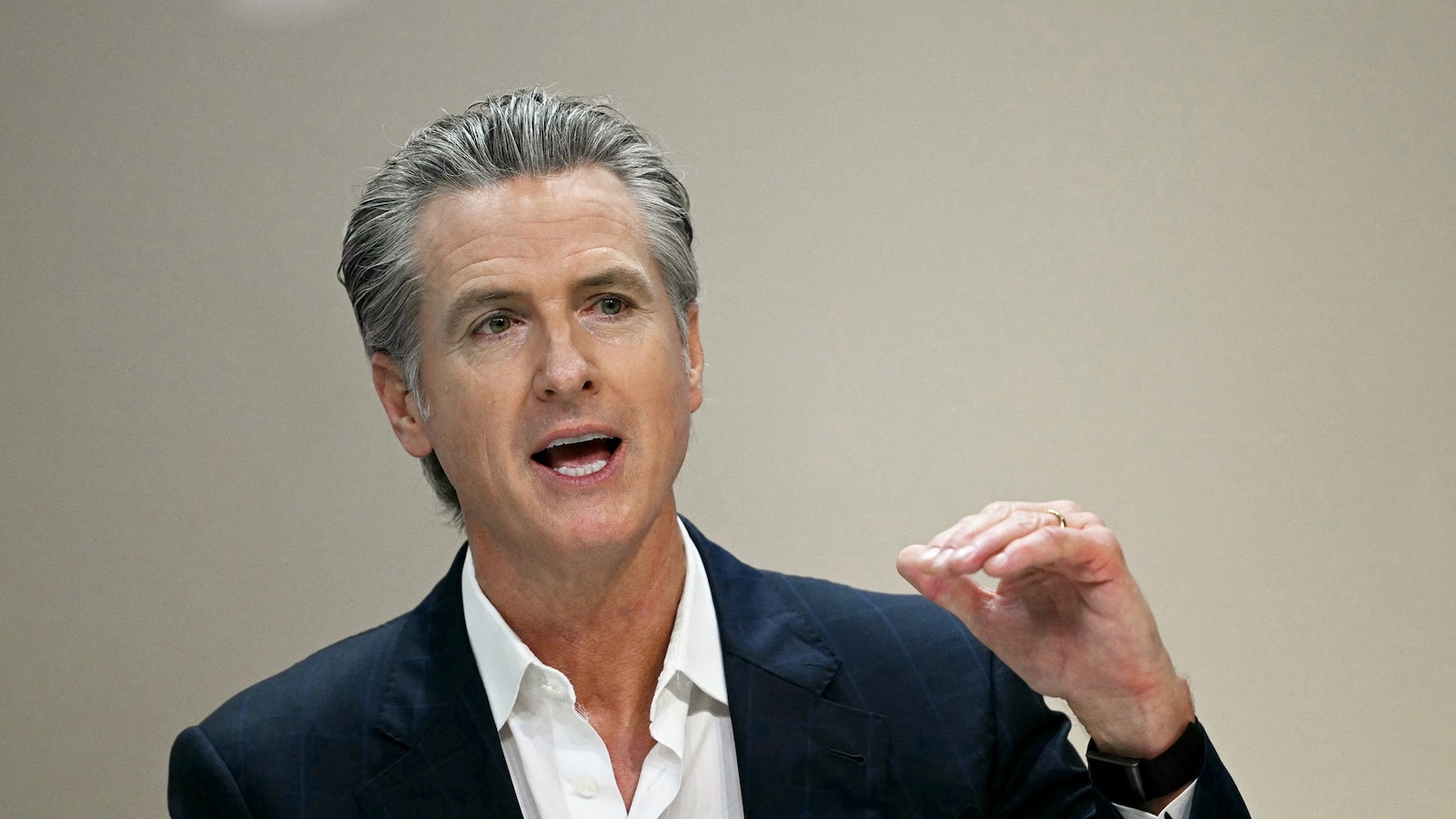
The Trump administration declined to send an official delegation to COP30 in Belem — the first U.S. absence at the annual UN climate summit since 1995 — with the White House saying it will engage on energy issues elsewhere and the Energy Secretary calling the summit a "hoax," while a federal shutdown also kept lawmakers away. In response, a coalition of roughly 100 subnational U.S. leaders (governors, mayors and state officials) plus NGOs and businesses, including California Gov. Gavin Newsom, attended under the U.S. Climate Alliance; experts warn the federal boycott introduces policy and signaling uncertainty for markets but note that sustained state and private-sector participation continues to influence capital flows, technology pathways and investment in the energy transition.
The Trump administration declined to send an official delegation to COP30 in Belém, Brazil — the first U.S. absence at an annual UNFCCC summit since 1995 — with a White House official saying no high‑level representatives would attend and Energy Secretary Chris Wright calling the conference "essentially a hoax" while suggesting he may attend next year; a record‑setting federal shutdown also prevented some lawmakers from participating. A coalition of roughly 100 subnational U.S. leaders (governors, mayors and state officials) and U.S. NGOs and businesses attended under the U.S. Climate Alliance, with high‑profile Americans including California Gov. Gavin Newsom, Sen. Sheldon Whitehouse and former VP Al Gore present on the ground. Market and policy signaling risks are elevated because the U.S. is a major emitter that shapes capital flows and technology pathways, a point emphasized by Maria Mendiluce; however, sustained engagement by states, cities and corporations partially mitigates that risk by continuing to direct investment and innovation. Near‑term implications include greater fragmentation of climate governance, potential short‑term investor uncertainty (the article's sentiment is mildly negative and market‑impact score modestly positive at 0.3), and the need to monitor state‑level commitments and any reversal in federal posture ahead of next year's COP.
AI-powered research, real-time alerts, and portfolio analytics for institutional investors.
Overall Sentiment
mildly negative
Sentiment Score
-0.30
