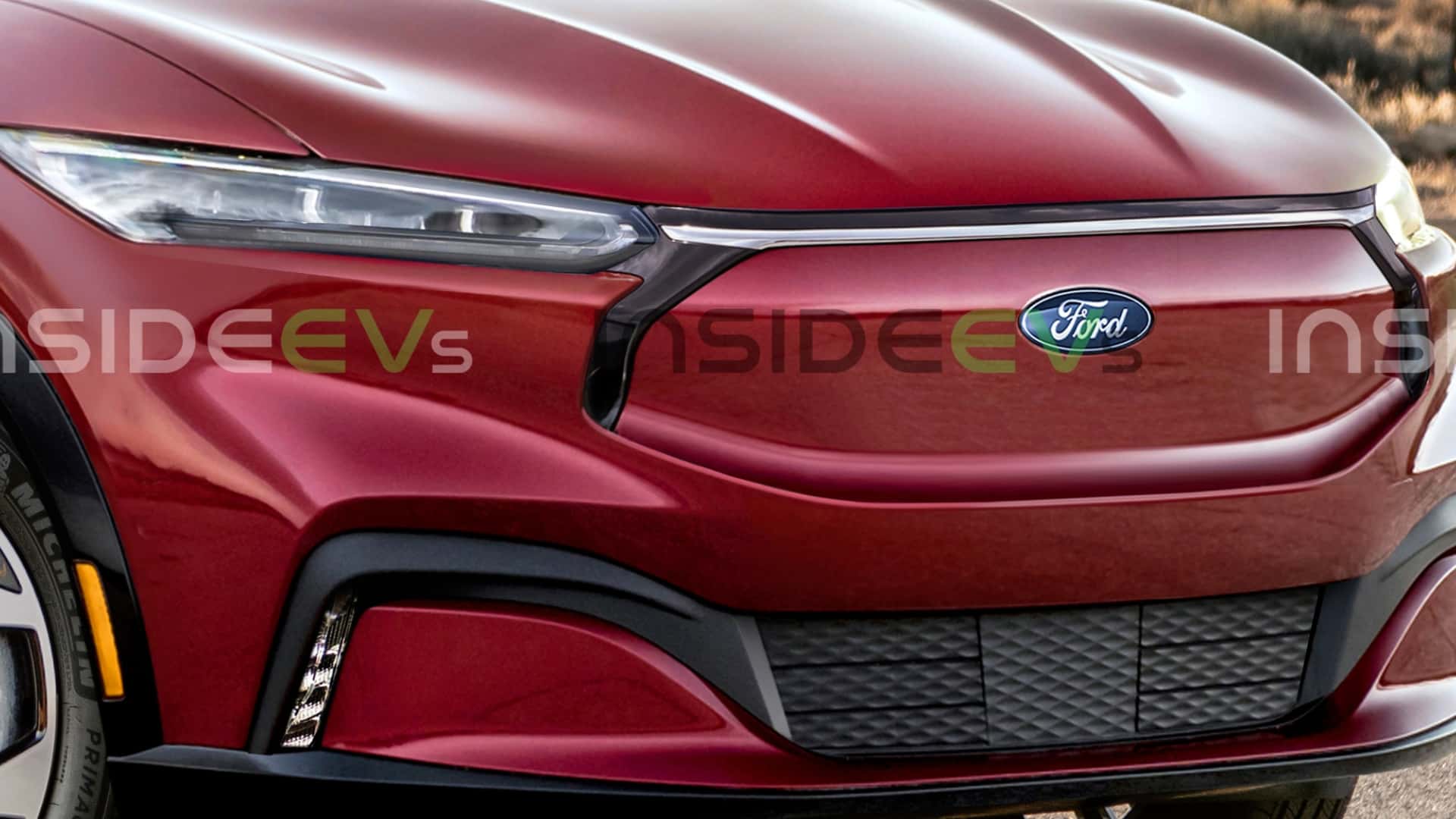
Ford CEO Jim Farley announced plans to unveil a "breakthrough" electric vehicle and platform on August 11 in Kentucky, terming it a "Model T moment" for the company. This initiative signals a renewed strategic focus on developing low-cost, mass-produced EVs in the U.S., supported by new domestic LFP battery production set to begin next year. The move aims to revitalize Ford's EV efforts and introduce a new family of vehicles, despite recent struggles in its electric division and a broader market pivot towards hybrids.
Ford Motor Company is signaling a significant strategic pivot with its planned August 11 reveal of a next-generation, low-cost electric vehicle platform, which CEO Jim Farley has framed as a "Model T moment." This announcement comes amid a period of struggle for Ford's EV division, which has a limited portfolio of three models and has been losing ground to competitors like General Motors, now the second-largest EV seller in the U.S. behind Tesla. The initiative represents a renewed commitment to the EV space after the company recently shifted focus toward more profitable hybrid and gasoline vehicles and canceled a planned three-row electric SUV. The viability of this new low-cost strategy is critically dependent on Ford's vertical integration of battery production, specifically its $3 billion BlueOval LFP battery plant in Michigan, which is slated to begin producing America's first automotive-grade LFP cells next year. While forward-looking sentiment is moderately positive, the company faces considerable headwinds, including an $800 million impact from tariffs reported in the second quarter, uneven EV market demand due to policy changes, and intense competition from both domestic and Chinese automakers.
AI-powered research, real-time alerts, and portfolio analytics for institutional investors.
Overall Sentiment
moderately positive
Sentiment Score
0.60
Ticker Sentiment
