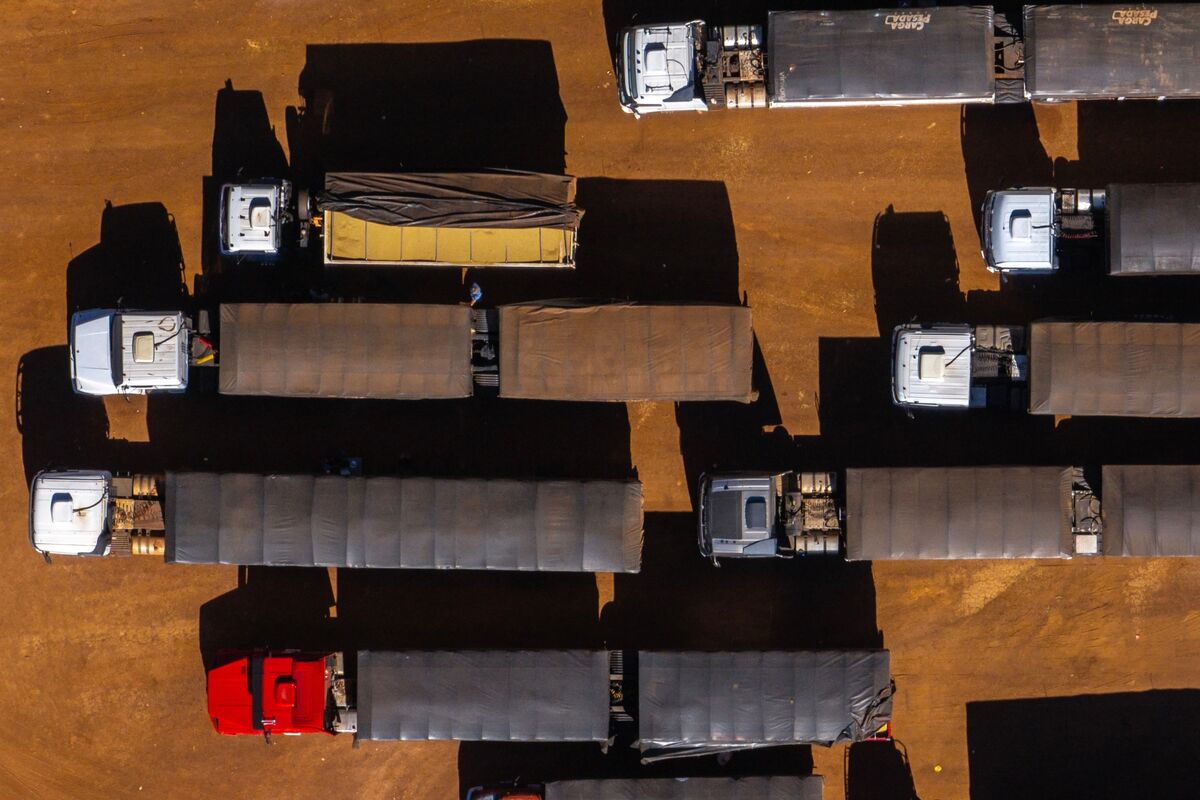
Cargill Inc.'s revenue for the year ended May 31 declined to a four-year low of $154 billion, down from $160 billion, reflecting significant headwinds from declining crop prices and a shrinking American cattle herd. As the largest private U.S. company, Cargill's ongoing restructuring efforts underscore broader challenges within the agricultural commodity sector.
Cargill Inc., the largest private company in the U.S., reported a significant decline in annual revenue to $154 billion for the fiscal year ending May 31, marking a four-year low. This represents a drop from the prior year's $160 billion and signals a notable reversal from the post-2021 commodity price surge. The revenue downturn is directly attributed to macro headwinds, specifically declining crop prices and a shrinking American cattle herd, which are impacting the broader agricultural sector. The company's ongoing restructuring efforts underscore the severity of these market pressures and its strategic response to adapt to a more challenging operating environment. As a key bellwether for the global food and commodities markets, Cargill's performance provides a strong negative signal, suggesting that other firms exposed to agricultural commodity prices and livestock markets are likely facing similar fundamental pressures.
AI-powered research, real-time alerts, and portfolio analytics for institutional investors.
Request DemoOverall Sentiment
strongly negative
Sentiment Score
-0.60
