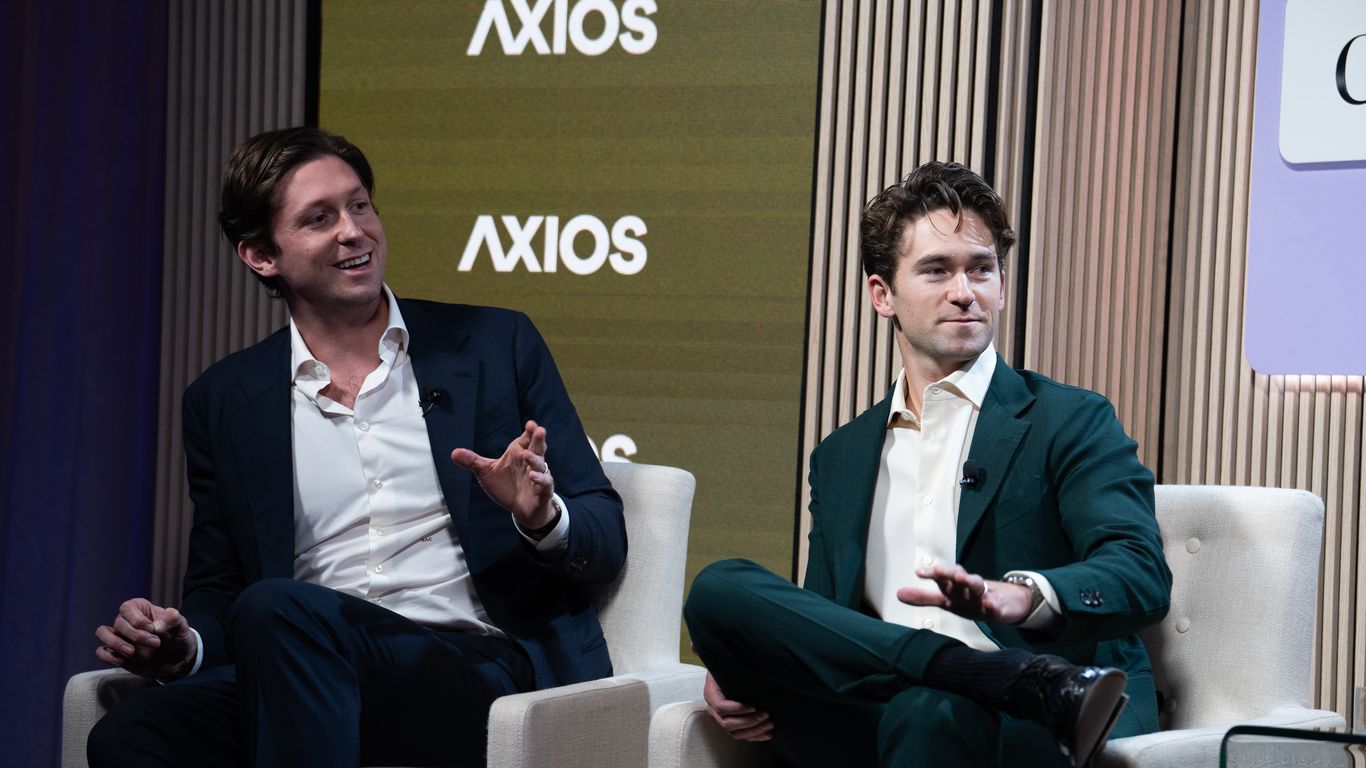
OpenAI is acquiring TBPN, the live tech/business media startup, while OpenAI also announced a $122 billion funding round at an $852 billion post-money valuation. TBPN, launched in 2024, expects $5M in ad revenue in 2025 (profitable with no outside investors) and is targeting $15M in 2026 after new hires; WSJ reports its advertising business will be wound down under OpenAI. Management says TBPN will retain editorial independence and continue daily three-hour programming, but ownership raises questions about future access to competitor guests and potential shifts toward owned-content partnerships.
A dominant AI platform bringing a high-attention tech-media channel in-house is a levered play on narrative control — not just PR. Expect a near-term reallocation of earned media value into owned-channel reach: management teams and partners will prioritize appearances where message framing is controllable, shifting incremental marketing budgets away from independent outlets into platform-native formats within 1–3 quarters.
The competitive fallout will be asymmetrical. Large platform hosts and video distributors (social/video ad buyers) are likely to capture a disproportionate share of higher-CPM video inventory, while independent publishers and mid-market broadcasters face compressed CPMs and talent-poaching risks; this favors vertically-integrated platform-adjacencies and companies that can sell enterprise-grade AI bundles that munge marketing, analytics, and distribution into one contract over 6–18 months.
Regulatory and access risks are material and time-lagged. Consolidation of influential content under a market-dominant AI vendor raises disclosure and antitrust sensitivity that could crystallize into inquiries or forced transparency measures over 12–24 months, and competitor executives may curtail participation quickly (weeks) if they perceive impartiality is compromised. As a second-order effect, enterprise buyers may accelerate vendor consolidation to minimize message friction, which would disproportionately benefit incumbents with deep channel partnerships over the next 2–4 quarters.
AI-powered research, real-time alerts, and portfolio analytics for institutional investors.
Overall Sentiment
moderately positive
Sentiment Score
0.55
Ticker Sentiment
