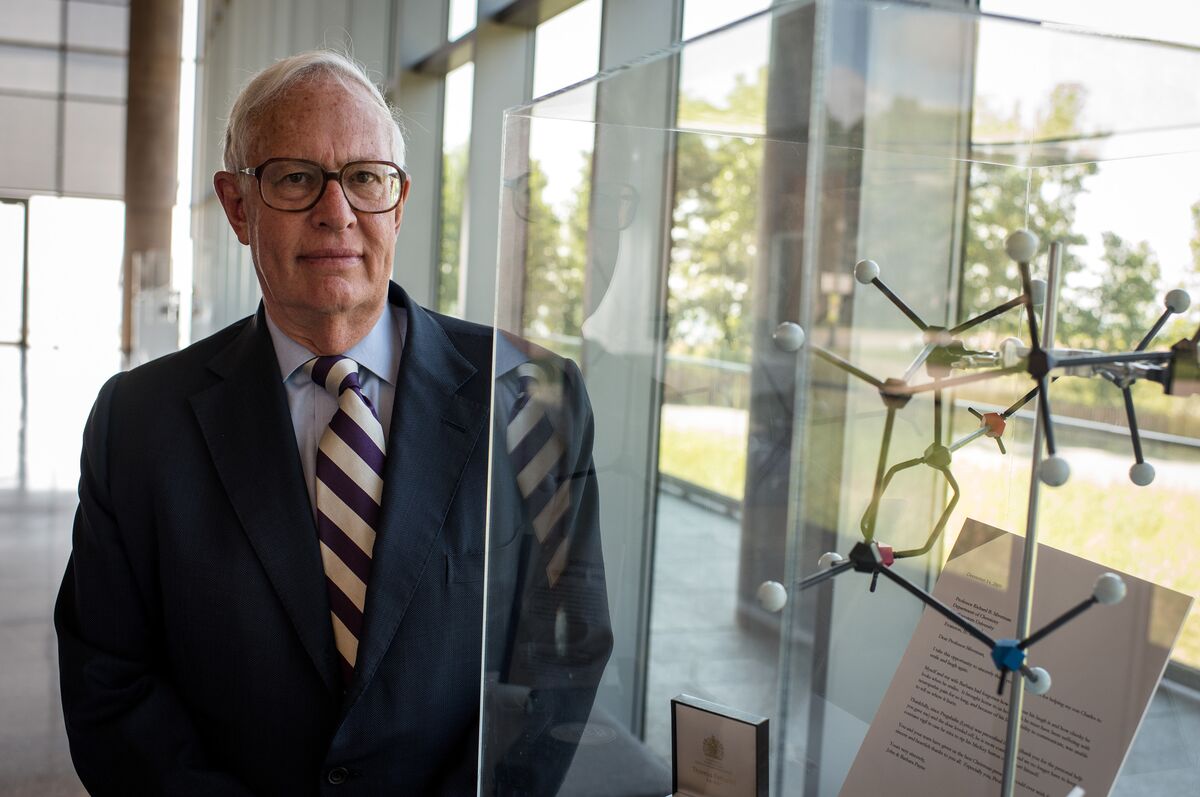
Northwestern University has appointed 86-year-old former president Henry Bienen as interim leader, following the abrupt resignation of Michael Schill, whose three-year tenure was marked by significant campus protests, a $790 million research funding freeze, and a football hazing scandal. This leadership change at a prominent institution underscores the escalating governance challenges and operational instability facing U.S. higher education, driven by widespread campus unrest and geopolitical events, which could impact long-term financial health and donor relations across the sector.
Northwestern University's appointment of 86-year-old former president Henry Bienen as interim leader highlights a significant governance crisis following the abrupt resignation of his predecessor. The departure of Michael Schill after just three years was driven by a confluence of severe operational and reputational issues, including a high-profile football hazing scandal, a politically motivated freeze on $790 million in research funding, and intense campus protests linked to geopolitical events. This leadership change is not an isolated event but rather symptomatic of a broader trend of instability affecting U.S. higher education. The recurring pattern of leadership turnover at prominent institutions suggests systemic vulnerability to both internal crises and external political pressures, which can materially impact long-term strategic planning, donor confidence, and financial stability across the sector.
AI-powered research, real-time alerts, and portfolio analytics for institutional investors.
Request DemoOverall Sentiment
neutral
Sentiment Score
0.00
