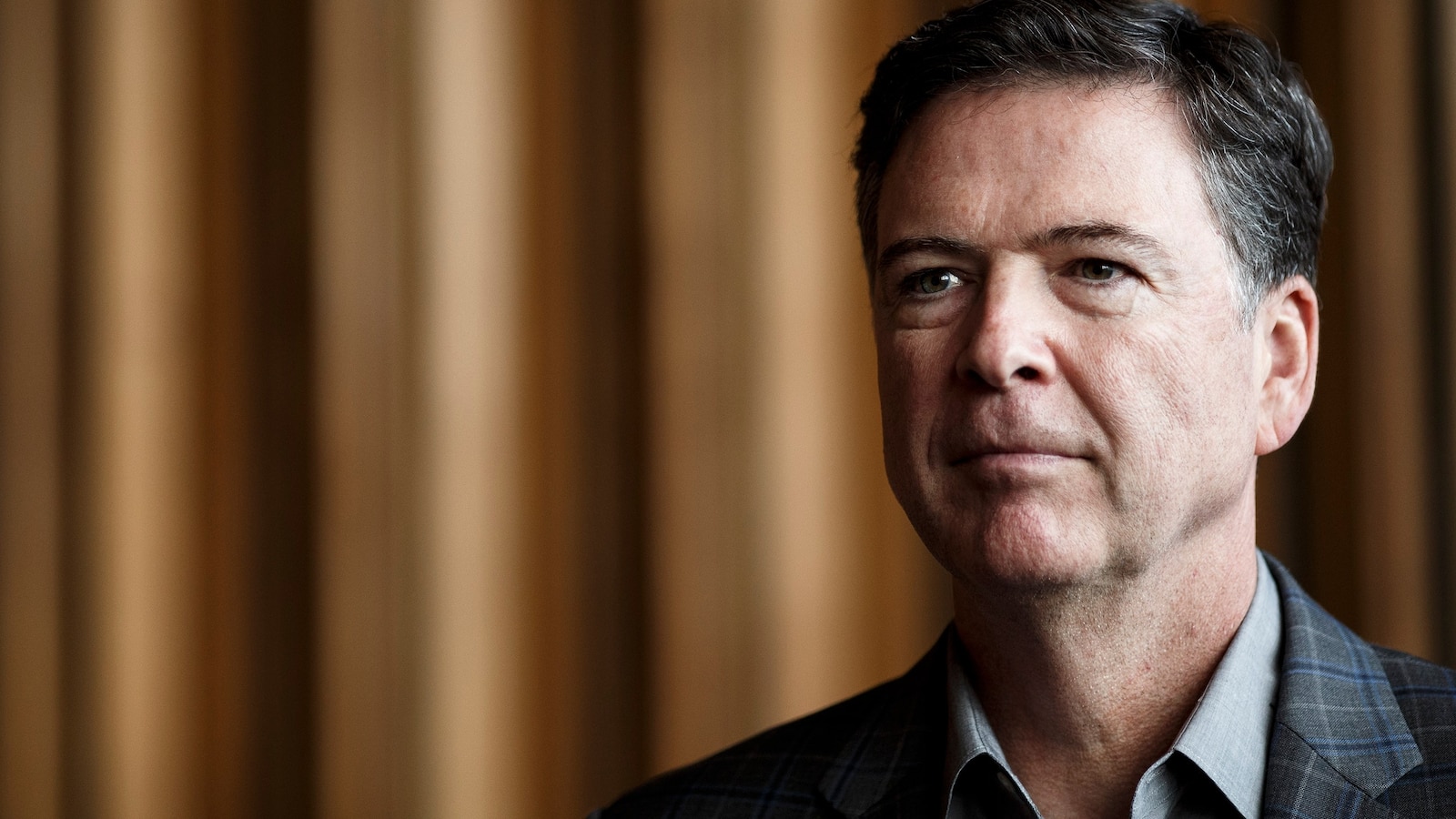
A federal judge granted the Justice Department's request to stay a magistrate judge's order that would have required production of full grand jury transcripts and recordings in the criminal case against former FBI Director James Comey, giving the government until Wednesday to file objections and Comey's team until Friday to respond; the dispute will be argued Wednesday. U.S. District Judge William Fitzpatrick had ordered disclosure after finding two prosecutor statements in the grand jury presentation that appear to be fundamental misstatements of law and flagging unexplained procedural irregularities—including indications the indictment returned in open court may not have been the same charging document presented to the grand jury—which he said could have irreversibly tainted the prosecution and raised constitutional concerns. The fight over access to grand jury materials and alleged prosecutorial missteps by Trump‑appointed U.S. Attorney Lindsey Halligan, who pursued charges after presidential pressure, now shapes whether the indictment survives pretrial challenges and underscores risks of politicization in this high‑profile case.
U.S. District Judge Michael Nachmanoff granted the Justice Department's emergency request on Monday to stay Magistrate Judge William Fitzpatrick's order that would have required production of full grand jury transcripts and a recording in the criminal case against former FBI Director James Comey, setting 5 p.m. ET Wednesday for government objections and 5 p.m. ET Friday for Comey's response and preserving scheduled oral arguments Wednesday in Alexandria. Comey pleaded not guilty in October to one count of false statements and one count of obstruction related to his 2020 Senate Judiciary Committee testimony, and the stay directly impacts whether the defense will obtain materials it argues reveal prosecutorial missteps.
Judge Fitzpatrick previously found two prosecutor statements in the September grand jury presentation that he characterized as “fundamental misstatements of the law” and flagged unexplained procedural irregularities, including evidence suggesting the indictment returned in open court may not match the charging document presented to the grand jury. The judge emphasized a “disturbing pattern of profound investigative missteps,” and the record identifies Attorney Lindsey Halligan — a Trump-appointed prosecutor who pursued the case over career prosecutors’ objections after public pressure — as central to those concerns.
Practical implications are binary and event-driven: if courts find the grand jury process tainted, the indictment could be vulnerable to dismissal or suppression of evidence, materially altering the prosecution timeline and political narrative; if the stay is reversed, disclosure could intensify defense motions. Market signals rate the story as mildly negative with limited direct market impact (market_impact_score 0.15), but the case remains a political-legal volatility source with near-term catalysts at the Wednesday oral argument and the filing deadlines this week.
AI-powered research, real-time alerts, and portfolio analytics for institutional investors.
Request DemoOverall Sentiment
mildly negative
Sentiment Score
-0.25
