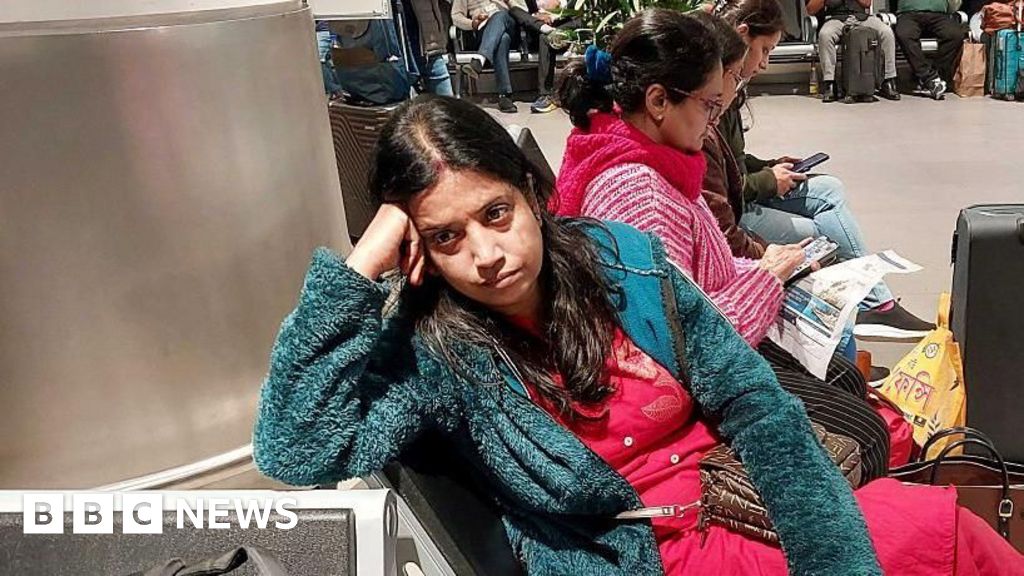
India's largest carrier, IndiGo — which holds roughly 60% market share and operates about 2,000 daily flights — grounded more than half its fleet leading to roughly 1,000–1,600 cancellations on Dec. 5, leaving hundreds of thousands of passengers stranded and triggering one of the country's worst aviation disruptions in years. The immediate cause was inadequate implementation of new DGCA crew-rostering rules (longer weekly pilot rest of 48 hours vs 36 and tighter night-landing limits), which the airline admits it failed to plan for amid cost-focused staffing and rapid expansion, and which Moody's says exposed planning gaps in an otherwise lean operating model. The fallout is material: IndiGo secured a temporary exemption until February but faces a regulator show-cause notice and a requested 5% schedule cut, falling on-time performance (68% in November vs 84% in October), share-price weakness, potential fines and higher crew costs, and criticism from pilot groups that the exemption undermines safety — developments that create short-term financial strain and risk lasting reputational and market-share damage as competitors add capacity to capture displaced passengers.
IndiGo — India's largest carrier with roughly 60% domestic market share and about 2,000 daily flights — suffered a sudden operational collapse after failing to fully implement new DGCA crew-rostering rules, triggering a wave of cancellations. The regulator-mandated changes include longer weekly pilot rest (48 hours versus 36) and tighter night-landing limits (two versus six); the airline acknowledged it was not in a position to comply in time and cited "unforeseen operational challenges." Pilots and industry commentators attribute the disruption to planning gaps and a cost-focused staffing model that left the network under-resourced for the new rules.
On 5 December isolated delays escalated to roughly 1,000–1,600 cancellations, Moody's reported more than half the fleet grounded, and reported on-time performance fell to 68% in November from 84% in October. Immediate consequences include mass passenger disruption, increased refund/compensation exposure, share-price weakness, a DGCA show-cause notice, a requested 5% schedule cut and a short exemption until February that has drawn safety criticism. Moody's warns of material financial damage from lost revenue and higher crew costs as the carrier undergoes a system-wide reboot.
The incident exposes structural risk in IndiGo's lean operating model: while efficient in stable conditions, it lacked resilience for regulatory change and now faces potential long-term reputational and market-share erosion as competitors (Air India, SpiceJet) add capacity. Recovery depends on demonstrable operational stability, successful hiring/rostering adjustments, and regulator outcomes — factors that could take months to years to restore passenger trust and margin profile. Investors should treat near-term financials and demand trajectories as highly uncertain pending DGCA actions and visible improvement in on-time and cancellation metrics.
AI-powered research, real-time alerts, and portfolio analytics for institutional investors.
Request DemoOverall Sentiment
strongly negative
Sentiment Score
-0.70
