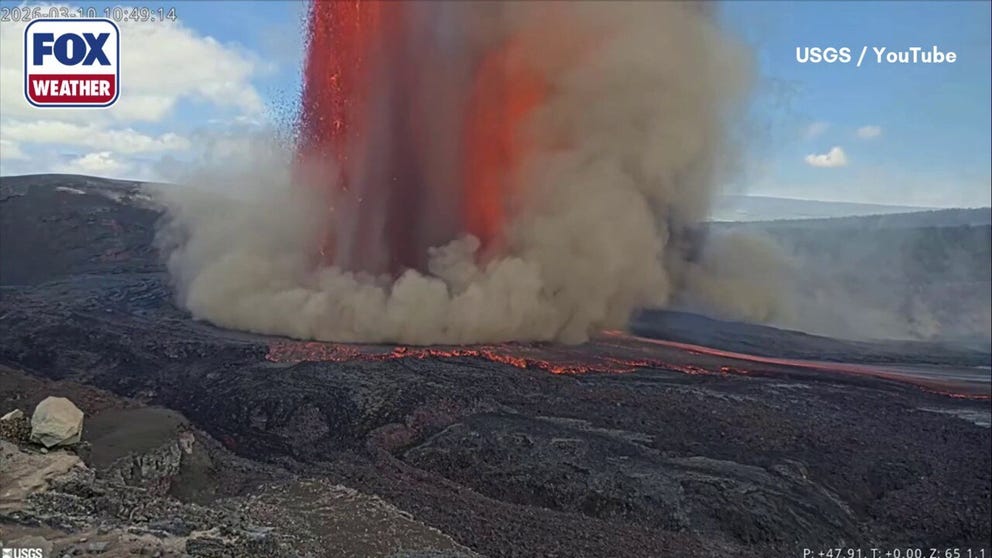
Mount Kīlauea erupted for the 43rd time with lava fountains from two vents over 1,000 ft and tephra reported up to 5-inch fragments; ash plumes exceeded 25,000 ft. The National Weather Service issued an Ashfall Warning with expected accumulation >0.25 inches through 6 a.m. Sunday, the Kīlauea summit and a portion of Highway 11 are closed, and one person died after entering a closed area. Officials advise sealing windows/doors and covering air intakes and water sources; significant localized travel, park access and infrastructure disruptions are likely from ash, lahar and lava flow hazards.
The immediate market reaction will be localized but non-linear: short-term demand destruction in Hawaii (airline seats, hotels, ground transport) compresses regional revenue for 2–8 weeks while logistics frictions (port slowdowns, reroutes, demurrage) can persist 4–12 weeks as vessels and trucks rebalance. That staggered disruption creates transient capacity tightness in Pacific freight lanes and spot-air cargo, which can lift rates for carriers with flexible routing and spare aircraft/space.
Insurance and reinsurance headline risk is asymmetric — retail catastrophe claims are headline-grabbing but likely small relative to global reinsurer balance sheets; however secondary effects (business interruption for small island operators, municipal cleanup contracts) can crystallize slowly and produce credit stress for levered local issuers over 3–12 months. Expect public-sector cleanup and FEMA-style funding to blunt private losses but to channel work to heavy-equipment and civil contractors, creating a duration-shift from consumer-facing hurt to industrial activity gains.
Market consensus will likely overindex on travel ETFs and headline hotel names; the smarter play is granular: regional carriers, freight providers into Hawaii, and local hospitality REITs will show differentiated P&L impacts. The real alpha window is in 1–3 month volatility in affected names and 3–12 month operational winners (equipment, selected shippers) who pick up incremental, multi-month cashflows from cleanup and rerouting.
Watch catalysts: ash trajectory and runway/port reopenings (days–weeks), insurance claim aggregation (4–12 weeks), and state/federal cleanup contracts (2–6 months). A faster-than-expected reopening will snap back tourism demand and punish near-term shorts; conversely, protracted ash/smoke episodes or additional summit instability would extend the logistics squeeze and magnify benefits to industrial contractors and shippers with capacity exposure.
AI-powered research, real-time alerts, and portfolio analytics for institutional investors.
Request DemoOverall Sentiment
mildly negative
Sentiment Score
-0.35
