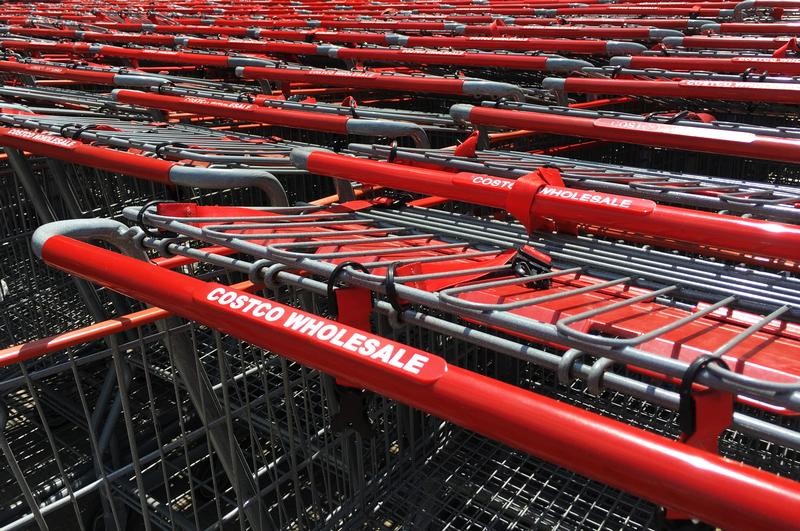
Costco has moved to dismiss a proposed class action seeking refunds for tariff-related price increases, arguing the suit is speculative and that no refunds have been received yet. The case centers on potential reimbursement of tariffs collected under the International Emergency Economic Powers Act, but the timing, amount, and customer linkage of any refunds remain unclear. The news is primarily legal in nature and is unlikely to have a near-term material impact on COST shares.
This is less about the lawsuit itself and more about balance-sheet optionality across the retail sector. If tariff refunds get distributed on a meaningful lag, the economic benefit accrues to the company first and only becomes a customer liability if courts force pass-through, which creates a time-value spread that can quietly support liquidity and buyback capacity in the interim. The market should treat this as a low-probability, medium-duration governance overhang rather than a near-term earnings event. The second-order dynamic is competitive, not legal. Large retailers with sophisticated customs and tax teams are better positioned to monetize tariff recoveries, while smaller peers may lack the scale to pursue claims or defend consumer class actions if plaintiffs try to establish precedent. That could widen the gap between best-in-class operators and price-led merchants, especially if litigation pushes companies to simplify post-tariff pricing or tighten disclosures around rebates and vendor recoveries. The main tail risk is precedent: if the court entertains the theory that downstream customers have a claim on upstream tariff refunds, it invites a wave of copycat litigation across categories with imported private-label goods. That would not just hit margins; it could force operational changes in pricing systems, refund accounting, and customer communications over the next 6-18 months. Conversely, a quick dismissal would remove an uncertainty discount and reinforce that tariff refunds are a corporate asset, not a consumer pass-through. Consensus likely underestimates how asymmetric the outcome is. The downside to COST from this issue is capped unless the company has already booked material refundable receivables, while the upside from dismissal is incremental but broad: cleaner optics, less legal noise, and a modest valuation support for a premium multiple name. If anything, the event is more relevant as a template for how future tariff-related recoveries could be litigated than as a direct hit to near-term fundamentals.
AI-powered research, real-time alerts, and portfolio analytics for institutional investors.
Request DemoOverall Sentiment
neutral
Sentiment Score
-0.10
Ticker Sentiment
