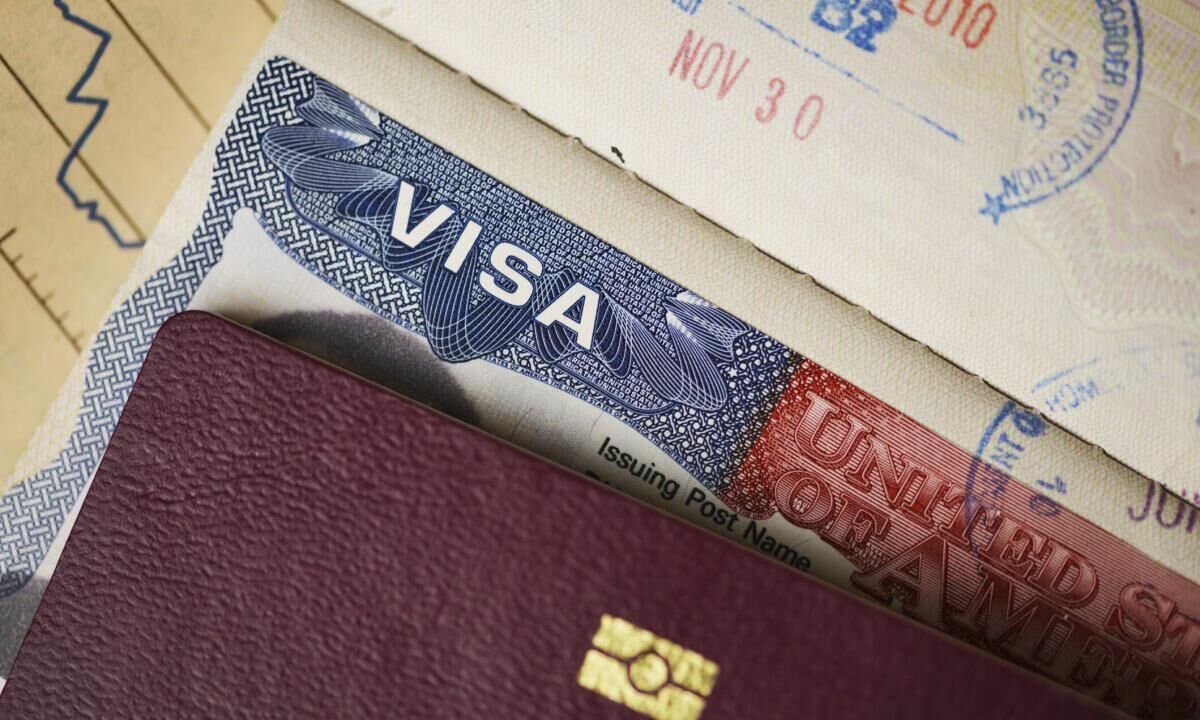
President Trump is expected to implement a new policy requiring a $100,000 fee for H-1B visa petitions, a significant increase aimed at curbing perceived program abuse and protecting US workers. This measure will substantially raise costs for US companies that rely on the H-1B program to hire college-educated foreign workers in specialized occupations, potentially impacting talent acquisition strategies and operational expenses across affected industries.
The Trump administration is expected to introduce a significant overhaul of the H-1B visa program by imposing a new $100,000 fee per petition. This policy, justified by the White House as a measure to prevent the displacement of US workers, represents a material increase in the cost of hiring college-educated foreign talent for specialized occupations. The proposal carries a high market impact score (0.7) and a strongly negative sentiment score (-0.75), reflecting its potential to disrupt corporate talent acquisition and increase operational expenses. While no specific companies are mentioned, industries that are heavily reliant on the H-1B program, such as technology, engineering, and specialized services, will be most affected. This regulatory shift essentially functions as a substantial tariff on skilled labor, which could alter the competitive landscape by disproportionately impacting firms with a high dependence on foreign workers for innovation and operations.
AI-powered research, real-time alerts, and portfolio analytics for institutional investors.
Request DemoOverall Sentiment
strongly negative
Sentiment Score
-0.75
