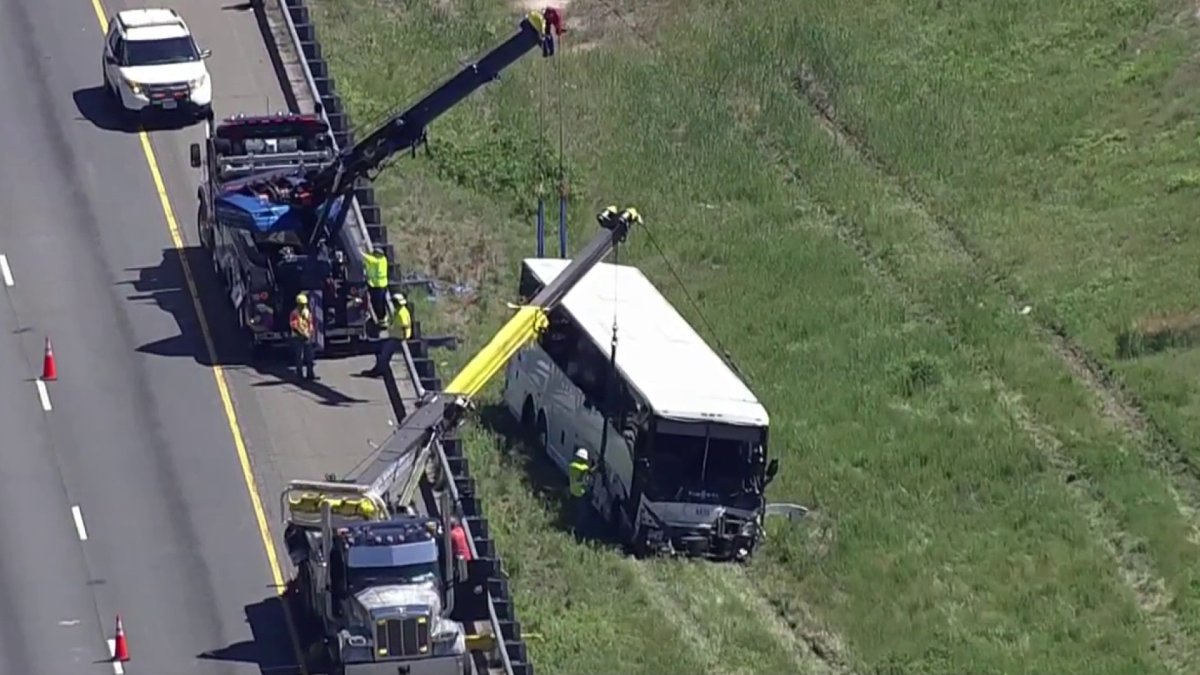
A bus crash on Interstate 95 in Virginia killed 5 people and injured 44 others after the vehicle struck cars in a work zone around 2:30 a.m. The Transportation Department is investigating the driver’s history and New York’s licensing process, while charges are pending against the injured bus driver. The article raises regulatory and legal scrutiny for bus operators and state licensing authorities, but the direct market impact appears limited.
This is not a first-order earnings event for public equities, but it is a clear signal that the political/regulatory overhang on passenger transport is worsening. The most immediate market impact is higher compliance cost and slower driver onboarding across bus, coach, and contract transport operators, which can tighten already-weak labor supply and force wage inflation, retraining, and more conservative dispatching. That tends to hurt smaller operators disproportionately because they lack scale to absorb credentialing, legal, and insurance friction.
The second-order risk is insurance repricing. Even a single high-profile fatality tied to licensing and training can push carriers into higher premiums, larger deductibles, and stricter underwriting on state lines and charter routes. That pressure ultimately flows into margins for fleet operators, school bus contractors, and logistics firms with passenger exposure, while software/compliance vendors and telematics providers benefit from a longer procurement cycle around training, language verification, and electronic records.
Catalyst timing matters: headlines will fade in days, but regulatory response can persist for months, especially if states are targeted for licensing audits or federal standards are tightened. The near-term tradeable path is through transport names with thin operating margins and meaningful exposure to driver availability, not through broad transportation indices. The contrarian angle is that markets may overestimate the probability of sweeping federal change; absent a broader legislative push, the practical outcome is often incremental enforcement rather than a structural ban, which limits downside beyond the initial sentiment shock.
AI-powered research, real-time alerts, and portfolio analytics for institutional investors.
Request TrialOverall Sentiment
strongly negative
Sentiment Score
-0.75
