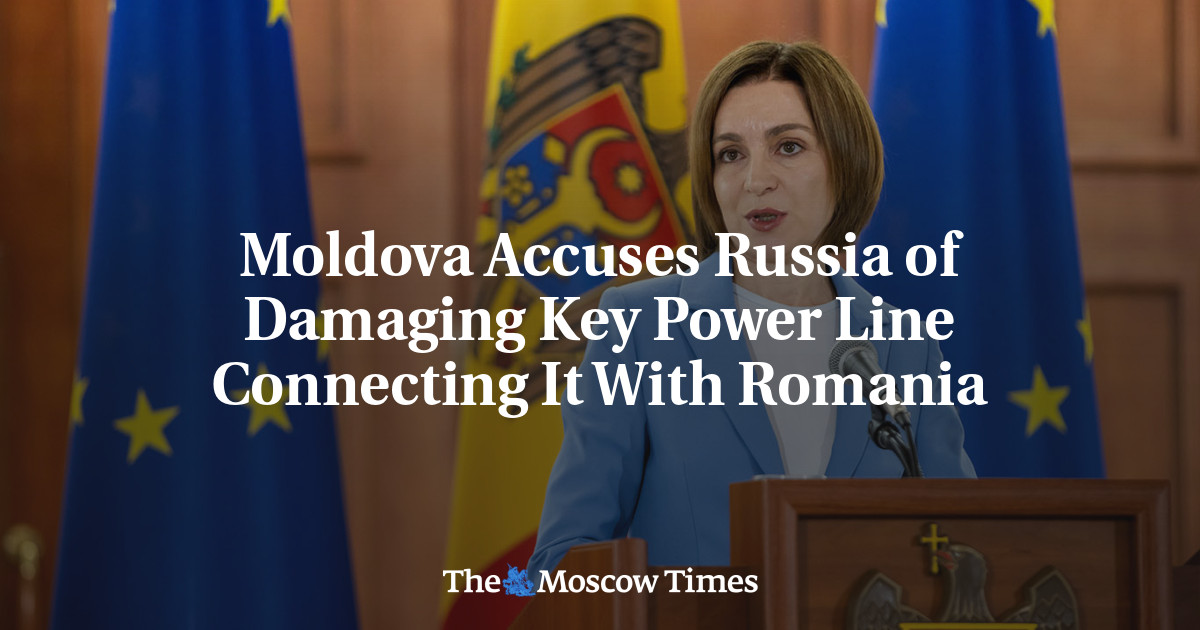
Key event: the Issacea-Vulcanesti power line linking Moldova to Romania/Europe was damaged by overnight Russian strikes in Ukraine, disconnecting Moldova's primary electricity link. The government says four alternative interconnection lines are being used but the supply route remains fragile and is urging reduced electricity use during peak hours to avoid overloads. Moldova's foreign ministry condemned the attacks; the same line experienced disruptions in January when Ukraine and Moldova suffered outages.
This event should be read as an amplifier of two underpriced frictions: (1) cross-border transmission spare capacity in Southeastern Europe is thin and non-linear — losing a single major corridor can produce short, sharp locational price spikes during peak windows that cascade into neighbouring markets; (2) targeted damage to energy infrastructure accelerates capex and political prioritization for redundancy, not just temporary dispatch changes. Expect prompt regional power spreads to widen by meaningful multiples versus baseload for days-to-weeks around outages, while the policy response (EU grants, emergency interconnector funding) plays out over quarters.
In the near term (days–weeks) the dominant mechanism is constrained physical flows forcing higher utilisation of local thermal/gas-fired plants and emergency imports, so gas and peaker plant margins should re-rate first. Over 3–12 months, the higher-probability structural outcome is faster capital allocation to transmission, substations and submarine/overland cables — beneficiaries are equipment vendors and project-capex-rich utilities; downside is to merchant-only retailers and any sovereign or corporate balance sheets with concentrated Moldova/Ukraine exposure.
Tail risks: if strikes are sustained or repair windows lengthen into months, insurance blows up, equipment lead times extend (12–24+ months) and regional credit spreads widen, producing a longer inflationary impulse in power and gas markets. Reversal triggers include rapid battlefield stabilization/repairs within days or a weather-driven drop in demand; policy responses (large EU emergency shipments or coordinated gas releases) could also compress premiums within weeks.
AI-powered research, real-time alerts, and portfolio analytics for institutional investors.
Overall Sentiment
moderately negative
Sentiment Score
-0.45
