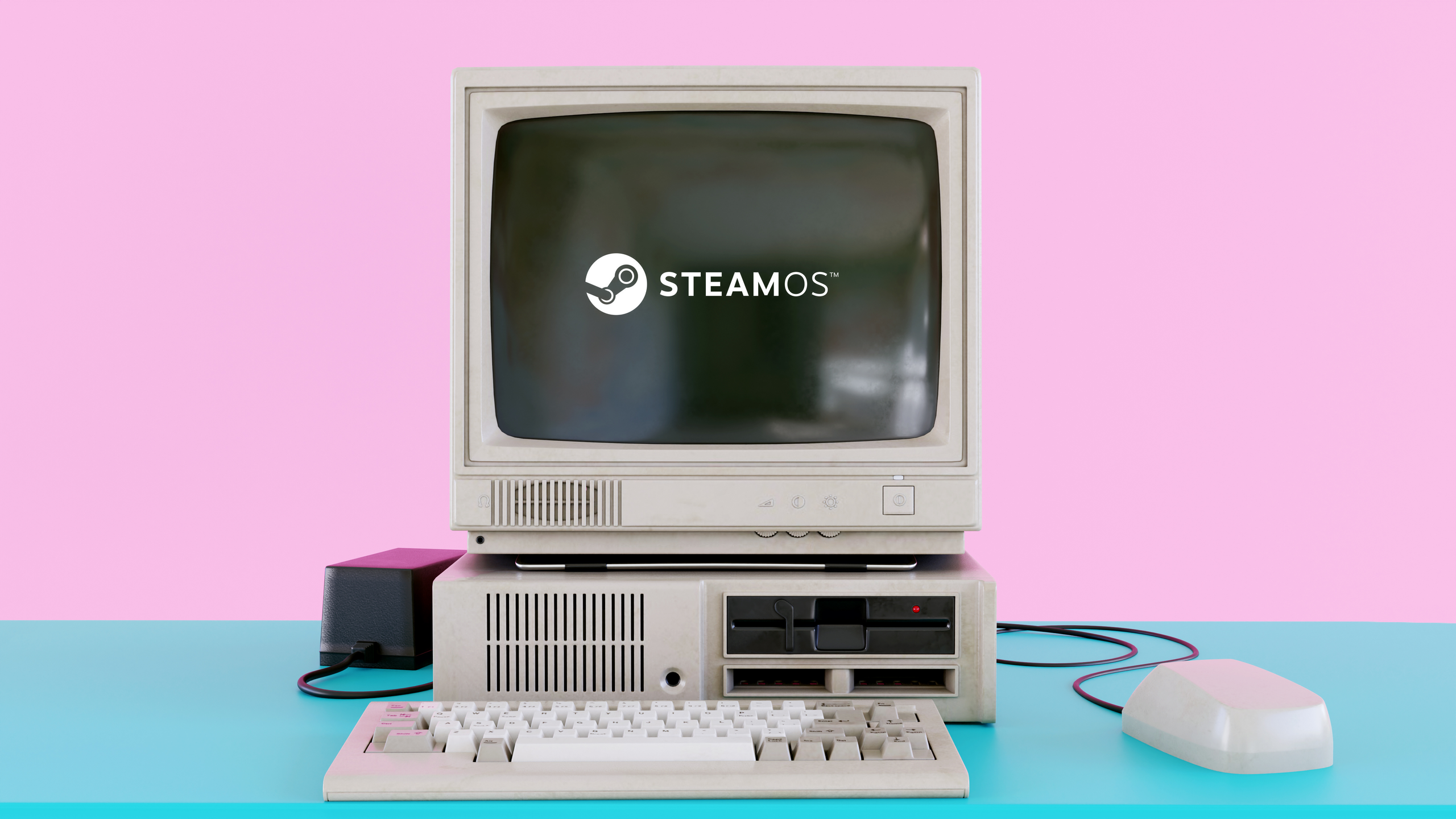
Valve’s Steam ecosystem — anchored by SteamOS (2014), the Proton compatibility layer and the Steam Deck — has eroded a core Windows advantage by allowing Windows games to run on Linux and proved a viable alternative to Windows-based gaming; Steam already commanded roughly 75% of PC game sales by 2013. Microsoft has publicized incremental Windows 11 gaming fixes (Xbox full‑screen experience, Advanced Shader Delivery expansion and an OS‑level Auto SR upscaling feature) but the author argues these amount to surface-level patches against persistent UX, stability and bloat issues, especially on handheld devices. For investors, the piece signals a credible risk to Microsoft’s PC‑gaming franchise and hardware/software lock‑in: failure to deliver substantive OS improvements could accelerate migration to Valve’s SteamOS ecosystem and shift economics across PC gaming hardware and distribution channels.
Valve’s Steam ecosystem has materially eroded Windows’ historical advantage in PC gaming: Steam achieved roughly 75% of PC game sales by 2013, and SteamOS (launched 2014), the Proton compatibility layer and the Steam Deck have removed the requirement to run Windows to play many Windows-native titles. Proton’s ability to run Windows games on Linux and the Steam Deck’s demonstration of a console-like, SteamOS-powered experience are cited as the pivotal shifts that undermined Microsoft’s platform lock-in.
Microsoft has responded with incremental Windows 11 gaming initiatives — the Xbox full-screen experience (FSE), expansion of Advanced Shader Delivery (ASD) and a planned OS-level Auto SR upscaling feature — but the author characterizes these as superficial fixes rather than structural remedies. The piece documents ongoing Windows 11 UX and stability problems (annoying pop-ups, crashes, bloat) on handheld devices and warns Microsoft is prioritizing AI features over fundamental OS improvements.
Investment implications are clear: there is credible downside risk to Microsoft’s PC-gaming franchise and store leverage if Valve’s SteamOS and new Steam Machines accelerate adoption, while GPU/upscaling vendors (Nvidia, AMD, Intel) may capture demand tied to performance and AI upscaling competition. The market reaction should hinge on measurable evidence of Windows 11 stability improvements and demonstrable adoption metrics for Valve’s alternatives before revising long-term convictions on MSFT’s gaming exposure.
AI-powered research, real-time alerts, and portfolio analytics for institutional investors.
Request DemoOverall Sentiment
moderately negative
Sentiment Score
-0.45
Ticker Sentiment
