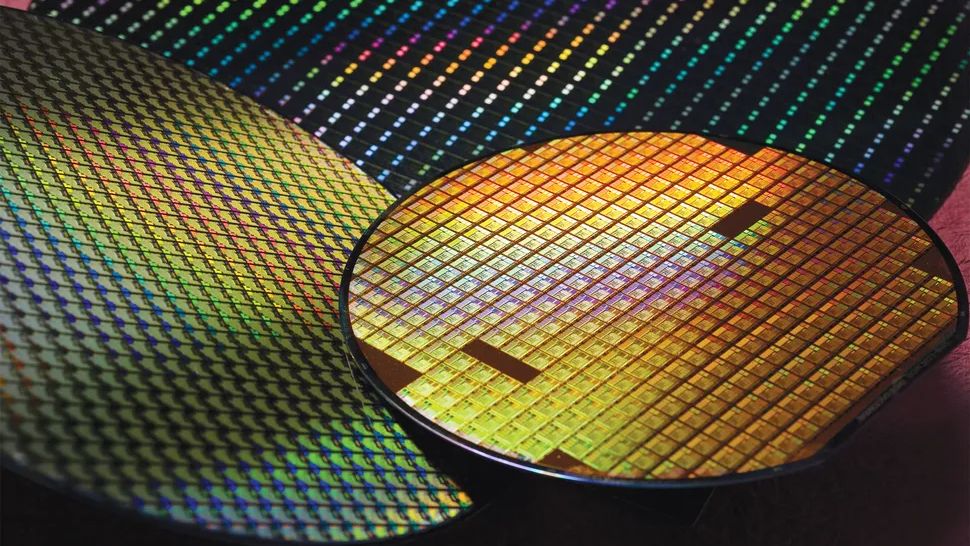
A legal and operational standoff between Nexperia’s Netherlands head office and its Wingtech‑owned China unit has prompted the Dongguan fab to qualify domestic 8‑inch and 12‑inch wafer suppliers over the next six to nine months (targeting completion in Q1–Q2 2026) after wafer shipments and internal transfers were suspended. The Dongguan site, which historically accounted for roughly 70% of Nexperia’s output, has still delivered >11 billion chips since mid‑October but reflects a ~14% drop versus pre‑dispute annual production (>110 billion devices), and shortages have already forced temporary auto plant stoppages (notably Honda) with further shutdowns slated into early 2026. The dispute sits amid heavy government intervention—the Netherlands invoked the 1952 Goods Availability Act, China imposed export controls, the CEO was removed and voting rights placed under an independent administrator—and Wingtech has signaled potential international arbitration claims up to $8 billion ahead of a Dutch court hearing in January.
Market structure: Winners are large IDMs and power-semiconductor specialists able to absorb displaced Nexperia demand (Infineon IFNNY/IFX.DE, STMicro STM, ON Semiconductor ON) and wafer foundries/equipment suppliers that can scale 8/12-inch capacity; losers are Nexperia/Wingtech (private), exposed auto OEMs (e.g., HMC, F, GM) and Tier-1 suppliers (APTV) facing immediate assembly stoppages. The shortfall (Dongguan historically ~70% of Nexperia output; current output down ~14%) implies tightened 8"/12" power-wafer supply and 3–9 month elevated lead times, supporting near-term price power for remaining suppliers.
Risk assessment: Tail risks include escalation to broader export controls or seizure extension (political/legal) causing multi-quarter supply shocks and ~20–40% price moves in targeted discretes; counter-tail is rapid legal resolution within 30–90 days restoring flows. Time horizons split cleanly: days–weeks = automaker shutdown risk and elevated equity/credit volatility; months (Q1–Q2 2026) = wafer-qualification and capacity reallocation; years = supply-chain re-shoring and structural industry bifurcation. Hidden dependencies include packaging/test capacity and single-sourced submodules that can bottleneck recovery even if wafers are supplied.
Trade implications: Tactical alpha favors long select power-semiconductor equities/ETF (IFNNY/IFX.DE, STM, SOXX) and underweight/short auto suppliers and exposed OEMs (APTV, HMC) for 1–9 month windows. Option plays: buy 6-month calls on IFNNY (5–10% OTM) for convex exposure to pricing reversion and buy 1–3 month puts on HMC/APTV (≈5% OTM) to hedge near-term plant stoppages. Entry window: act within 2–8 weeks while uncertainty and vols remain elevated; exit or trim if Netherlands court rules in favor of Dutch HQ within 30 days or if Nexperia China reports wafer-gap <10%.
Contrarian angles: Consensus underestimates the chance that Chinese fabs fail qualification, which would make shortages structural and favor longer-duration long positions in IDMs and equipment (ASML ASML) beyond 12 months. Conversely, panic on OEM equities may be overdone—Nexperia still delivered >11bn chips since mid‑October (only ~14% drop), so short-term squeezes/rebates are possible; avoid outright large-cap auto shorts beyond tactical put hedges. Historical parallels (2011 Japanese quake) show supply shocks can reverse within 6–12 months once alternative capacity and overtime are deployed, so scale positions with catalyst-driven tranche rules.
AI-powered research, real-time alerts, and portfolio analytics for institutional investors.
Request DemoOverall Sentiment
moderately negative
Sentiment Score
-0.60
