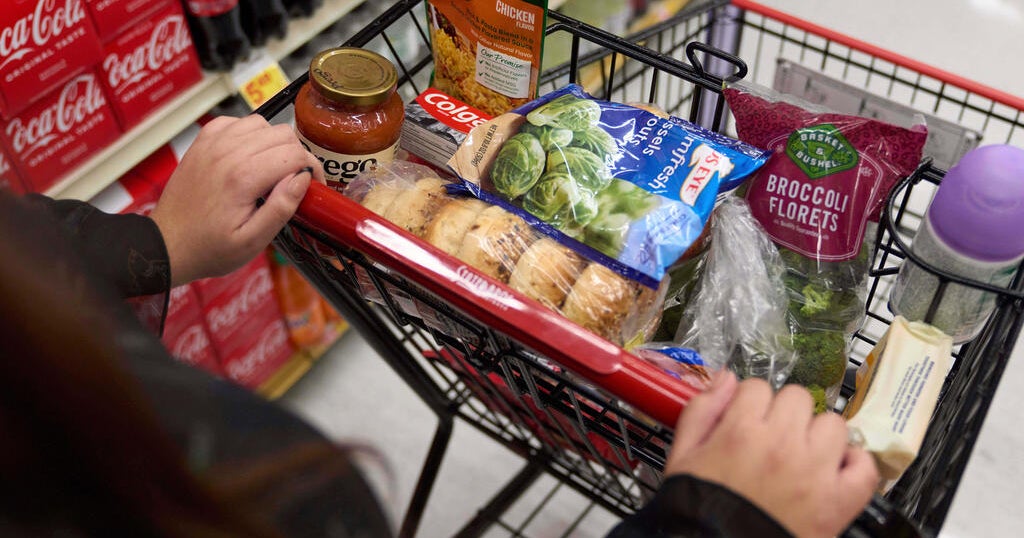
The U.S. Department of Agriculture (USDA) has announced that federal Supplemental Nutrition Assistance Program (SNAP) benefits, which support approximately 1 in 8 Americans, will not be issued starting November 1 due to the ongoing government shutdown, as the Trump administration declined to utilize $5 billion in contingency funds. This decision significantly broadens the shutdown's economic and social impact, threatening food security for millions and potentially disrupting consumer spending patterns, particularly within the food retail sector, while states face unreimbursed costs if they attempt to bridge the funding gap. The impasse underscores heightened political risk and potential social instability stemming from the prolonged government funding dispute.
The U.S. Department of Agriculture (USDA) has announced that Supplemental Nutrition Assistance Program (SNAP) benefits will cease on November 1, impacting approximately 1 in 8 Americans. This decision follows the Trump administration's refusal to utilize $5 billion in contingency funds, despite the ongoing government shutdown, now the second-longest on record. The immediate cessation of benefits significantly broadens the shutdown's economic and social impact, directly threatening food security for millions.
This development introduces substantial political risk, exacerbating the impasse between the administration and Congress over government funding. The USDA's stance that contingency funds are legally unavailable for regular benefits, reserving them for disaster relief, further complicates potential resolutions. States attempting to bridge the funding gap for SNAP recipients face unreimbursed costs, creating fiscal strain at the local level.
The cessation of SNAP benefits is expected to disrupt consumer spending patterns, particularly within the food retail sector, as highlighted by the "Consumer Demand & Retail" theme. With a "strongly negative" sentiment and a "market impact score" of 0.55, this situation signals potential downside for grocery chains and consumer staples, reflecting reduced purchasing power for a significant segment of the population. The lack of specific company tickers suggests a broad, systemic impact rather than isolated corporate risk.
AI-powered research, real-time alerts, and portfolio analytics for institutional investors.
Request DemoOverall Sentiment
strongly negative
Sentiment Score
-0.75
