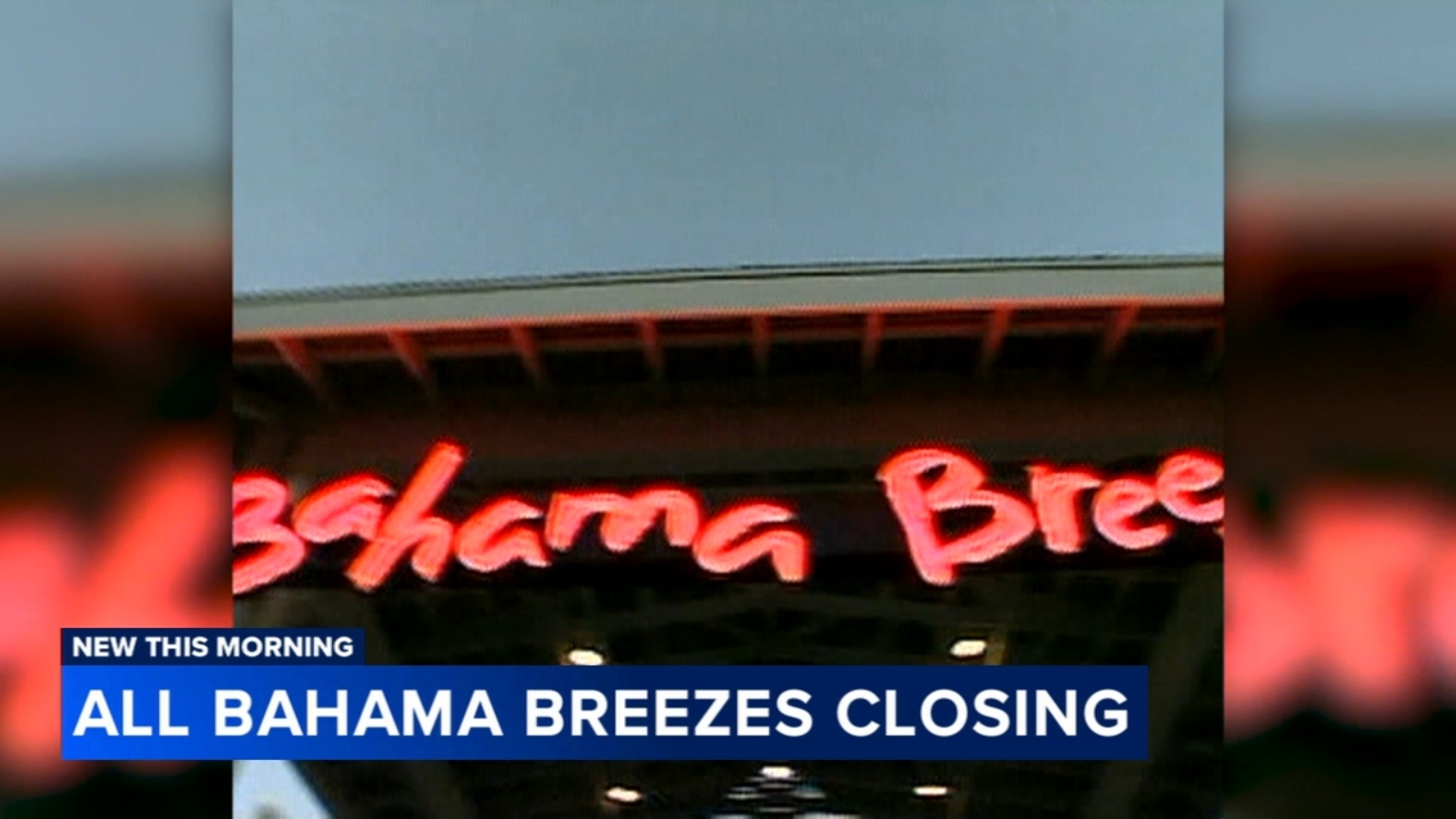
Darden Restaurants is winding down its Bahama Breeze chain, closing the remaining 28 locations with half shutting permanently and 14 to be converted to other Darden brands over the next 12–18 months; final operations end April 5 with closures across multiple states and conversions concentrated around Orlando. The move follows an abrupt prior closure of one-third of locations and comes amid softer consumer demand driven by inflation, even as Darden’s other casual brands (Olive Garden and LongHorn) reported positive same-store sales and Darden’s stock has risen about 8% year-to-date. Management says it will try to reassign affected team members within the portfolio, and has not yet disclosed which brands will replace the conversion sites.
Market structure: Darden (DRI) is the clear beneficiary — 28 closures with 14 conversions (over 12–18 months) frees scarce real estate and labor to redeploy into higher-performing Olive Garden/LongHorn-style concepts, likely adding 1–3 percentage points to system-level EBITDA margin within 12–24 months if conversions average typical chain uplift. Losers are niche/theme competitors and some landlords facing temporary vacancy/abatement costs; lower/middle-income chains that rely on discretionary spend will continue to lose share as inflation compresses baskets.
Risk assessment: Immediate (days) risk is modest volatility around the April 5 closure date and press coverage; short-term (weeks–months) risks include lease termination charges, labor reallocation failure and one-off impairments; long-term (quarters–years) risk is macro demand erosion — a sustained consumer cutback (>3% SSS decline across full-service peers) would negate benefits. Tail risks: large localized cannibalization if conversions cluster (Orlando x10) or an unexpected labor strike; watch lease liability disclosures and Qs that widen EBITDA guidance by ±200bps.
Trade implications: Primary trade is long DRI exposure to capture real-estate conversion optionality and multiple expansion; consider paired short exposure to midscale casual peers (e.g., Brinker EAT) where share loss is likeliest over 6–12 months. Use limited-risk option structures (vertical call spreads or buy-writes) to express bullishness around brand announcement windows; size positions 1–3% of portfolio and scale on conversion-brand reveal or positive comp prints.
Contrarian angles: Consensus frames this as a shuttering loss; the stock reaction may underprice conversion optionality and labor redeployment savings — real asset re-use can drive accelerated ROI and 10–25% upside if DRI names new brands that already report positive SSS. Monitor unintended consequences: localized oversupply, wage inflation, or better-than-expected competitive responses that could halve expected gains.
AI-powered research, real-time alerts, and portfolio analytics for institutional investors.
Request DemoOverall Sentiment
mixed
Sentiment Score
0.00
Ticker Sentiment
