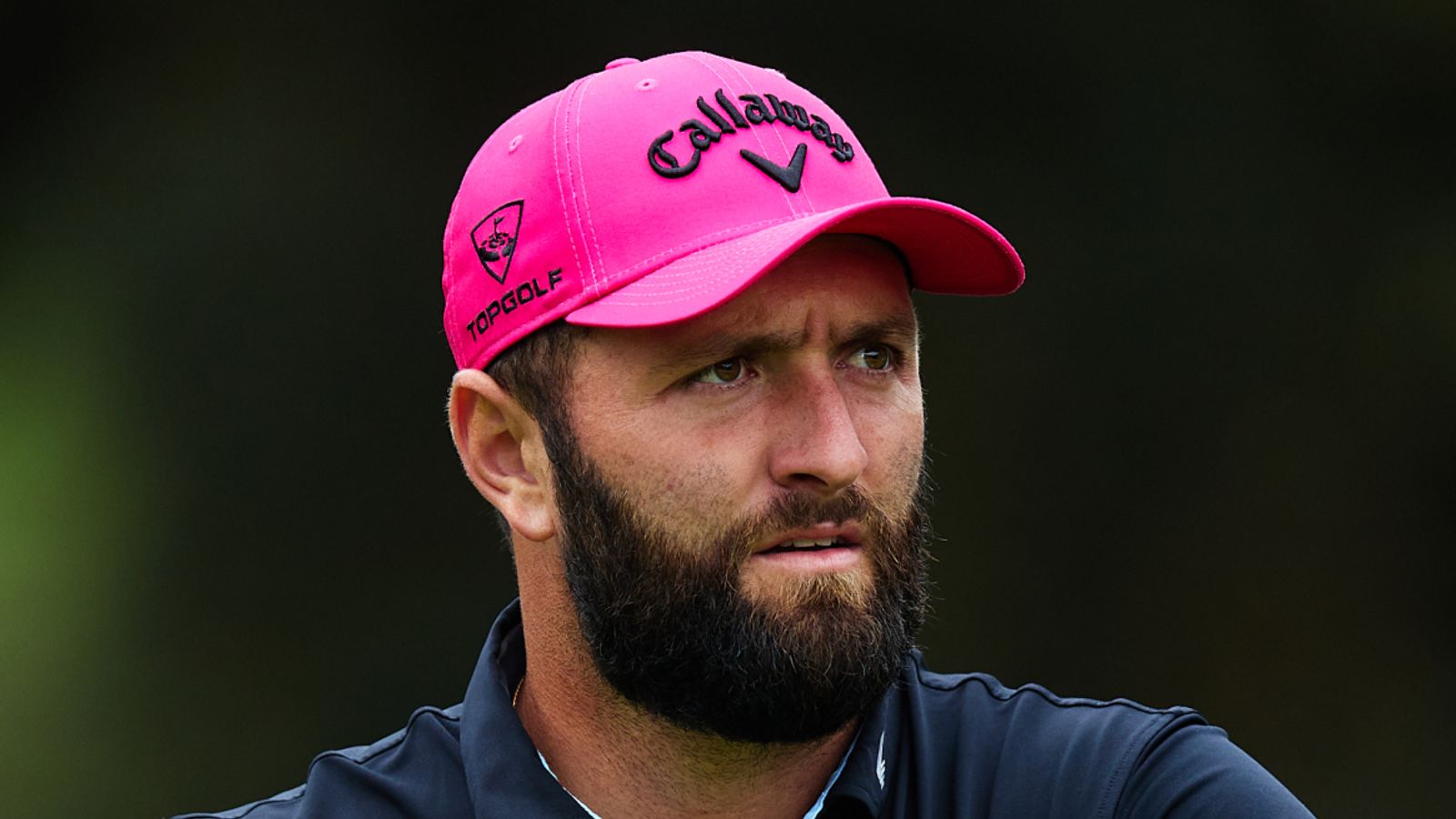
Jon Rahm has refused to sign a DP World Tour release that would allow him to play LIV Golf events under current conditions, calling the tour's demands 'extortion' and disputing a requirement to play a minimum of six DP World Tour events (he offers to sign for four). Rahm—who faces alleged fines of about £2.5m for breaching membership rules—says he will pay to play in the Ryder Cup but not to retain DP World Tour membership; eight other players accepted releases only after agreeing to pay fines, withdraw appeals and undertake extra tournament/media obligations. The standoff raises governance, contractual and reputational risks for the tour, with potential implications for player relations, sponsorship commitments and Ryder Cup team composition.
Market structure: The standoff increases fragmentation of live golf inventory — winners are non-traditional rights holders and wagering platforms that can monetize more, losers are established European tour rights holders and linear broadcasters that rely on star-driven ratings. Expect a modest re-pricing: rights value pressure of ~5–20% over 12–24 months if stars stay split, and incremental demand for alternate distribution (streaming, direct-to-consumer) rises. Cross-asset: negligible macro FX/commodity impact; small positive theta for sports-betting equity-volatility and incremental ticket/travel flows to LIV events (benefit to travel/leisure capex +2–5% seasonally around events).
Risk assessment: Tail risks include regulatory crackdown on Saudi-backed LIV (low-probability, high-impact), legal injunctions forcing reintegration, or sponsors withdrawing (each could move related equities ±20–40% within weeks). Immediate (days): headlines drive short-term ticket/odds volatility; short-term (weeks–months): sponsor and rights-renegotiation signals; long-term (quarters–years): structural rights fragmentation and permanent discounting. Hidden dependencies: sponsor covenants, broadcaster renewal timetables, and Ryder Cup selection rules; catalysts are settlement talks, Ryder Cup roster announcements, and sponsor statements within 30–90 days.
Trade implications: Favor selective, small exposure to sports-betting operators (DKNG, PENN) and equipment makers (GOLF) that monetize event volume; hedge media exposure (WBD/CMCSA) where European linear rights face downside. Use 3–6 month directional exposures sized 0.5–2% of portfolio and options to buy volatility around key catalysts (Ryder Cup roster, DP tour settlements). Pair trades: long DKNG/PENN, short WBD (or short European broadcaster ETF) to express bifurcation.
Contrarian angles: Consensus treats this as headline noise; if fragmentation persists it can raise total monetizable events (more betting/micro-rights) — underappreciated upside for digital-first distributors and niche sponsors. Reaction may be underdone in betting equities and overdone in European rights holders; historical parallel: PGA/PGA Tour splits in other sports where alternative leagues created durable secondary marketplaces. Unintended consequence: protracted fights could accelerate direct-to-consumer pivot, concentrating future upside in platforms, not legacy broadcasters.
AI-powered research, real-time alerts, and portfolio analytics for institutional investors.
Request TrialOverall Sentiment
moderately negative
Sentiment Score
-0.35
