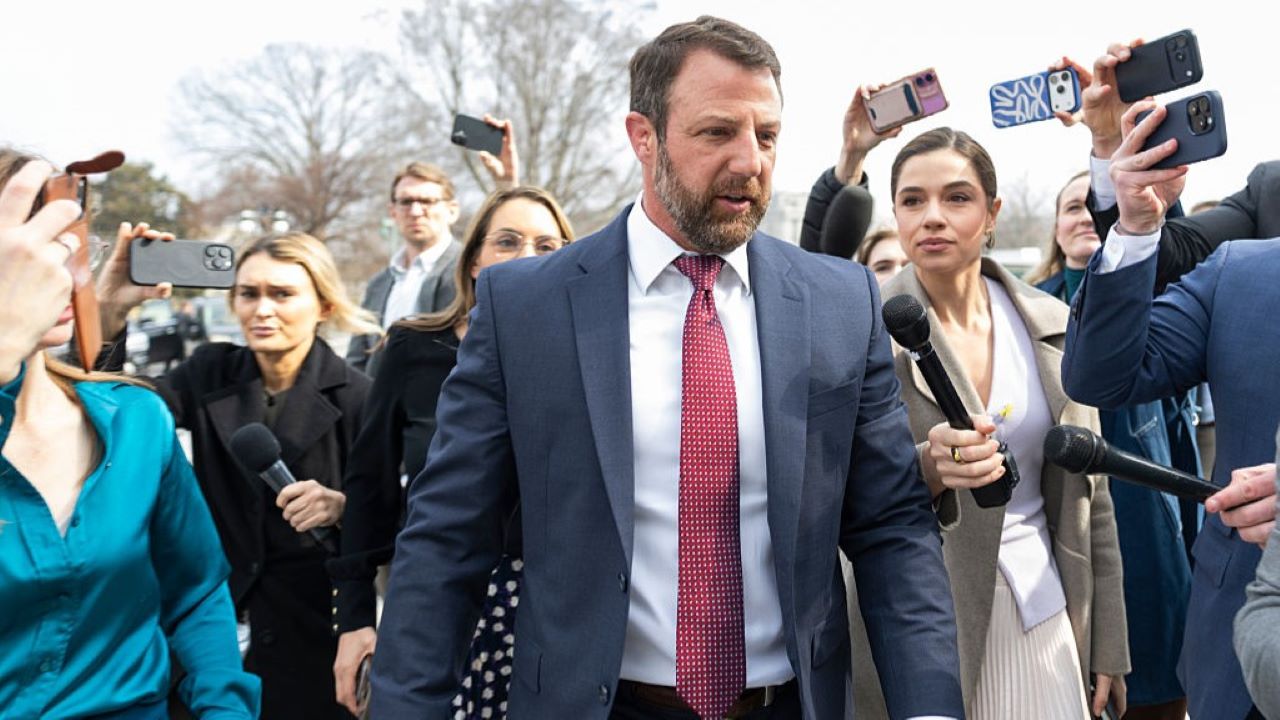
260,000+ DHS employees have gone at least a month without pay and TSA nationwide callout rate hit 10.19% (vs ~2% previously), with some airports seeing >30% and Houston over 50% callouts, creating severe travel disruption and risk of smaller airport shutdowns. Senate confirmation hearing for Sen. Markwayne Mullin to lead DHS is highly contentious and being expedited amid the funding standoff, raising near-term political risk around agency leadership and reform commitments. Market impact is concentrated in travel-related equities and regional airport revenue exposure; monitor TSA callout metrics, flight cancellation trends, and congressional funding negotiations for potential operational and revenue hits to airlines, airports, and travel services.
The immediate economic shock from a politicized DHS funding disruption isn't limited to headline travel delays — it reallocates capacity and shortens the route network in ways that benefit large incumbents and certain vendors. Thin-market routes (regional/seasonal pairs) are the first to be cut when security resources become constrained; a 10–30% contraction in those routes over 1–3 months would push yields on remaining routes higher by an estimated 3–7% as load factors re-concentrate at hub carriers and primary airports. Procurement and regulatory second-order effects favor providers of hardware and integration services: visible-ID, body-worn camera rollouts, and any accelerated FEMA modernization create multi-year program windows where a handful of prime contractors can secure recurring revenue. These RFP-driven wins typically take 3–12 months to translate into contracted backlog and 12–24 months to fully hit revenue, compressing the usual election-cycle volatility for winners. Tail risks center on political duration and operational knock-on effects. If funding remains lapsed beyond 6–8 weeks, expect cascade effects: smaller airports face temporary suspension, regional carriers confront liquidity stress, and insurers and major carriers see concentrated refund/rebooking liabilities. Conversely, a short bipartisan stopgap or rapid confirmation and a commitment to orderly reform could reverse most operational damage within 2–6 weeks, leaving procurement winners as the durable positive outcome. Consensus focuses on immediate consumer pain; it underweights the asymmetric opportunity for select defense/technology contractors and dominant carriers to monetize route consolidation and new DHS hardware mandates. That divergence creates a clear set of tactical positions with defined time horizons tied to funding votes, the confirmation timeline, and upcoming DHS RFP schedules.
AI-powered research, real-time alerts, and portfolio analytics for institutional investors.
Request DemoOverall Sentiment
moderately negative
Sentiment Score
-0.35
