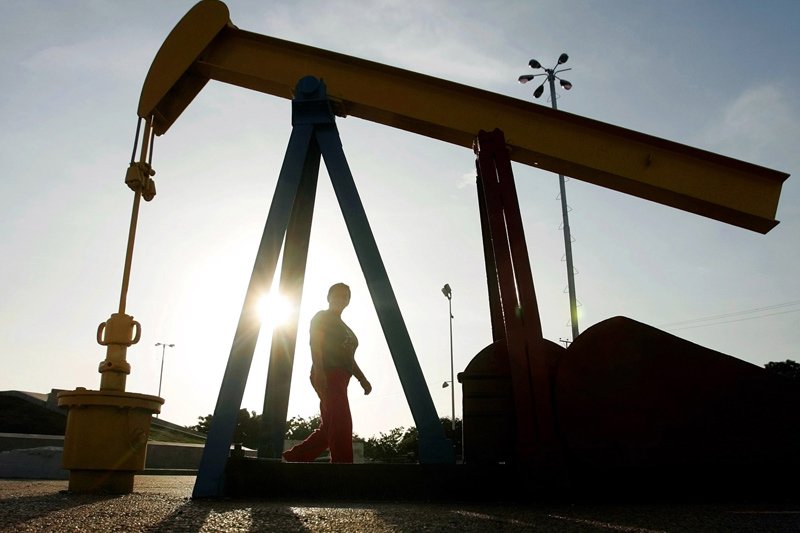
Switzerland cut its 2026 GDP growth forecast to 1.0% from 1.1% (‑0.1pp) and maintained 2027 at 1.7%. SECO experts attribute the downgrade to uncertainty from the Middle East conflict and higher oil prices, and raised the 2026 inflation forecast to 0.4% from 0.2% (+0.2pp). The group also expects slightly weaker private consumption, implying modest downside risk to domestic demand and potential sectoral pressure from higher energy costs.
Energy midstream and tolling assets gain disproportionately from volatility because they monetize congestion and optionality rather than spot price — a short, sharp supply shock typically lifts utilization and drives outsized incremental distributable cashflow within 3–9 months. Assets with fixed-fee contracts plus optionality (LNG regasification, long-haul pipelines, storage caverns) compress payback variance and should rerate faster than upstream producers if volatility persists. Conversely, currency- and consumption-exposed exporters and Euro/CHF-priced discretionary chains face a two-step hit: margin pressure from higher input costs and demand elasticity tightening over the next 6–12 months, which compresses cyclical multiples and forces inventory drawdowns. Suppliers of energy-intensive intermediate goods (fertilizer, basic chemicals) will pass through costs unevenly, creating idiosyncratic bankruptcy risk among weaker SMEs and opportunity to buy large-cap integrated processors at wider spreads. Key catalysts to monitor are: (1) near-term conflict escalation (minutes–weeks) that can spike backwardation and storage calls, (2) US shale and merchant storage response (60–120 days) that caps upside, and (3) central bank policy reaction (3–12 months) that can amplify real-economy drawdown. A durable trade requires a plan for rapid mean reversion from diplomatic resolution or production response — both plausible within a quarter-to-two horizon. The consensus underappreciates that infrastructure cashflows are convex to volatility but not to prolonged low-demand recessions: if inflation prompts aggressive rate hikes, DCF multiples on long-duration toll-fees can compress even as nominal EBITDA rises. So prefer shorter-dated optionality on high-quality midstream and operating optionality (storage/LNG) over long-duration pure-income plays that are rate-sensitive.
AI-powered research, real-time alerts, and portfolio analytics for institutional investors.
Overall Sentiment
mildly negative
Sentiment Score
-0.25
