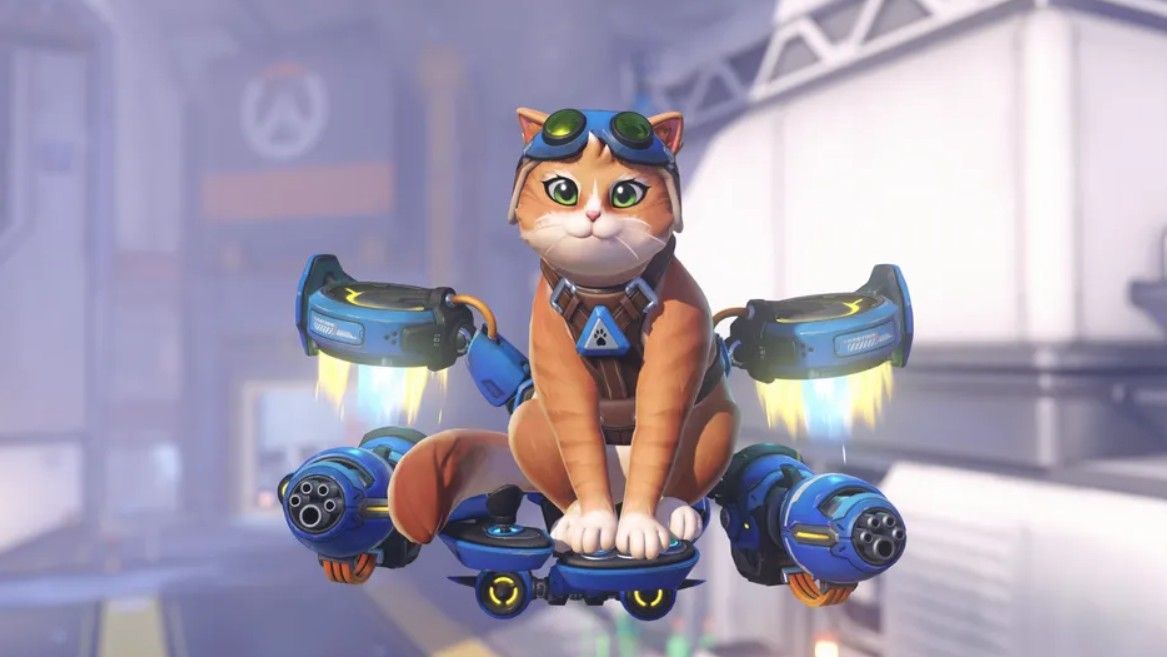
Overwatch (formerly Overwatch 2) has seen a notable surge in Steam player counts ahead of its rebrand and the launch of Reign of Talon Season 1 on February 10, 2026, temporarily surpassing Battlefield 6 and Call of Duty on that platform. The season introduces five new heroes including the viral Jetpack Cat (Fika); the Steam uptick — despite the game's larger PC footprint on Battle.net — signals renewed user engagement that could support monetization upside for Blizzard within Microsoft, though the impact on Microsoft’s overall financials is likely modest given platform distribution and legacy reputation issues tied to past reviews and 2021 legal controversies.
Market structure: The immediate winners are Microsoft (MSFT) as Blizzard’s owner (brand re‑launch, Game Pass optionality) and hardware vendors (NVDA) from incremental PC engagement; losers are incumbents whose PC share is Steam‑visible (EA/TTWO exposure is mixed) and publishers reliant on monetization PR. A successful Reign of Talon launch can reallocate share among FPS franchises over 1–12 months and marginally increase Microsoft’s pricing power for live‑service bundles; expect a low-single‑digit percentage uplift to Xbox content engagement if retention holds.
Risk assessment: Tail risks include regulatory scrutiny on microtransactions/loot boxes (EU/UK rule changes) and reputational shocks (review bombing or workplace‑related litigation echoes) that could wipe out sentiment gains within weeks. Time horizons: immediate (days) for sentiment and options volatility around Feb 10, short term (0–3 months) for retention and monetization signals, long term (3–24 months) for Game Pass LTV and revenue translation. Hidden dependencies: actual revenue depends on cross‑platform monetization, not Steam peaks; Game Pass inclusion or promotional placement drives larger durable value than organic Steam spikes.
Trade implications: Tactical plays favor overweight MSFT to capture re‑rating catalysts (season launch Feb 10, BlizzCon 2026, MSFT earnings cadence) with defined hedges; NVDA is a secondary hardware play for sustained PC engagement. Use short‑dated call spreads to capture post‑release upside and buy protective puts to limit 5–8% drawdowns; monitor Steam concurrent players and 30‑day retention as trigger metrics (see decisions).
Contrarian angles: The market may be overfitting to a novelty spike — Jetpack Cat virality can produce a 10–25% short‑term sentiment move without durable ARPU gains. Historical parallels (league/franchise revivals) show 30–60 day retention is predictive of lasting revenue; if 30‑day concurrent players drop >50% from peak, the rally is likely fleeting. Unintended consequence: heavy promotional placement in Game Pass could boost engagement but cannibalize direct monetization, lowering near‑term gross bookings despite higher MAUs.
AI-powered research, real-time alerts, and portfolio analytics for institutional investors.
Request DemoOverall Sentiment
mildly positive
Sentiment Score
0.35
Ticker Sentiment
