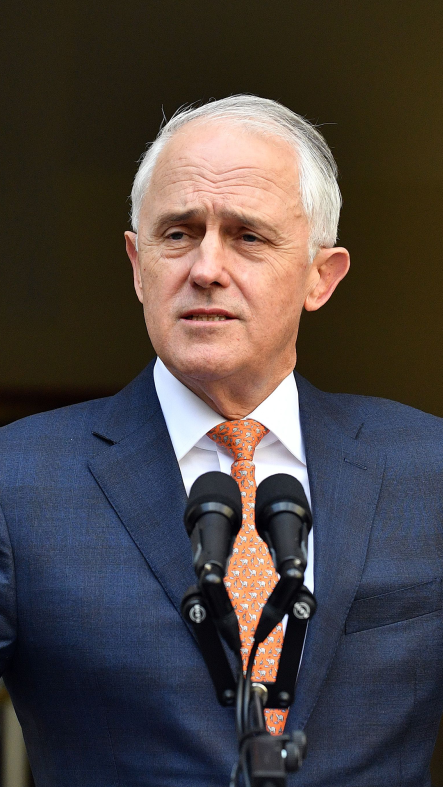
Former Australian Prime Minister Paul Keating argues that the U.S. risks harming its long-term interests by restricting foreign students, particularly those from China, as it could impede access to crucial intellectual capital and innovation. Keating suggests that such policies, driven by security concerns, may ultimately weaken the U.S.'s competitive edge in research and development.
Former Australian Prime Minister Paul Keating has issued a warning regarding potential U.S. restrictions on foreign students, particularly those from China, highlighting the risk of detrimental long-term consequences for the United States. Keating's core argument posits that such policies, often driven by national security concerns, could significantly impede America's access to crucial intellectual capital and stymie innovation, thereby potentially weakening its global competitive edge in research and development. The sentiment surrounding this perspective is moderately negative, reflecting a pessimistic outlook on the impact of such restrictions. This issue intersects with broader themes of geopolitics, trade policy, and domestic political considerations, suggesting that any implemented changes could have far-reaching implications beyond academia, potentially affecting industries reliant on a steady influx of international talent.
AI-powered research, real-time alerts, and portfolio analytics for institutional investors.
Request DemoOverall Sentiment
moderately negative
Sentiment Score
-0.55
