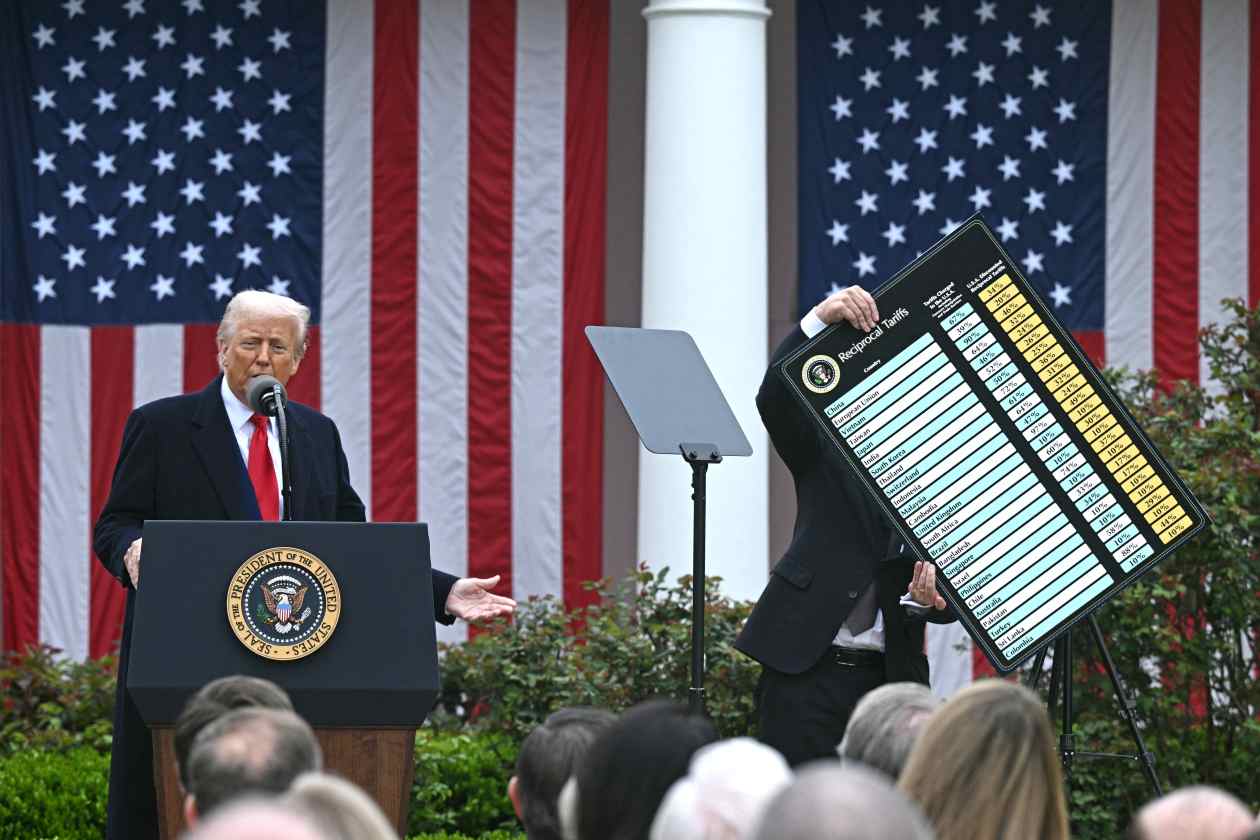
Goldman Sachs' chief economist, Jan Hatzius, predicts the Trump administration will not reimpose "reciprocal" tariffs on U.S. trading partners after the July 9 deadline. Hatzius stated that Goldman Sachs is not factoring in the second stage of these tariffs, which previously impacted markets in April, suggesting a belief that the current pause will continue.
Goldman Sachs' chief economist, Jan Hatzius, projects that the Trump administration will not reimpose "reciprocal" tariffs on U.S. trading partners after the July 9 deadline. This forecast is notable as these tariffs previously "hammered markets in April," underscoring the potential negative market impact should they be reinstated. Reflecting this outlook, Goldman Sachs is reportedly "not building in the second stage of the ‘reciprocal’ tariffs" into its economic models. The non-reimposition of these import taxes would likely remove a significant source of market uncertainty and headwind for global trade, aligning with the provided "moderately positive" overall sentiment (score 0.5) and "optimistic" tone. This development, if it materializes, could have a discernible positive effect on markets, as suggested by the market impact score of 0.6.
AI-powered research, real-time alerts, and portfolio analytics for institutional investors.
Request DemoOverall Sentiment
moderately positive
Sentiment Score
0.50
Ticker Sentiment
