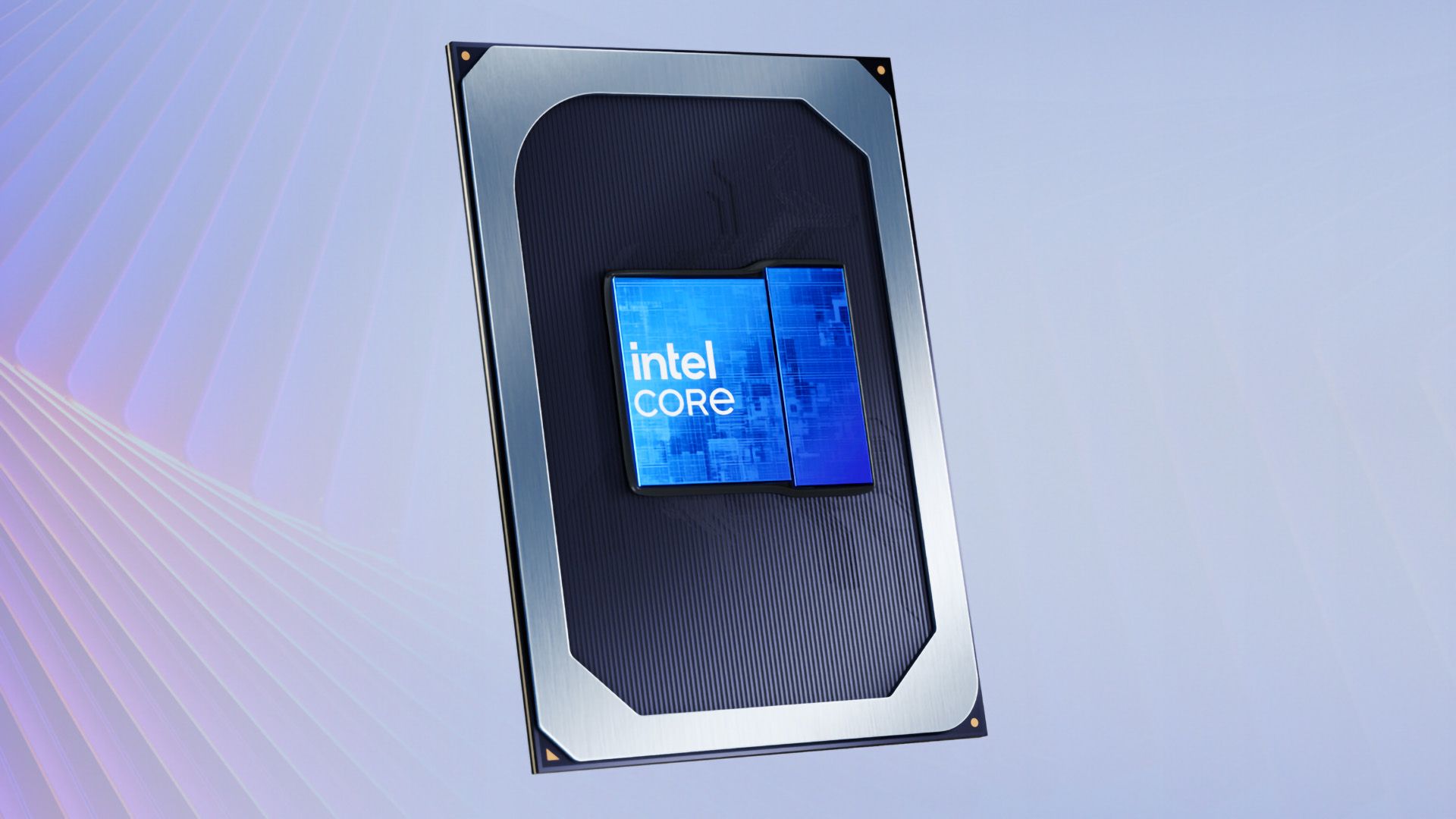
Intel unveiled Project Firefly, a new initiative to standardize and streamline budget laptop design around its Wildcat Lake Core Series 3 chips, aiming to lower R&D and manufacturing costs. The reference Firefly laptop is 11mm thin, while partner Wildcat Lake laptops from Asus, HP, Honor, and Chuwi are already launching in China at pre-tax prices of about $571 to $662, with Chuwi's UniBook at $449. The first true Project Firefly device is expected to be Lenovo's Lecoo Air 14, positioning Intel to compete more directly with Apple, Arm-based laptops, and Chromebooks in the low-cost segment.
Intel is trying to do in low-end laptops what Android vendors did in phones: compress BOM, standardize chassis components, and let scale—not differentiation—drive unit economics. That is strategically important because it shifts the budget PC battleground from pure silicon to platform orchestration, where Intel can potentially extract more value even if ASPs stay low. The second-order effect is pressure on the long tail of white-box and regional laptop assemblers, while the biggest branded OEMs may actually benefit if a common reference standard reduces engineering friction and speeds refresh cycles.
The near-term winner is INTC, but not because this becomes a high-margin growth engine immediately. The more durable value is defensive: it reduces the risk that Arm-based notebooks or Chromebooks own the sub-$600 segment by default, especially in China and other price-sensitive markets. If Wildcat Lake delivers acceptable battery life and thermals, Intel can keep x86 habit and compatibility sticky in education, SMB, and first-time consumer purchases; that has meaningful share-retention value over 12-24 months even if margins are thin.
A key risk is that the market may over-interpret launch momentum and underweight execution risk. Standardization only matters if the reference platform scales across multiple OEMs with consistent software support, and any early quality-control miss will quickly reinforce the ‘cheap Intel = compromised experience’ narrative. For AAPL, the threat is not direct unit loss at the high end, but a wider normalization of ‘good enough’ notebooks that could slow the long-run trade-up funnel in developed markets; for ARM, the risk is more immediate because budget Windows laptops are the easiest wedge into x86 substitution.
The contrarian take is that the market may be too focused on sticker price and not enough on lifecycle economics. If these machines are fanless, serviceable, and meaningfully more efficient than prior low-end Intel laptops, the real buyer appeal is total cost of ownership, not just upfront MSRP. That makes the competitive threat to HPQ and other OEMs less about gross margin compression and more about differentiation compression, which usually leads to lower returns on capital across the category.
AI-powered research, real-time alerts, and portfolio analytics for institutional investors.
Request DemoOverall Sentiment
mildly positive
Sentiment Score
0.15
Ticker Sentiment
