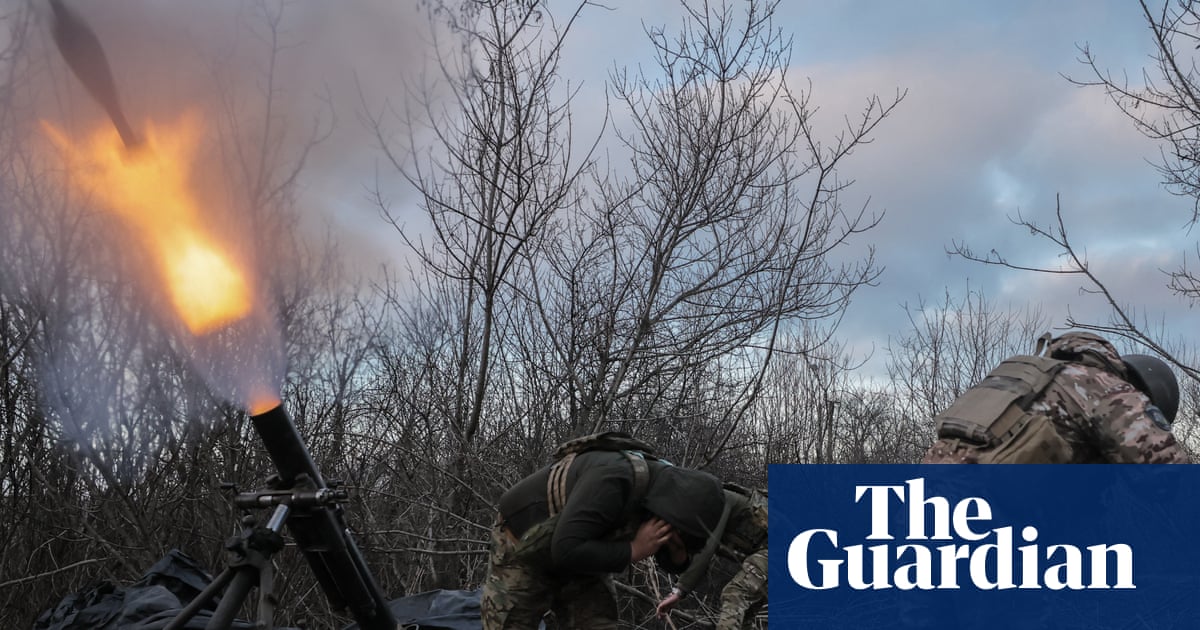
Russia recorded almost no territorial gains in March, seizing just 23 sq km (8.9 sq miles) versus 319 sq km in January and 123 sq km in February, as Ukrainian counteroffensives and information restrictions slowed advances. Attacks on Baltic export hubs Ust-Luga and Primorsk have disrupted oil shipments (at least five strikes on Ust-Luga in 10 days; diesel exports to Primorsk halted since 22 March), forcing costlier rail diversions and risking lower Russian oil output. Moscow launched a large daytime strike using over 500 drones and dozens of missiles that killed 14, while Kyiv urgently needs to pass legislation to unlock roughly $52bn of external financing this year to avoid a budget crisis.
A protracted slowing of offensive momentum materially changes the marginal demand profile for Western military suppliers: the market moves from one of surge-volume bulk artillery/rockets to sustained, precision-led replenishment and air-defence attrition. Expect durable demand for interceptors, sensors, and high-end guidance kits over 3–12 months, which favors prime contractors with secure production lines and diversified supply chains rather than smaller spot suppliers.
Collateral damage to Baltic export infrastructure is a structural hit to seaborne Russian product flows; rerouting by rail raises per-barrel export costs (order of magnitude: low single-digit $/bbl to perhaps mid-single-digit $/bbl increments depending on distance), effectively widening heavy-sour differentials and supporting European middle distillate spreads. That dynamic benefits refiners with Atlantic access and sticky diesel cracks for the next 3–9 months while pressuring hinterland producers and any freight/rail logistics chains that absorb the delta.
Fiscal fragility in Kyiv is the wildcard: passage (or failure) of key legislation is a high-leverage catalyst on a 0–90 day horizon. If external funding lags, expect a meaningful reduction in tempo that could compress near-term defence order visibility and send a 10–25% re-rating through smaller suppliers; conversely, a coordinated donor package would de-risk inventory builds and reaccelerate OEM order flow. Monitor parliamentary votes and EU/US tranche calendars as primary event triggers.
AI-powered research, real-time alerts, and portfolio analytics for institutional investors.
Request DemoOverall Sentiment
mildly negative
Sentiment Score
-0.35
