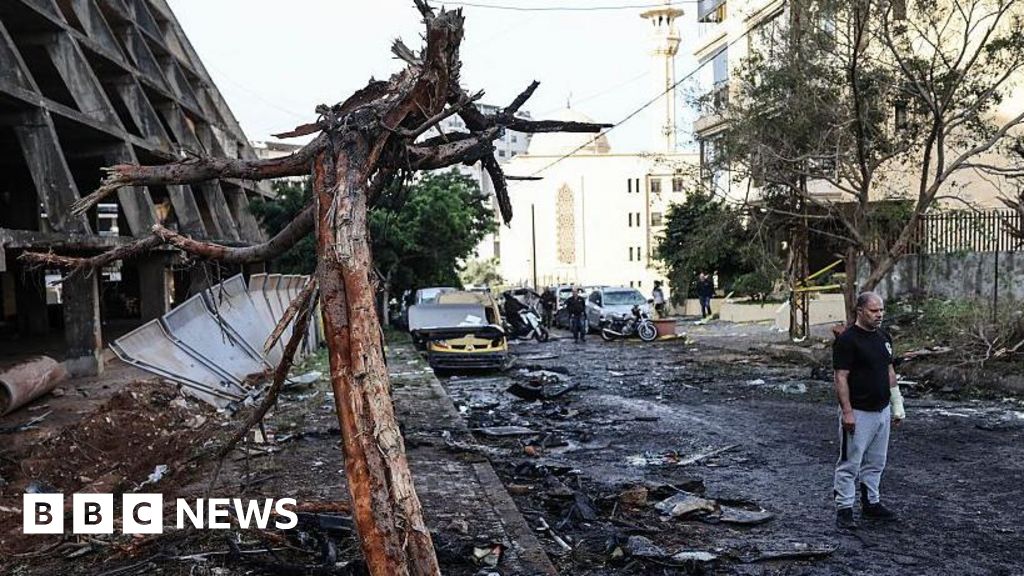
1,268 people have been killed in Lebanon and more than one million displaced as Israel intensifies strikes — including hits outside Hezbollah-controlled areas — and reportedly killed senior Hezbollah figures. Israel plans to control territory up to the Litani River (~30 km from the border), with Defence Minister Katz saying >600,000 displaced residents would be prohibited from returning and houses near the border will be destroyed; supply lines and bridges to the south have been targeted, degrading infrastructure. The Lebanese health ministry reports 53 health workers killed and at least seven deaths in the south from a single day of strikes, underscoring severe humanitarian impact and heightened risk of prolonged guerrilla conflict and regional escalation.
Immediate market reaction should be risk-off and localized: safe-haven assets (USD, gold, short-dated USTs) are likely to outperform over the next days-to-weeks as cross-border uncertainty drives EM outflows and regional risk premia spike. Shipping and marine war-risk insurance for eastern Mediterranean routes should reprice within 48-72 hours, adding 10-30% to short-haul freight costs and routing delays of several days that will cascade into inventory tightness for just-in-time suppliers.
Defense and security suppliers are the obvious near-term flow winners, but the true profit window is tied to procurement cycles and emergency replenishment orders over 3–12 months rather than immediate headline moves; expect the biggest revenue tailwinds for firms with large systems spares and missile/air-defence product lines. Conversely, regional infrastructure, insurers/reinsurers with concentrated Lebanon exposure, and tourism/airlines operating Mediterranean routes face multi-month cashflow pressure and potential realized losses that will pressure credit spreads.
Energy-market spillovers remain a credible tail but require escalation beyond current theaters (Gulf involvement or Strait of Hormuz threats) to materially move Brent; absent that, temporary eastern-Med LNG/gas project delays will be a localized supply shock to EU seasonal balances over quarters, not an immediate global oil crisis. Key catalysts to watch: credible ceasefire talks (days-weeks), US diplomatic pressure on Tehran (days-weeks), or a ground occupation turning into protracted guerrilla conflict (months-years), each implying different hedging horizons and payout shapes.
AI-powered research, real-time alerts, and portfolio analytics for institutional investors.
Request DemoOverall Sentiment
strongly negative
Sentiment Score
-0.85
