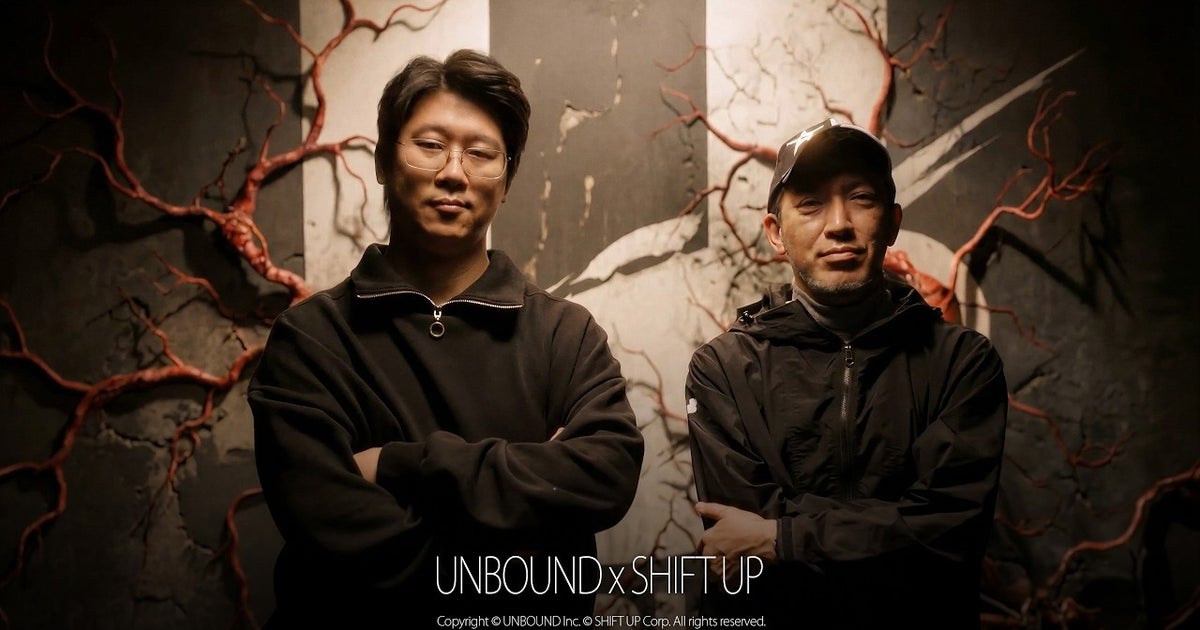
Shift Up has acquired Unbound, the studio founded by Shinji Mikami, and will publish and support Unbound's upcoming titles while helping build the studio's global service capabilities. Unbound, founded in 2022 and operational in 2023, is developing a 'fairly large' game with Mikami fully involved; Shift Up frames the deal as strengthening its global PC/console publishing and creative pipeline. The acquisition is strategic for content and creative consolidation but likely has limited near-term market or financial impact.
This deal accentuates a growing bifurcation in games M&A: small, creator-led studios commanding outsized strategic value for publishers that lack auteur IP. Expect Asian strategic buyers and global platform holders to pay up for studios that can deliver single-player AAA credibility — that dynamic will bid up acquisition comps in Korea/Japan over the next 12–36 months and raise hiring costs for mid‑sized dev talent by an estimated 10–20% in core hubs (Seoul, Tokyo). Middleware and services vendors (engines, QA, cloud build systems) will see more predictable multi-year contracts as acquirers try to industrialize output, creating a modest revenue tailwind for Unity/other tool vendors within 6–18 months.
Main downside is execution risk: auteur projects have high variance and long development cycles, so value realization is binary and lives on a 2–4 year horizon. Key catalysts that will re‑rate outcomes are platform publishing deals (within 6–12 months), revealed gameplay/prototype reception (12–24 months), and monetization direction: a pivot toward live‑service or microtransactions would materially change lifetime value assumptions and partner economics. Reversal scenarios include cost overruns, failure to globalize marketing, or creator departure — each could knock 30–60% off expected valuation accretion for the acquirer.
Contrarian lens: the market tends to conflates auteur credibility with scalable publishing returns; historically, small-studio acquisitions often require multiple bolt-on buys or heavy capex to reach global scale. For investors that separate optionality from odds, this transaction is a buy‑option on potential outsized IP, not a safe yield lift — treat it like venture exposure embedded inside a private buyout, and size accordingly.
AI-powered research, real-time alerts, and portfolio analytics for institutional investors.
Request DemoOverall Sentiment
moderately positive
Sentiment Score
0.40
