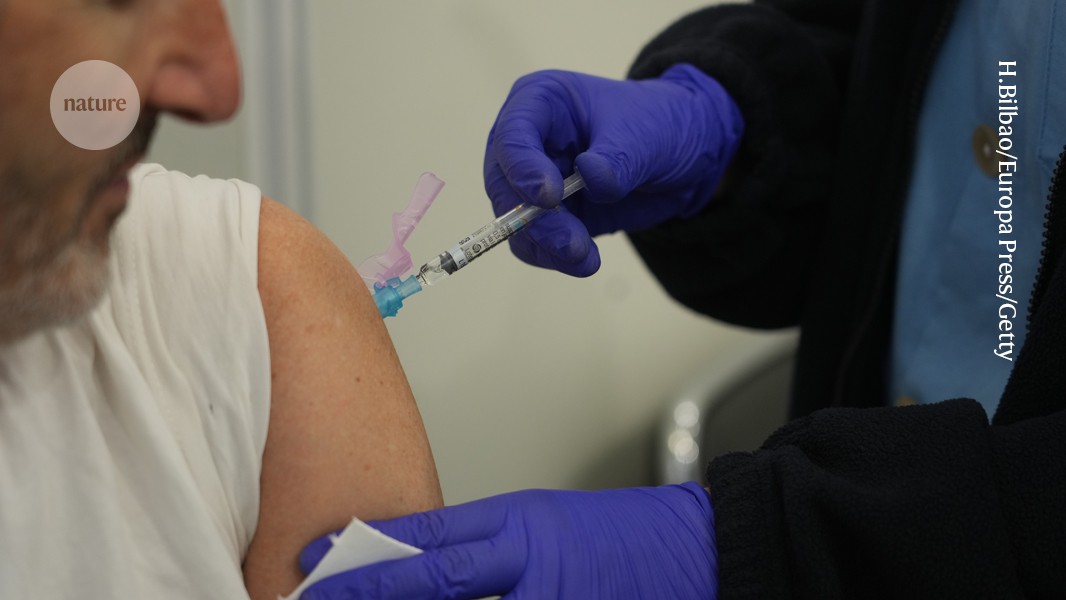
A highly mutated H3N2 variant (subclade K) has become globally dominant since September and now accounts for about 80% of influenza infections, driving earlier and larger-than-usual seasons across the UK, Europe, Japan, Canada and the US and putting pressure on health systems. The variant emerged as early as February last year but was sequenced after the WHO selected vaccine strains, producing a vaccine mismatch; a January preprint nonetheless indicates current vaccines may still protect against severe disease in some people. Hedge funds should monitor increased healthcare utilization, workforce absenteeism and potential idiosyncratic demand boosts for antivirals and vaccines rather than expecting broad market disruption.
Market structure: A dominant, antigenically drifted H3N2 subclade K increases near-term demand for diagnostics, seasonal vaccines and hospital/urgent-care services while reducing vaccine effectiveness vs. strain-matched seasons. Winners: diagnostics manufacturers (rapid tests) and seasonal vaccine suppliers who can reprice or win government orders; losers: discretionary travel/leisure and employers facing higher absenteeism. Expect 4–12 week surge in test volumes and a 1–3 quarter uplift in vaccine orders and replenishment purchases.
Risk assessment: Tail risks include a more virulent mutation prompting policy-driven school/work closures or emergency procurement (low probability but high impact) and supply-chain constraints for antigen/egg-based vaccine capacity causing 10–30% delivery delays. Immediate (days) effects: spike in diagnostic kit sales; short-term (weeks–months): hospitalization pressure and elective procedure deferrals; long-term (quarters) implications: accelerated mRNA/upgraded vaccine investment if uptake increases >15% year-over-year.
Trade implications: Favor long diagnostics and established vaccine producers with manufacturing scale; hedge with short exposure to airlines/leisure and small-cap outpatient operators vulnerable to staff shortages. Use options to exploit asymmetric upside in vaccine makers ahead of Q1 procurement updates and buy insurance on hospital operator longs for 1–3 month volatility events. Rebalance into healthcare defensives if absenteeism suppresses growth signals over next 6–12 weeks.
Contrarian angles: Consensus underestimates persistent demand for updated vaccines and rapid-test consumables—government stockpiling could lift revenues for 2–4 quarters but then normalize. Reaction may be overdone in shorting large diversified insurers and pharma (UNH, PFE) that will amortize costs; historical 2014–15 H3N2 mismatch showed temporary revenue spikes then mean-reversion, so size positions for a 3–9 month window.
AI-powered research, real-time alerts, and portfolio analytics for institutional investors.
Request DemoOverall Sentiment
moderately negative
Sentiment Score
-0.35
