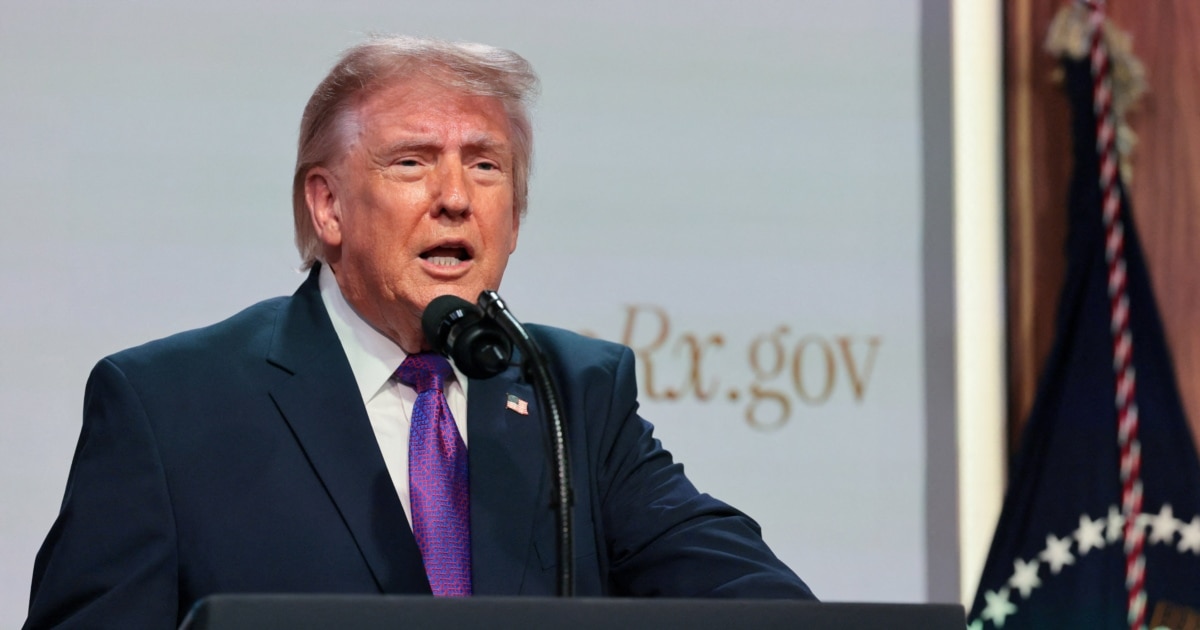
Trump repeatedly signaled possible new US military strikes on Iran over May 18-19, raising the risk of renewed conflict after the current cease-fire. Analysts said the strategic dilemma remains unresolved, with threats to Gulf shipping, Iranian retaliation, and the Strait of Hormuz still central. The article suggests diplomacy is stalled and that further escalation could keep energy and regional defense markets on edge.
The market’s first-order read should be on volatility, not directionality: repeated strike rhetoric increases the probability of an abrupt policy error, but it also makes a contained de-escalation more valuable to the White House. That asymmetry tends to keep crude bid while crushing short-dated implied vol sellers, because the next move can be a headline-driven gap rather than a gradual repricing. The more important second-order effect is that Gulf states now have a stronger incentive to buy time, expand backchannel diplomacy, and quietly harden their own defensive posture, which reduces the odds of a clean military follow-through even if rhetoric intensifies.
For energy, the key question is not whether Iran can absorb economic pain, but whether shipping and insurance markets start pricing in intermittent disruption across the Strait of Hormuz. That creates a very convex setup for tanker rates, marine insurance, and prompt Brent versus deferred Brent, while integrated majors are less levered than the market often assumes because refining and trading can offset upstream noise. The loser set is broader than obvious Iran-sensitive assets: regional infrastructure contractors, telecoms, and airlines across the Gulf can de-rate on any sign that missile-defense spending crowds out growth capex or travel demand.
The contrarian miss is that additional strikes may prove bearish for oil over a 1-3 month horizon if they accelerate a diplomatic off-ramp and leave Iran’s export channels intact under heavier monitoring rather than outright collapse. In other words, the risk premium can spike before physical barrels are actually lost, and then bleed out fast if no tankers are hit. That makes this more of a volatility and relative-value event than a clean directional energy call unless there is evidence of actual interdiction or retaliatory attacks on shipping.
The biggest tail risk is a miscalculated response into Gulf infrastructure that forces insurers, not governments, to ration risk for weeks. That would be a classic “price before flow” shock: freight and insurance surge immediately, spot crude follows with a lag, and airlines, refiners, and chemical producers with high Middle East exposure underperform first. If diplomacy gains traction, those trades unwind just as quickly, so timing matters more than conviction.
AI-powered research, real-time alerts, and portfolio analytics for institutional investors.
Request DemoOverall Sentiment
mildly negative
Sentiment Score
-0.35
