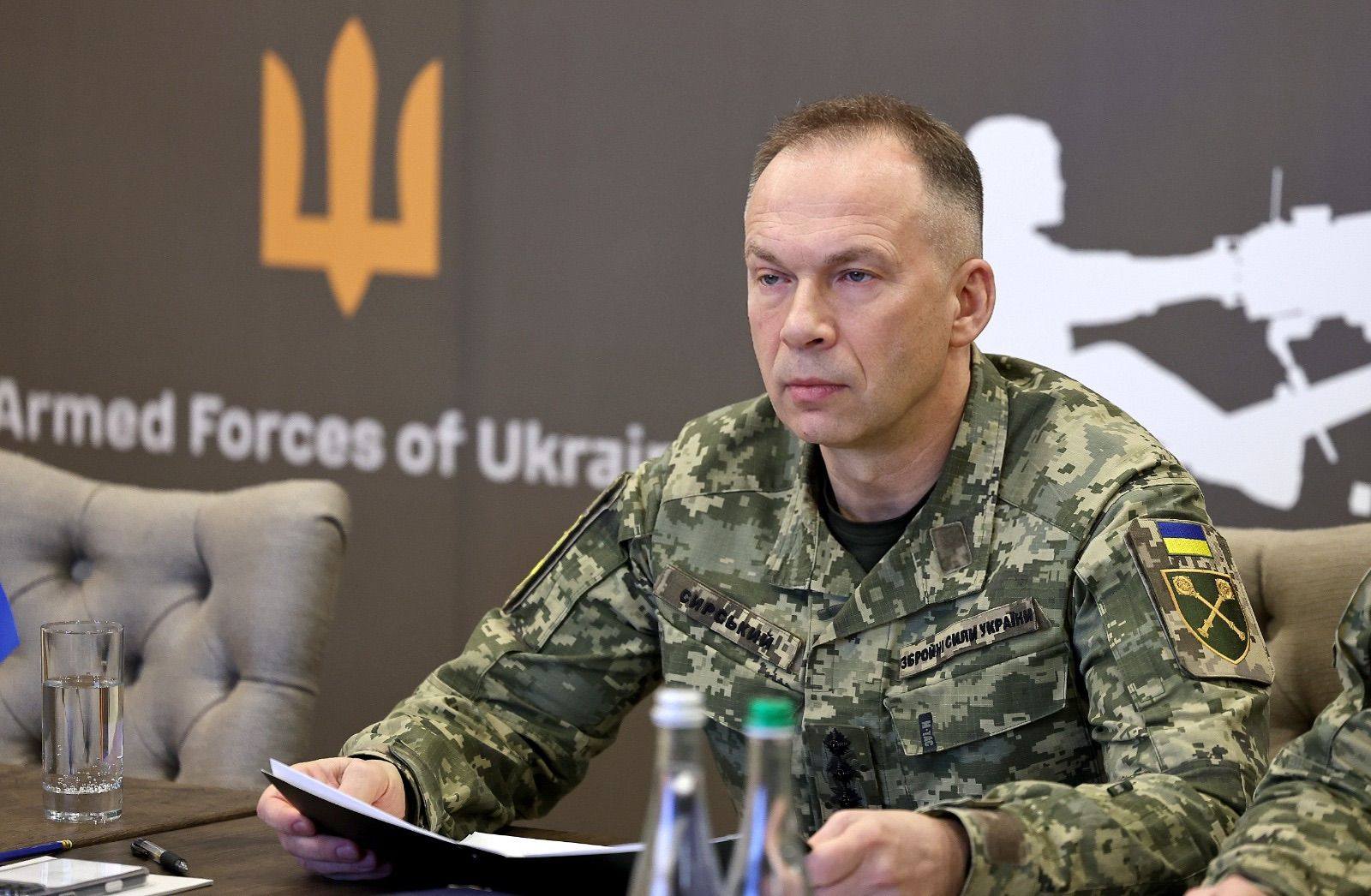
Ukraine's General Staff dismissed the commanders of the 10th Corps and 14th Separate Mechanized Brigade after allegations of lost positions, poor frontline support, and concealed logistics failures near Kupiansk. Reports cited soldiers going without food, water, medicine, and fuel for up to 7-14 days, with some fainting from hunger and relying on rainwater. The military says new leadership is taking steps to restore supplies, while an internal investigation is ongoing.
This is less a single unit-specific scandal than a stress test of Ukraine’s force-generation model: if frontline logistics are being sustained by improvised waterways and drones, the binding constraint has shifted from munitions to transportation capacity and command accountability. The immediate market implication is not battlefield shock but an incremental increase in attrition risk and a lower tolerance for operational surprise, which typically pushes decision-makers toward more conservative deployments and slower offensive tempo over the next 2-8 weeks.
The second-order effect is on the defense supply chain: demand should tilt further toward unmanned resupply, battlefield ISR, electronic warfare, and ruggedized comms rather than heavy platforms alone. Any vendor exposed to last-mile logistics, tactical drones, secure radios, and portable power systems is likely to see faster procurement cycles as militaries internalize the cost of human supply lines under sustained fires. Conversely, traditional armored and artillery narratives are vulnerable if logistics reliability becomes the gating factor for usage rates.
The bigger contrarian takeaway is that public command shakeups can be bullish for the medium term even if they look negative in the short term. A visible enforcement action reduces the probability of a longer institutional decay problem, but the market often underprices the interim disruption: expect a 1-3 month window where operational efficiency is worse before reforms translate into better throughput. If the investigation broadens, the tail risk is procurement bottlenecks and reputational drag on broader aid effectiveness, not just this brigade.
For investors, the setup favors expressions that benefit from higher spend on resilient battlefield infrastructure without needing a rapid ceasefire. The best risk/reward is to own suppliers to drones, secure communications, and battlefield logistics while fading names levered to a quick normalization of front-line maneuver warfare. The key reversal catalyst would be restored crossing capacity or a sustained rotation cadence; absent that, the operational pressure should persist into the next quarter.
AI-powered research, real-time alerts, and portfolio analytics for institutional investors.
Request TrialOverall Sentiment
strongly negative
Sentiment Score
-0.70
