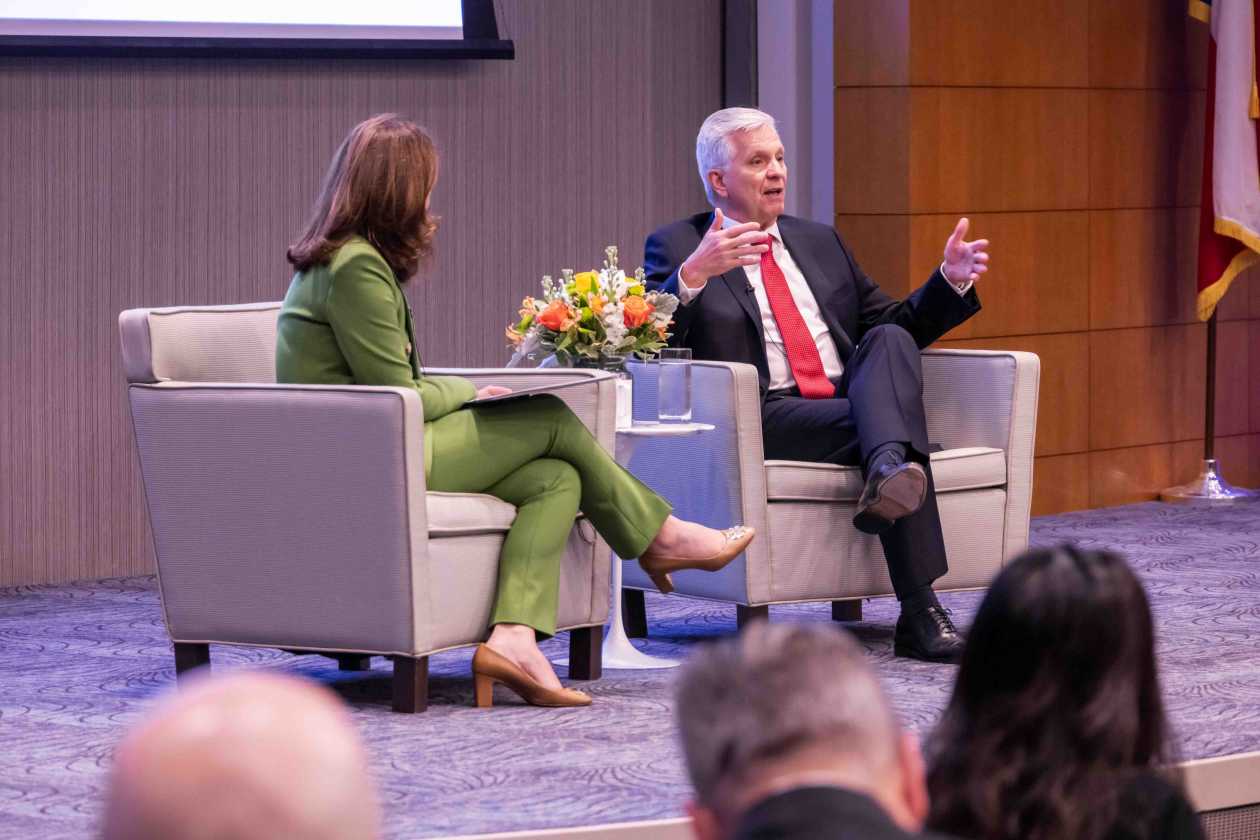
Federal Reserve Governor Christopher Waller now advocates for a series of interest-rate cuts beginning in September, driven by concerns over a weakening labor market and temporary tariff-induced inflation. He projects rates could fall by 125-150 basis points from the current 4.25%-4.5% range to a neutral 3% over the next 3-6 months, with the pace data-dependent. While not currently favoring a 50-basis-point cut in September, Waller's dovish stance, particularly as a potential successor to Chairman Powell, signals a significant shift towards aggressive monetary easing and aligns with White House pressure for lower rates.
Federal Reserve Governor Christopher Waller has articulated a notably dovish policy stance, advocating for a series of interest-rate cuts beginning in September. This position is predicated on his view that the labor market is weaker than headline figures suggest and that inflationary pressures from tariffs will be transitory, thus not requiring a restrictive policy rate. Waller quantified the potential for easing by suggesting rates could move 125-150 basis points lower from their current 4.25%-4.5% range toward an estimated 3% neutral rate over the next three to six months. This represents a significant shift from the more cautious tone of Chairman Powell and the broader FOMC, where as recently as two months ago, seven officials projected no cuts this year. While Waller does not currently favor a 50-basis-point cut in September, he has explicitly left the option open, contingent on weak incoming jobs and inflation data. The significance of his remarks is amplified by the political context, as he is a candidate to succeed Chairman Powell, and his views align with pressure from the White House, which recently took the unprecedented step of firing a sitting Fed governor.
AI-powered research, real-time alerts, and portfolio analytics for institutional investors.
Overall Sentiment
moderately positive
Sentiment Score
0.60
