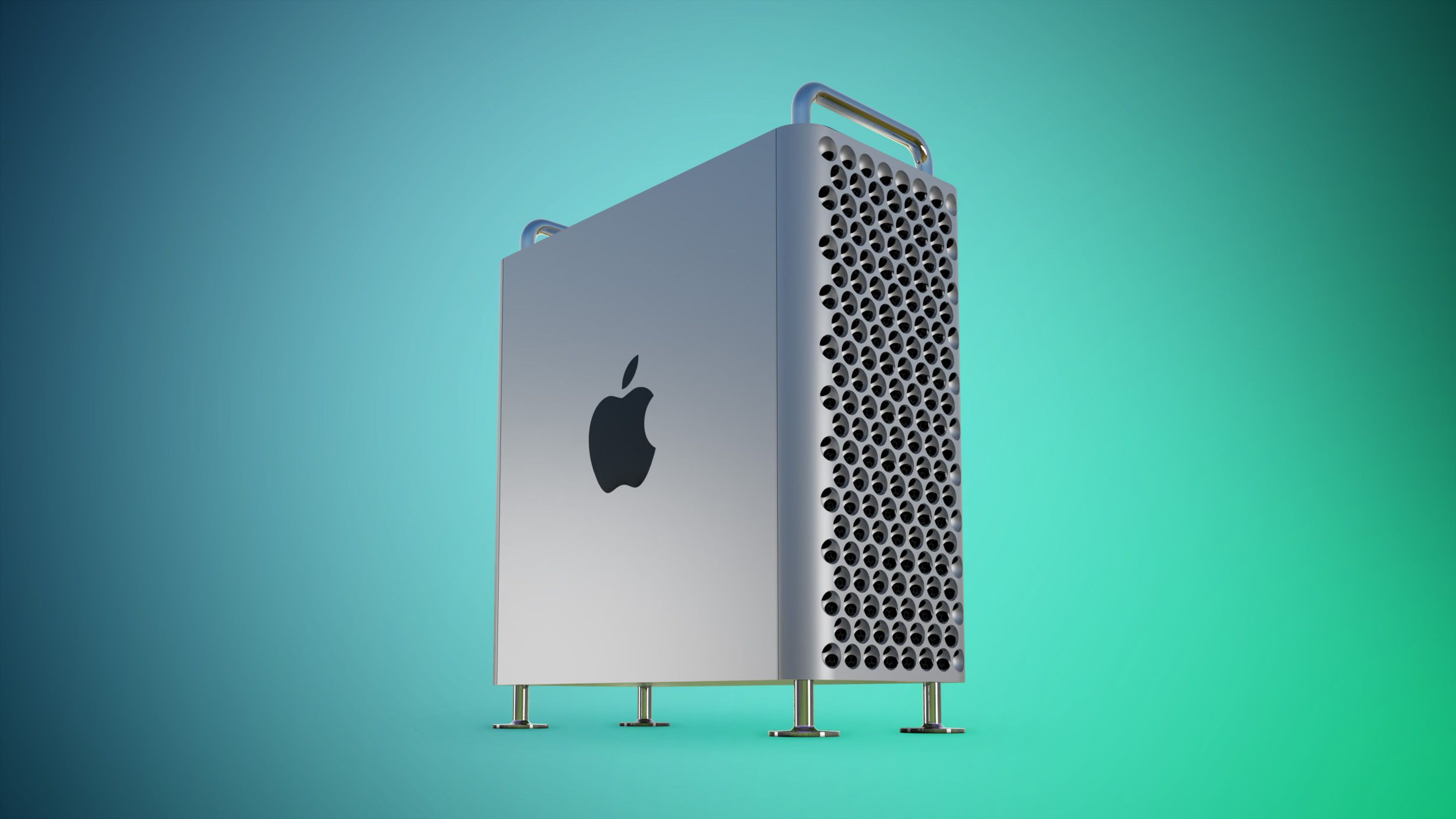
Apple has discontinued the Mac Pro and removed it from its website, saying it will not design a new model. The Mac Pro was last updated in 2023 with an M2 Ultra but retained a chassis from 2019 and carried a $6,999 starting price, with only three updates in 13 years. Apple is positioning the Mac Studio as its high-end desktop (current M3 Ultra, expected M5 Ultra refresh later this year), though the Studio lacks the Mac Pro's PCIe expansion slots.
Small, concentrated supplier lines tied to high-end, PCIe‑heavy tower workstations will see order volatility over the next 1–3 quarters as demand rebalances toward integrated, lower‑margin form factors and cloud/GPU servers. Expect modest margin tailwinds for Apple’s higher‑volume product lines as capital‑intensive chassis and low‑volume bespoke components are de‑prioritized; a reasonable back‑of‑envelope is 10–30bps uplift to gross margin if manufacturing mix shifts are fully realized within two quarters.
Discrete GPU vendors shouldn’t see material revenue loss at the company level, but OEM‑level reorder patterns (small batches of expensive GPUs plus custom cooling) will compress — that creates an opportunity for data‑center oriented GPU demand to pick up the slack, moving spend from client SKUs to server SKUs over 6–18 months. Niche enclosure and specialty thermal suppliers face inventory risk; expect single‑digit percent revenue hits for those vendors versus potential mid‑teens revenue gains for traditional Windows workstation OEMs if they capture pro share.
Software and cloud providers are the asymmetric winners: creators unwilling to trade native performance will accelerate cloud/GPU workstation adoption, translating into higher ARR velocity for Adobe/Autodesk and incremental Azure/GCP marketplace revenue within 6–24 months. The main reversal path is rapid third‑party advances in external PCIe (Thunderbolt/USB4 standards) or Apple pivoting back to a modular roadmap — either would cap migration and re‑route the expected flows back to client hardware makers.
Key near‑term catalysts to watch are enterprise procurement surveys (quarterly), AD channel inventory builds (1–2 quarters), and Apple’s parts procurement guidance; any material reallocation of SoC/packaging capacity toward iPhone/iPad would validate the margin thesis and should begin showing in supplier bookings within the next two supplier reporting cycles.
AI-powered research, real-time alerts, and portfolio analytics for institutional investors.
Request DemoOverall Sentiment
neutral
Sentiment Score
0.00
Ticker Sentiment
