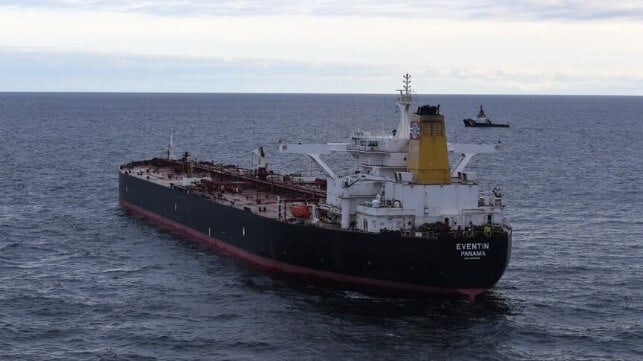
The European Union, via its External Action Service, is reportedly escalating efforts to disrupt Russia's shadow tanker fleet, which facilitates its energy exports and revenue generation. A forthcoming draft plan, building on actions by member states like France and Denmark, proposes increased inspections, bilateral agreements with flag states for boarding suspect vessels, and potentially targeting support services such as bunkering. This initiative, driven by concerns over safety, environmental risks, and potential hybrid warfare, aims to intensify pressure on Russia, with a 19th sanctions package expected to include over 100 additional tankers and accelerate the phase-out of Russian oil and gas imports, signaling significant operational and market implications for the energy and shipping sectors.
The European Union's External Action Service (EEAS) is advancing plans to significantly increase inspections of the "shadow tanker fleet" supporting Russia's energy exports, as detailed in a draft document. This initiative, building on existing efforts by member states like France and Denmark, aims to finalize a declaration by end of November, with a presentation scheduled for Monday, October 20. The plan targets Russia's energy income, addresses environmental and safety concerns, and mitigates potential hybrid warfare risks, including unidentified drone sightings.
Key measures include negotiating bilateral agreements with flag states to grant additional authority for boarding and inspecting suspect vessels, expanding on the EU's prior authorization for states to demand proof of insurance. The EU is also considering targeting support elements like bunkering services, a strategy reinforced by France's detention of the tanker Boracay, which caused operational delays. These actions underscore a renewed urgency to pressure Russia, citing its disregard for peace efforts and increased attacks in Ukraine.
Further intensifying pressure, the EU is preparing its 19th sanctions package, expected to include over 100 additional tankers and accelerate the phase-out of Russian oil and gas imports. This package, likely presented within the next week, signals a hawkish stance and a strongly negative sentiment towards the affected shipping and energy sectors. The comprehensive nature of these measures suggests a moderate to high market impact, particularly on global energy supply chains and shipping logistics.
AI-powered research, real-time alerts, and portfolio analytics for institutional investors.
Request DemoOverall Sentiment
strongly negative
Sentiment Score
-0.75
