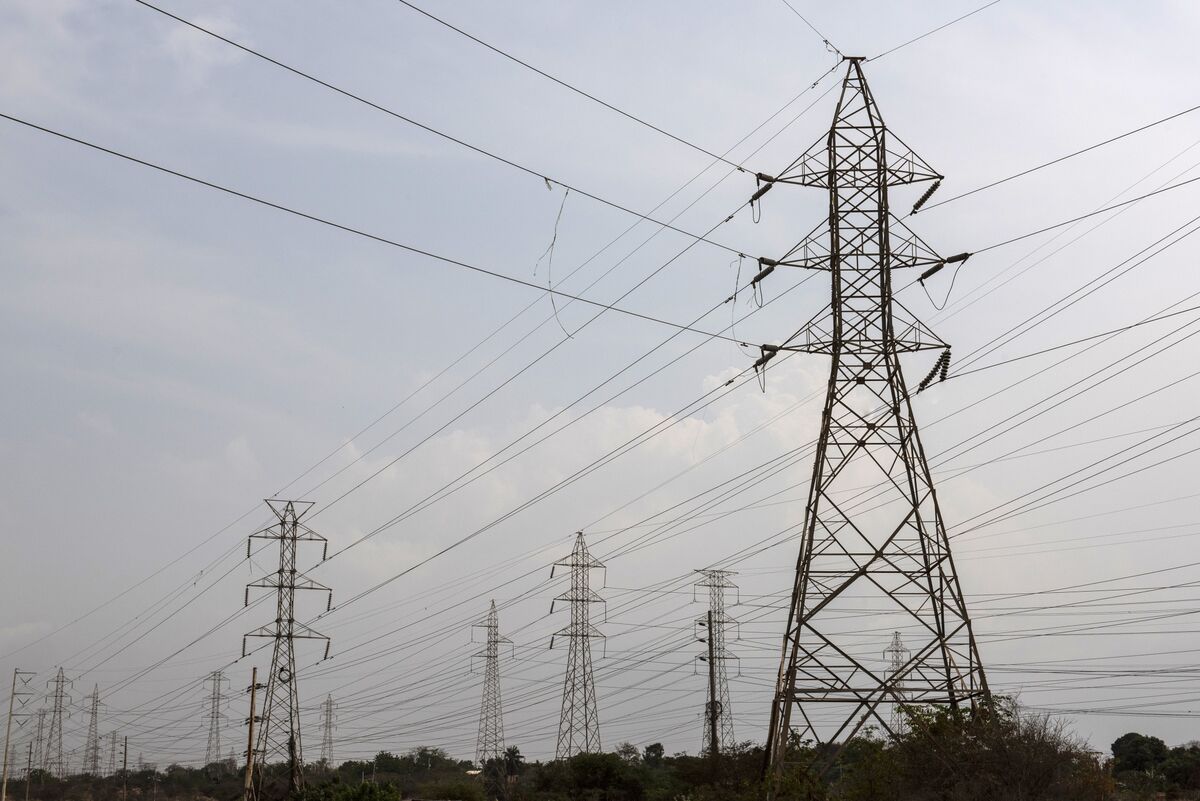
A defaulted Electricidad de Caracas (Elecar) bond has surged ~98% since December to about $0.31 on the dollar, delivering triple the return of any other Latin American corporate debt. The rally reflects investors chasing gains amid improving US–Venezuela relations; Grantham Mayo Van Otterloo reportedly owns roughly 25% of the issue and has seen outsized gains. This is a speculative, volatile rebound in distressed Venezuelan credit that could attract further risk‑on flows into emerging-market distressed debt.
The re-rating of a deeply distressed Venezuelan power company bond is acting less like a pure credit call and more like a geopolitical event trade: limited free float, concentrated holders and a binary policy tail (sanctions/recognition) have compressed time-to-recovery from years to quarters. That makes price action highly sensitive to headline flows and negotiated bilateral steps (diplomatic visits, easing of remittance/energy sanctions) rather than underlying cashflow improvement from the utility itself.
Second-order implications extend across Venezuelan domestic claims and cross-default linkages: if the market prices a pathway for enforcement or resale of state-linked assets, recoveries on other corporate and sovereign paper could compress materially without any improvement in utility operations. Conversely, if enforcement proves legally or practically infeasible, the recent re-rate is vulnerable to a fast unwind because upside was priced on policy rather than enforceable collateral or cash generation.
Tail risks are asymmetric and concentrated in policy reversals and legal rulings; a single high-profile court loss for a creditor or re-tightening of US sanction carve-outs could reprice these bonds sharply within days. Over months, normalization that includes debt-exchange frameworks or selective debt-for-asset conversions represents the realistic upside path, but implementation drag and domestic political frictions make full recovery a multi-year process unless a negotiated settlement prioritizes certain creditor classes.
Technically, this is a low-liquidity, high-concentration squeeze environment — short-term squeezes can produce large P&L but are brittle. The optimal capital allocation is size-constrained and event-driven: treat positions as conditional option exposure to policy outcomes, not secular credit plays backed by utility cashflows.
AI-powered research, real-time alerts, and portfolio analytics for institutional investors.
Request DemoOverall Sentiment
strongly positive
Sentiment Score
0.60
