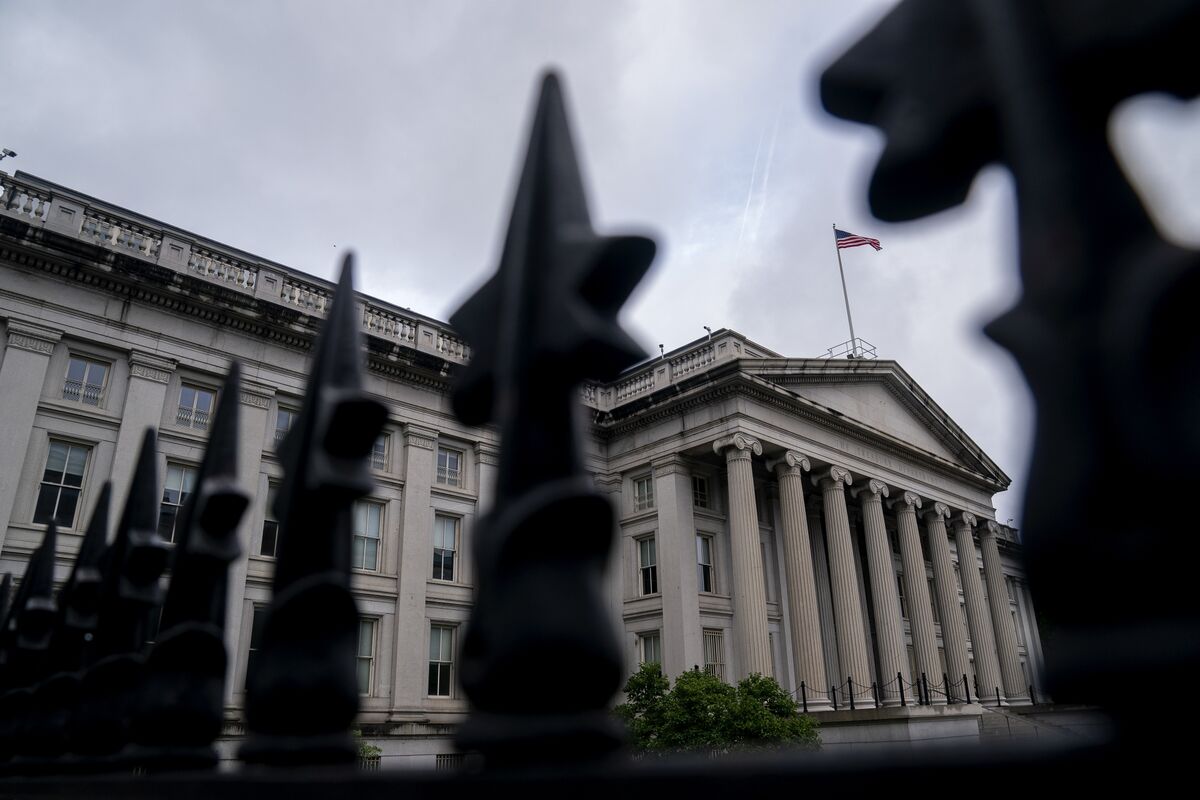
Wall Street primary dealers secured a record low 4.2% of the recent $39 billion 10-year Treasury auction for their house accounts, a near shutout that reflects a steady decline in their participation. This unprecedented reduction in allocation, despite their Federal Reserve mandate to bid, signals a significant structural shift in the Treasury market and could impact future auction dynamics and liquidity.
A significant structural shift is apparent in the U.S. Treasury market, underscored by the recent $39 billion 10-year note auction where primary dealers were awarded a record-low 4.2% for their house accounts. This event marks the closest the 25 Federal Reserve-designated dealers have come to being shut out of an auction, despite their mandate to bid in all of them. The outcome is not an isolated incident but rather highlights a 'steady decline in participation rates' from this traditionally dominant group. This diminished role for Wall Street's main bond dealers in a 'burgeoning' Treasury market implies that other participants, such as direct and indirect bidders, are increasingly absorbing new issuance, which could have lasting implications for market liquidity, price discovery, and future auction dynamics.
AI-powered research, real-time alerts, and portfolio analytics for institutional investors.
Request DemoOverall Sentiment
moderately negative
Sentiment Score
-0.50
