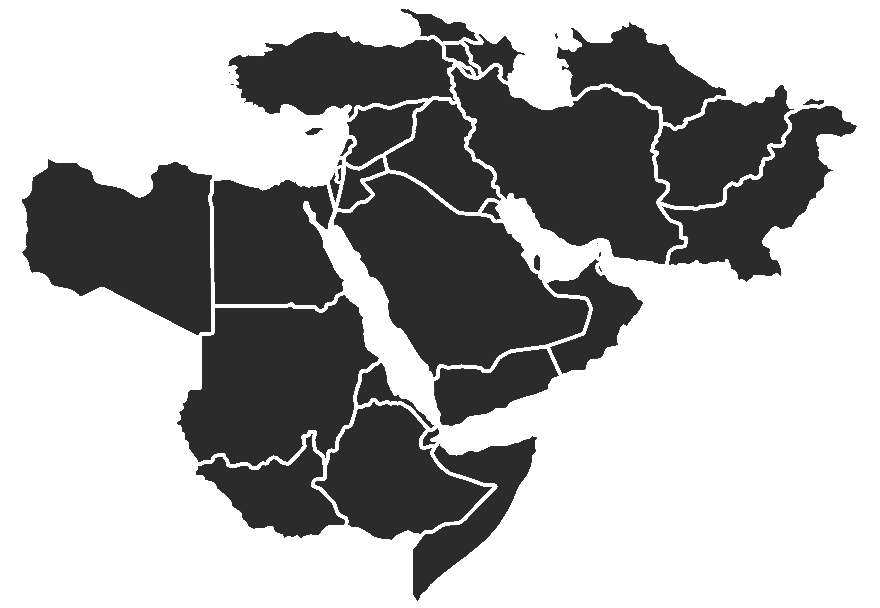
Diplomatic uncertainty persists ahead of US‑Iran talks in Oman (Feb 6) with conflicting reports on whether discussions will be limited to the nuclear file or expand to missiles and regional proxies; mediators proposed a framework requiring zero enrichment for three years and potential transfer of highly enriched uranium to a third country, a step Iran is internally divided over. Intelligence and public statements indicate Iran is dispersing and deepening its nuclear infrastructure and remains unwilling to curb missile capabilities or proxy support, while Tehran consolidated wartime decision-making by appointing Ali Shamkhani as secretary of the new Defense Council; simultaneous developments in Iraq and Syria (PMF basing disputes, Syrian government‑SDF joint checkpoints and handovers of infrastructure) further raise regional escalation risk and attendant market sensitivities, particularly for defense names and energy risk premia.
Market Structure: Geopolitical friction centered on Iran structurally favors defense primes (Lockheed LMT, Northrop NOC, General Dynamics GD) and upstream energy producers (XOM, CVX, XLE) while pressuring EM sovereign credit and regional travel/logistics. Pricing power for defense firms rises via reopened procurement budgets and expedited programs (5–15% revenue tailwind scenario over 12–18 months if hostilities intensify); oil supply risk pushes Brent volatility higher and supports producers’ free cash flow if prices sustain >$80/bbl.
Risk Assessment: Tail risks include a targeted US/Israeli strike or Iranian proxy attacks that drive a short-term oil supply shock (>10% rally in 7–14 days) and a global risk-off (S&P -8%+ scenario). Time horizons: immediate (days) for proxy incidents; short-term (weeks–months) for oil and FX repricings; long-term (quarters–years) for defense procurement cycles and reconstitution of Iran’s dispersed nuclear infrastructure. Hidden dependencies: Russian basing/transfer options, sanctions on intermediaries, and insurance/shipping rerouting costs that can amplify commodity and insurance spreads.
Trade Implications: Tactical trades: overweight large defense primes and energy producers; buy gold and USD as insurance; underweight EM credit and regional carriers. Use 3–6 month call spreads on LMT/NOC (5–10% OTM) for asymmetric upside and GLD calls as a cheap tail hedge. Pair trades (long LMT, short regional airlines like ALK/DAL) and short EMB-size positions express EM spread widening if escalation persists.
Contrarian Angles: Consensus assumes sustained escalation; markets may be overpricing perpetual military risk—if Oman talks yield even partial nuclear concessions or HEU transfer to a third party, oil and defense risk premia could compress rapidly (20–30% retracement in defense OI and 8–12% drop in spot Brent within 2–4 weeks). Historical parallels (2019 tanker attacks) show sharp but transient commodity moves; that argues for option-based exposure rather than large outright directional longs.
AI-powered research, real-time alerts, and portfolio analytics for institutional investors.
Request DemoOverall Sentiment
moderately negative
Sentiment Score
-0.45
Ticker Sentiment
