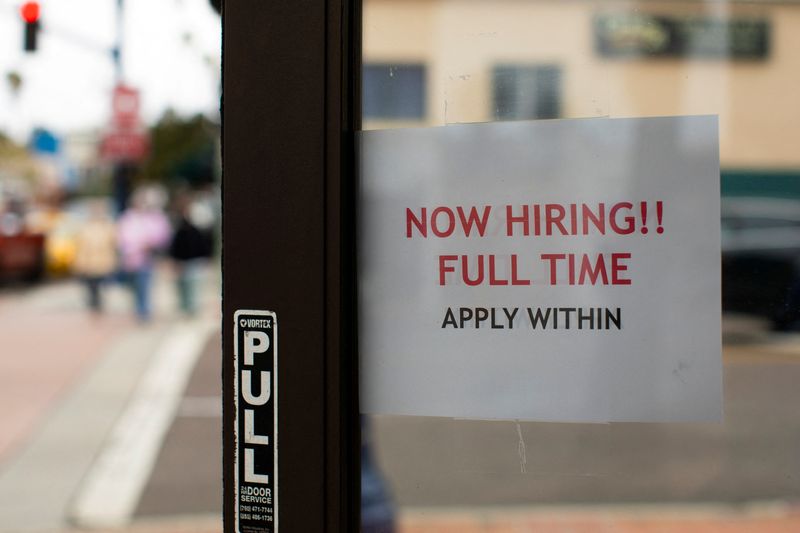
U.K. unemployment rose to 4.6% in April, the highest since July 2021, while wage growth excluding bonuses slowed to 5.2%, both indicating a cooling labor market. This data increases pressure on the Bank of England to continue cutting interest rates, despite concerns about high wage growth and persistent inflation. The construction sector is already reducing staff due to higher wage costs and reduced demand, and the BoE has adopted a cautious approach to further rate cuts amid global economic uncertainty.
The U.K. labor market exhibited further signs of cooling in April, with the unemployment rate rising to 4.6%, its highest level since July 2021, up from 4.5% in February, and whole economy pay growth excluding bonuses decelerating to an annual rate of 5.2% from a revised 5.5% in the prior month. These figures, which aligned with expectations, underscore a weakening employment landscape, influenced by factors such as higher national insurance contributions and an increased national living wage that commenced in April. The impact is already evident in sectors like construction, where British firms reduced staff in May at the fastest pace in nearly five years, citing higher wage costs and reduced demand, as S&P Global highlighted weaker order books and sustained reductions in output and hiring. This economic backdrop intensifies pressure on the Bank of England (BoE) to pursue further monetary easing, following its recent quarter-percentage-point interest rate cut to 4.25%. However, the BoE maintains a cautious stance, with Governor Andrew Bailey emphasizing a "gradual and careful approach" to future rate cuts due to global economic unpredictability and persistent domestic concerns over high wage growth and above-target inflation, which has resulted in less aggressive easing compared to the European Central Bank. While acknowledging potential impacts from global trade tensions on growth and inflation, the BoE has indicated these "should not be overstated" and maintains no pre-set path for interest rates.
AI-powered research, real-time alerts, and portfolio analytics for institutional investors.
Overall Sentiment
moderately negative
Sentiment Score
-0.45
Ticker Sentiment
